EU Delays Appointment of Negotiator with Russia Amid Strategic Uncertainty
The European Union chooses to withhold naming a negotiator with Russia while refining its strategy and intensifying sanctions.
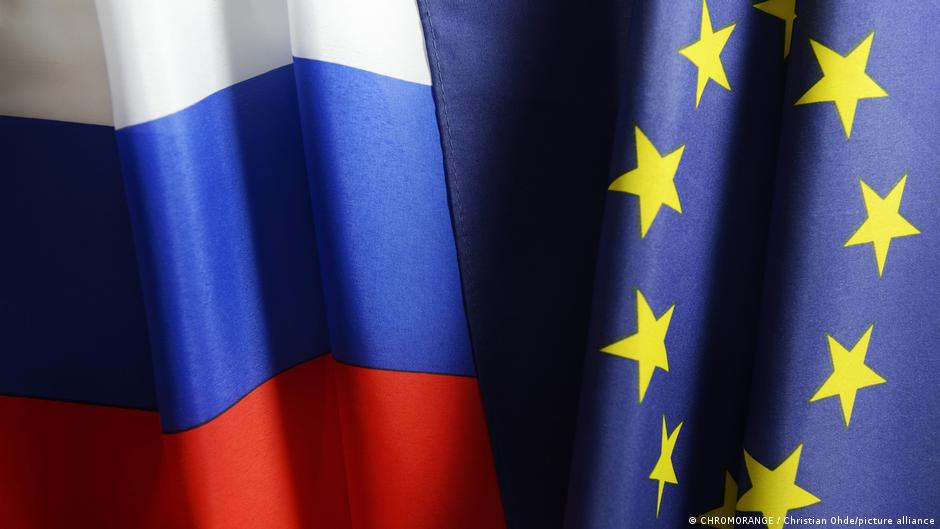
The European Union has decided not to appoint a representative for potential negotiations to end the war in Ukraine at this time. EU officials stressed the importance of first defining a clear strategy and determining the precise topics for dialogue with Russia before initiating talks.
Strategic Deliberation Over Negotiation Representation
According to high-ranking EU sources, currently, appointing a specific negotiator is viewed as premature by key EU figures, including the High Representative for Foreign Affairs and Security Policy, Josep Borrell, and leading member states such as Germany.
“We need to first agree on exactly what we want to discuss with Russia,” one EU official explained.
The hesitation reflects a broader EU strategy to maintain pressure on Russia through sanctions as a leverage tool to bring Russian President Vladimir Putin to the negotiating table.
On May 28, the European Commission and the European External Action Service (EEAS) are set to present a draft 21st sanctions package targeting Russia, focusing on the financial sector and Russian defense industry suppliers. This move underscores the EU's preference for a sanctions-based approach rather than immediate diplomatic engagement.
Implications for the Innovation and Venture Ecosystem
This geopolitical stance has substantial downstream effects on the tech startup and venture capital ecosystem across Europe. Sanctions and diplomatic tensions create an environment of uncertainty impacting cross-border investments, particularly in sectors related to defense, cybersecurity, and dual-use technologies.
Startups developing innovative technologies may find navigating export controls and compliance increasingly complex, influencing investment decisions and partnership strategies. Furthermore, with leading EU states prioritizing sanction enforcement, venture capital funds may recalibrate risk assessments, potentially slowing down funding rounds for startups with exposure to Russian-linked markets or supply chains.
However, this also presents opportunities for increased innovation within the EU, as startups and investors seek to build resilient, locally-sourced technology ecosystems less dependent on Russian inputs. The EU’s commitment to a strong sanctions regime could accelerate funding into alternative technologies and supply chain diversification, fostering a more robust innovation landscape.
Political Figures and the Negotiator Debate
Discussions within the EU had considered notable candidates for the negotiator role, including former European Central Bank President Mario Draghi, former German Chancellor Angela Merkel, and Finnish President Sauli Niinistö. Russian President Vladimir Putin expressed a preference for former German Chancellor Gerhard Schröder, a figure closely associated with Russia, but the EU and German government dismissed this option emphatically.
German Chancellor Friedrich Merz asserted, “We Europeans decide who speaks on our behalf. No one else.” This stance signals EU unity in controlling the negotiation narrative and maintaining strategic autonomy in diplomatic processes.
As the EU continues to calibrate its approach, the interplay between geopolitical decisions and the tech innovation ecosystem remains a critical area to watch, particularly for venture capitalists and startups navigating this shifting landscape.