Germany Considers Steinmeier as EU Representative for Peace Talks with Russia Amid Ukraine Conflict
Berlin evaluates a Steinmeier-Schröder mediation duo to represent the EU in peace negotiations with Russia, impacting European political and economic stability.
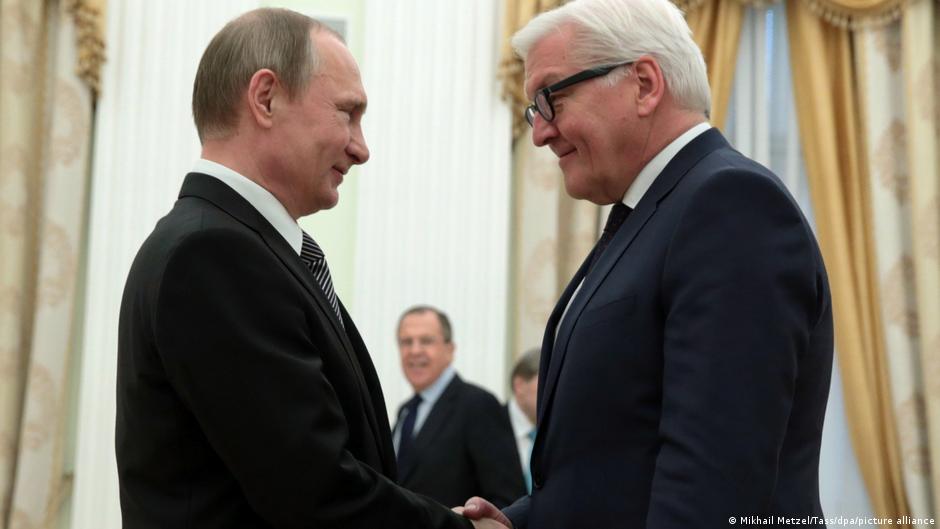
The German government is exploring the possibility of President Frank-Walter Steinmeier representing the European Union in peace negotiations with Russia aimed at ending the war in Ukraine, according to reports from German media outlets. The idea involves a mediation duo comprising Steinmeier and former Chancellor Gerhard Schröder, which Berlin sees as an "interesting option" to facilitate dialogue between the conflicting parties.
Implications for European Stability and Innovation Ecosystem
While the proposal is political in nature, its implications for the European tech startup ecosystem and venture capital markets are significant. The ongoing conflict in Ukraine has unsettled investment climates across Europe, disrupting supply chains and slowing innovation growth in sectors reliant on regional stability. A potential peace negotiation, particularly one with EU representation, could signal a turning point that reassures investors and startups alike, fostering renewed confidence in cross-border collaborations and funding flows.
However, skepticism remains within the German ruling coalition about Russia's trustworthiness in these talks. The government reportedly doubts the Kremlin's willingness to compromise, citing recent statements from Russian officials and the lack of active negotiations with Ukraine. The Kremlin’s recent calls for a mediator who does not criticize Russia add a layer of complexity to the peace process, affecting the diplomatic landscape in which startups and investors operate.
“The German government does not consider Putin’s proposal trustworthy, as Russia has not shown readiness for compromises,” sources told Der Spiegel.
Former Chancellor Schröder, known for his longstanding personal ties with President Vladimir Putin, was suggested by the Russian leader as a preferred EU candidate for the mediation role. Nevertheless, Berlin is reluctant to endorse Schröder acting alone due to concerns about his impartiality and effectiveness. Instead, the combination of Steinmeier’s presidency and Schröder’s connections might form a balanced team to handle the delicate negotiations.
This political development could have a ripple effect on mergers and acquisitions within the technology sector. As geopolitical tensions ease, venture capitalists may become more willing to invest in startups with cross-border ambitions, particularly those leveraging Eastern European talent and markets. Moreover, a peaceful resolution could restore disrupted supply chains, enabling startups dependent on hardware components and international partnerships to accelerate product development and market entry.
For now, official peace talks between Russia and Ukraine are stalled, with Russia’s Foreign Minister Sergey Lavrov confirming no negotiations are underway as of mid-April. The German government suggests that Russia’s willingness to extend a temporary ceasefire would be a meaningful gesture toward genuine peace efforts. Until such signals are clear, the EU and its members remain cautious about engaging in formal mediation roles.