Paxtakor Football Club Reports $4.5 Million Loss in 2025 Amid Financial Restructuring
Tashkent’s prominent football club posted a significant financial loss and increasing tax debt, highlighting challenges for sports-related ventures in Uzbekistan.
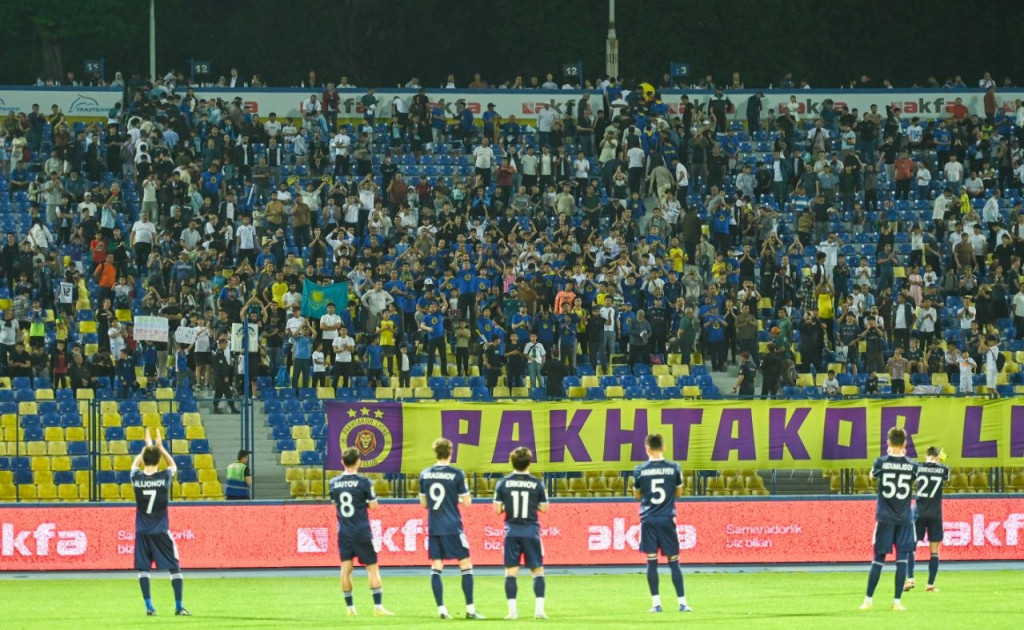
Paxtakor Football Club, a multiple-time champion and a leading sports organization in Tashkent, Uzbekistan, reported a net loss exceeding 50 billion Uzbek soums (approximately $4.5 million) for the year 2025. This financial downturn poses notable concerns for the club's operational sustainability and has broader implications for sports-related business ventures and investment in the region.
Financial Overview and Implications for Sports Ventures
According to the club's 2025 financial statements, the revenue totaled around 15.3 billion soums from primary operations, with other income sources contributing an additional 63.6 billion soums. Despite this, the club’s expenses soared to approximately 128.9 billion soums, culminating in an annual net loss of 50.8 billion soums.
In contrast, 2024 was a profitable year for Paxtakor, with a net gain of 36.9 billion soums—the first profit reported in many years. The steep reversal in 2025 underscores volatility in the club’s financial management and revenue models.
“The 2025 financial results highlight the urgent need for sustainable revenue generation models for sports clubs transitioning from state dependence to market-driven economies.”
Tax obligations further complicate the club’s financial health. Paxtakor paid close to 11 billion soums in taxes during 2025 but currently faces a tax debt of 17.1 billion soums. This growing tax liability is a critical risk factor for potential investors and venture capitalists looking at the sports sector in Uzbekistan.
Paxtakor finished the 2025 Uzbekistan Super League season in second place with 60 points, following their championship win in 2023. Performance on the field remains strong despite financial setbacks, which indicates operational challenges rather than a decline in competitive stature.
Ownership Structure and Privatization Challenges
Currently, Paxtakor is fully owned by the Tashkent city administration, with Jahongir Ortiqxo‘jayev, a former city mayor and entrepreneur, serving as club chairman. Earlier in 2024, the State Assets Management Agency announced plans to privatize the club. However, no formal agreements or concrete progress have been disclosed since that announcement.
Ortiqxo‘jayev has expressed interest in developing Paxtakor further but has explicitly stated unwillingness to pay even nominal sums for the club and its stadium as part of the privatization process. This stance presents an unusual dynamic for potential venture capital involvement, where clear ownership and valuation are essential.
Starting in 2026, Uzbekistan’s Super League participants are expected to receive state funding of 35 billion soums annually, decreasing incrementally to 25 billion soums by 2028. This policy aims to gradually reduce government subsidies and incentivize clubs to establish independent revenue streams.
For venture capitalists and startups focusing on sports tech, merchandising, and fan engagement platforms, this shift represents both a challenge and an opportunity. Reduced state support forces clubs to innovate in monetizing their brands, potentially opening avenues for digital transformation, sponsorship deals, and community-driven funding models.
Outlook for Sports Innovation and Investment
Paxtakor’s financial difficulties and the transition toward privatization reflect broader trends in Uzbekistan’s sports ecosystem. As clubs adapt to declining public funding, there will be increased demand for specialized startups offering solutions in areas such as ticketing technology, digital marketing, sports analytics, and athlete management.
However, uncertainties around ownership and lingering tax debts could deter institutional investors until clearer governance structures are established. The case of Paxtakor underscores the importance of transparent financial practices and strategic partnerships in attracting venture capital for sports-related enterprises.
In summary, while challenges persist, the Uzbek government’s phased reduction of subsidies may catalyze innovation within football clubs like Paxtakor, encouraging them to seek sustainable business models and new investment opportunities in the evolving sports market.