Poland Signs Controversial EU Defense Loan Agreement Worth Nearly €44 Billion
Poland secures a major EU loan under the Security Action for Europe program, boosting domestic defense industry and innovation despite presidential opposition.
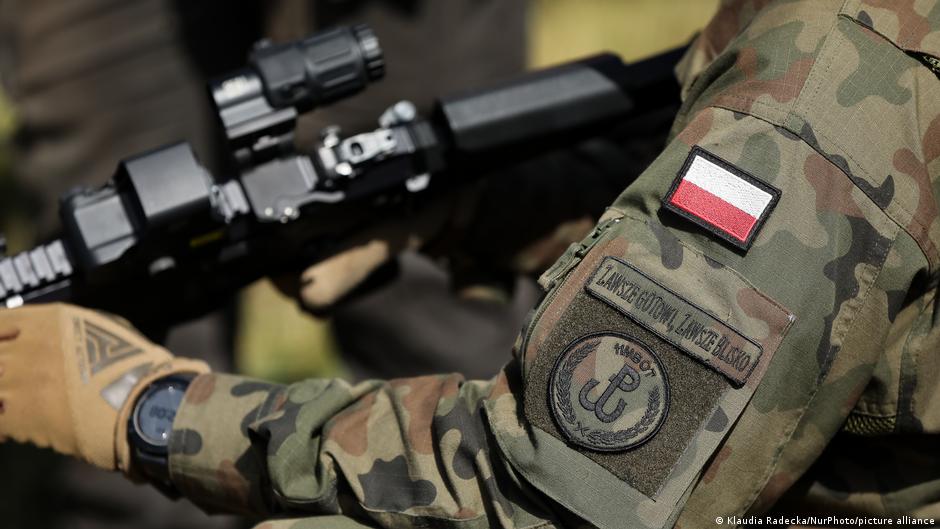
Poland has become the first European Union member state to sign a significant loan agreement under the EU-wide Security Action for Europe (SAFE) initiative, securing nearly €44 billion to modernize its defense capabilities. The deal marks a pivotal moment in Poland’s efforts to strengthen its defense industry and related sectors, despite earlier resistance from the Polish president, Karol Nawrocki.
Large-Scale EU Loan Aimed at Defense Modernization
The agreement, ratified by Poland's Minister of Defense Vladislav Kosiniak-Kamysz, Minister of Finance Andrzej Domański, officials from the National Economy Bank, and EU commissioners for defense and budget, will provide Warsaw with a €43.7 billion loan. This amount represents almost one-third of the total €150 billion SAFE budget, which is designed to fund defense upgrades across all EU member states.
Polish Prime Minister Donald Tusk emphasized the scale and impact of the arrangement: "89% of the borrowed funds will be directed to Polish defense companies and their partners. No other country participating in the program is investing such substantial sums into their industrial base." Kosiniak-Kamysz added that the funds would facilitate modernization across all branches of the armed forces and support cybersecurity initiatives.
"No other country in the program will invest such large sums into its defense industry." - Donald Tusk, Polish Prime Minister
The first tranche of €6.5 billion is expected to be disbursed within days, with up to 40 contracts anticipated to be signed by the end of May under SAFE. Government representative Magdalena Sobkowiak-Charnecka noted that defense companies must establish production capabilities by 2030 to effectively utilize the funds.
Financial disbursements under the SAFE program will be split into biannual installments in October and April. Subsequent payments will be contingent upon Poland submitting detailed progress reports to the European Commission. Importantly, Poland will have a grace period of ten years post-agreement signing before it must begin repaying the principal loan amount.
Political and Industry Implications for Poland’s Startup and Innovation Ecosystem
The loan agreement comes after President Karol Nawrocki vetoed Poland's participation in SAFE in March, citing concerns over the loan's long-term financial burden. The president warned that the external debt could accumulate interest costs up to approximately €41 billion over 45 years. However, the Polish government clarified that the veto only restricts the use of funds exclusively to military structures.
Following the signing, the government intends to leverage the SAFE funds not just for the military but also for border security, firefighting services, and police forces, potentially stimulating broader innovation and technology development within the country's security sector.
For Polish tech startups and venture capital investors, this massive injection of capital into defense and security sectors represents a significant opportunity. The focus on modern equipment and cybersecurity could catalyze growth in defense-related technologies, software development, and advanced manufacturing startups. Additionally, the requirement for domestic production by 2030 encourages partnerships between startups and established defense firms, fostering a more robust innovation ecosystem.
Moreover, the long-term financial commitment and rigorous reporting mechanisms may drive transparency and efficiency in project execution, setting standards beneficial for emerging companies in defense tech. Venture capital firms may find new prospects in funding early-stage companies that can address cutting-edge defense needs, including cybersecurity, AI-driven surveillance, and unmanned systems.
Overall, Poland's engagement with the EU's SAFE program positions it as a key player in European defense modernization efforts, with substantial ramifications for its technology startups and the broader innovation landscape.