Rising Meat Imports in Uzbekistan Signal Challenges and Opportunities for Agri-Tech Startups
Uzbekistan's growing reliance on expensive meat imports highlights innovation needs in local production and supply chains.
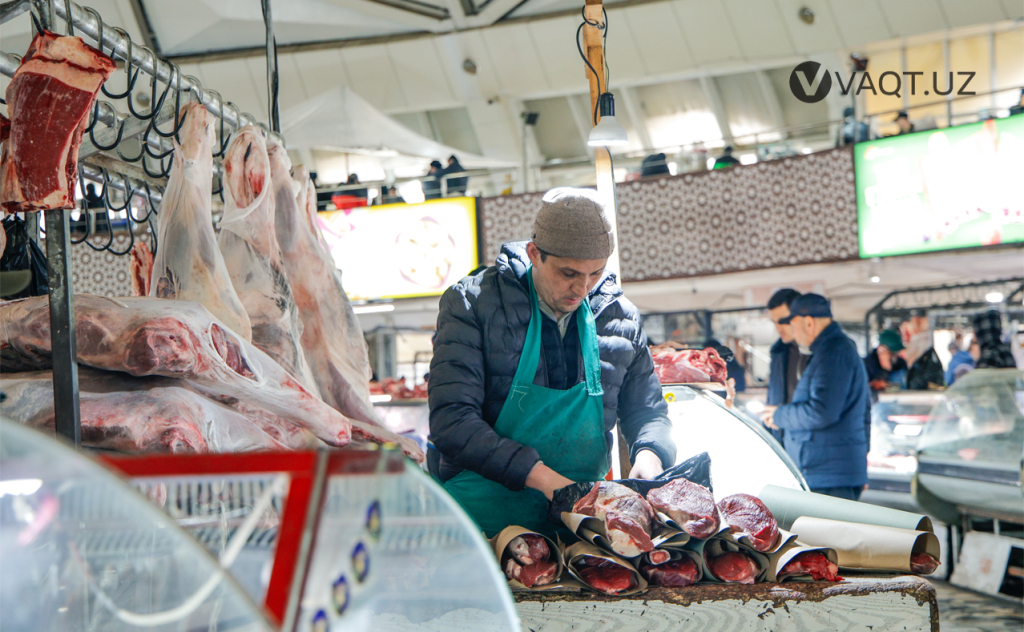
Uzbekistan has seen a significant increase in meat imports in early 2026, with foreign meat purchases rising by 62.8% compared to the same period in 2025. A total of $320.6 million worth of meat products were imported during January to April 2026, driven by a slowdown in domestic production and rising global prices.
Impact on the Local Meat Industry and Supply Chain Innovation
The imported meat volume reached 98,000 tons, a 36.6% increase over last year. Beef accounted for the largest share at nearly 50,000 tons, followed by chicken at approximately 22,700 tons. Import prices have also surged: beef prices increased from $4.07 to $4.80 per kilogram, while mutton prices jumped dramatically from $1.03 to $2.87 per kilogram over the same period.
Despite producing 580,200 tons of meat in the first quarter of 2026, with a modest 2.9% growth, Uzbekistan’s domestic output is insufficient to meet rising demand. The slowdown is partly attributed to increased feed costs for livestock, negatively impacting smallholder and private farm production.
These trends indicate a growing dependency on imports, which poses challenges but also opens avenues for innovation in the agriculture and food technology sectors. Agri-tech startups can explore technologies such as precision farming, livestock nutrition optimization, and supply chain digitization to boost domestic meat production efficiency.
"Uzbekistan's increasing meat import costs could spur innovation in domestic production technologies and supply chain management," said an industry analyst.
Additionally, rising meat prices in local markets—up to 259,000 Uzbek soms per kilogram in supermarkets—are pressuring consumers and highlighting the urgency for scalable solutions. Innovations in cold chain logistics, alternative protein sources, and sustainable farming practices could mitigate these challenges.
For venture capital, these dynamics present opportunities to invest in startups that modernize Uzbekistan's agribusiness and reduce import dependence through technology-driven solutions. Mergers and acquisitions in the sector may also accelerate as established players seek to incorporate innovative technologies to stay competitive.
Overall, the combination of slowed domestic meat growth, rising import prices, and increased consumer costs is reshaping Uzbekistan’s food ecosystem. This creates fertile ground for startups and investors focused on agriculture innovation to drive transformation within the country’s meat industry.