Russian Advisor Predicts Prolonged War Impacting National Economy and Defense Strategy
Advisor to Rosneft's CEO forecasts Russia may face war for decades, urging economic and defense system reforms amid ongoing drone attacks in Saint Petersburg.
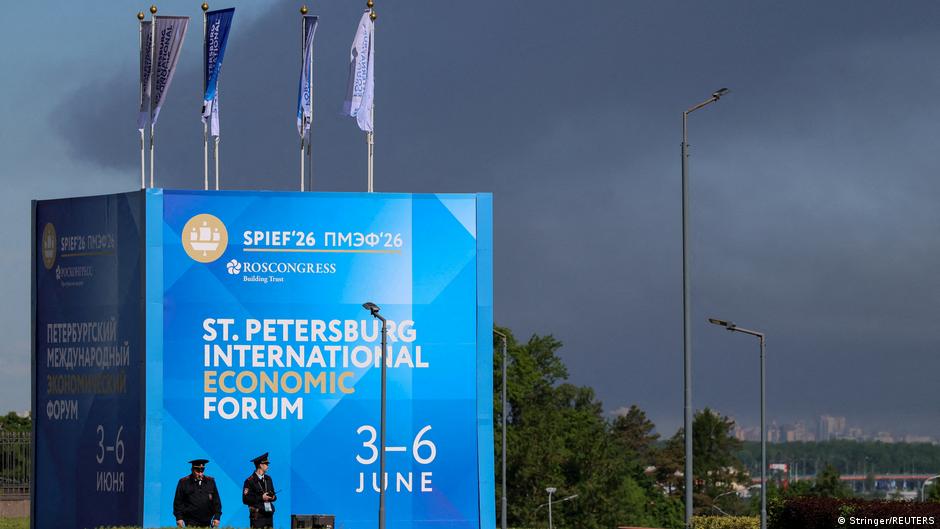
Russia may endure a state of war for the next several years, potentially spanning a couple of decades, according to Andrey Bezrukov, political scientist and advisor to Rosneft CEO Igor Sechin. Speaking at the St. Petersburg International Economic Forum (SPIEF) on June 3, Bezrukov emphasized the long-term challenges the country faces and called for a restructuring of Russia’s economic and governmental systems to support both development and defense.
Long-Term Conflict and Its Implications for Russia’s Economy and Innovation
Bezrukov described the current conflict as potentially evolving into a "creeping war" that may extend into other regions. He highlighted the emergence of two generations effectively living under wartime conditions, which necessitates adjusting national strategies accordingly.
"We need to build a state system and economy that not only fulfills development goals but also addresses defense requirements," Bezrukov stated.
The advisor’s comments suggest that Russia’s innovation ecosystem and economic planning will be heavily influenced by ongoing security concerns. For venture capital and tech startups, this implies a more cautious environment shaped by geopolitical instability and a government focus on defense-oriented technologies.
Bezrukov also alluded to the threat of "biological warfare," warning that technologies capable of creating devastating viruses have been developed. This narrative aligns with longstanding Russian propaganda themes regarding alleged biolaboratories abroad, despite expert consensus dismissing such claims as implausible.
Recent Security Incidents Highlight Persistent Threats
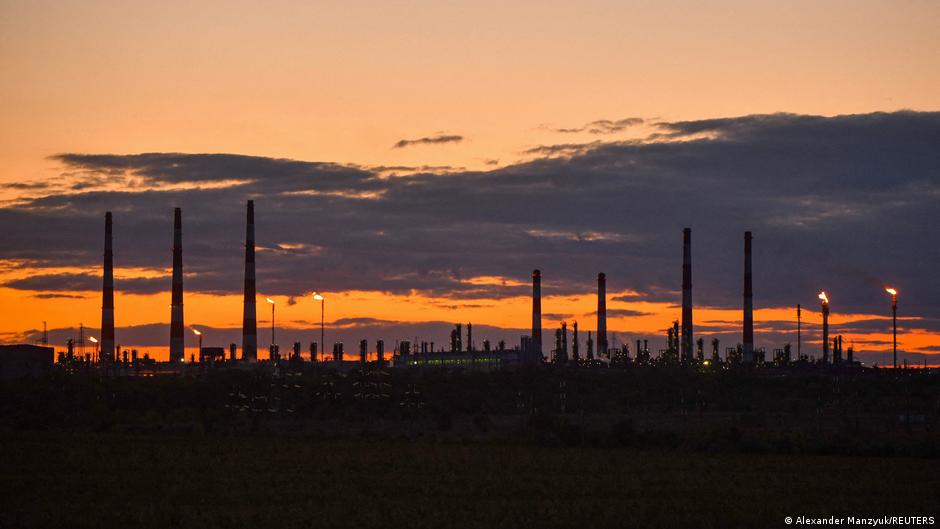
On the same day as Bezrukov's speech, Saint Petersburg and the Leningrad region were targeted by dozens of drone attacks, resulting in explosions and fires, including at one of the major oil terminals in northwest Russia. These incidents caused injuries, infrastructure damage, and disruptions to mobile internet and air travel at Pulkovo Airport, underscoring the tangible security challenges facing the region.
Such attacks and the projected prolonged conflict underscore a shift in Russia’s internal priorities. For venture capitalists and startups, the landscape may become increasingly complex, with greater government control and redirected investment flows towards defense and security technologies.
Andrey Bezrukov himself has a background intertwined with intelligence services, having served as a Soviet and Russian spy before his advisory role at Rosneft. His insights reflect a convergence of political, military, and economic considerations that will shape Russia’s innovation ecosystem moving forward.
In this context, tech startups operating in Russia may face heightened risks but also potential state-driven opportunities in defense technology and related sectors. The broader venture capital environment will likely need to adapt to these evolving geopolitical realities, balancing innovation ambitions with enduring security constraints.