Trump Signs Graham Sanctions Bill, Raising Stakes for Energy-Linked Startups
The new U.S. law gives Trump broad authority to target Russian energy buyers, banks and shadow fleet networks, with spillovers for tech markets.
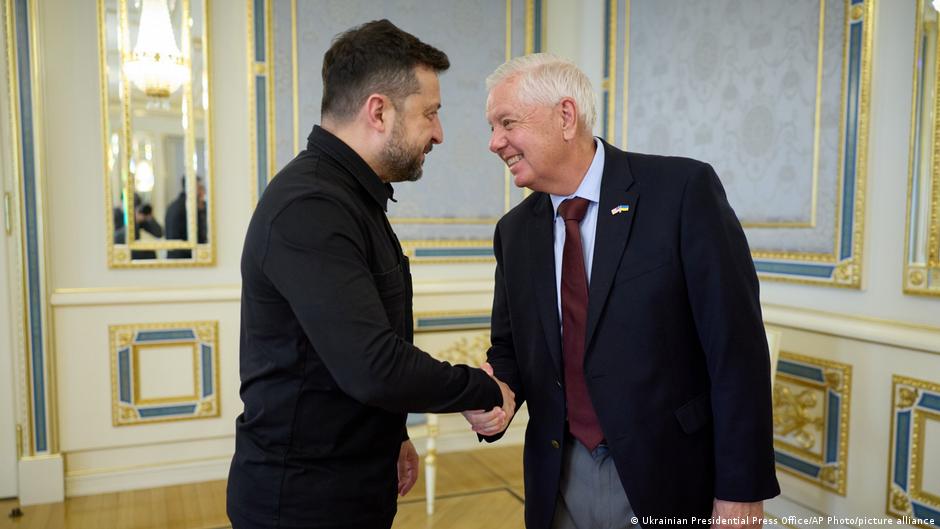
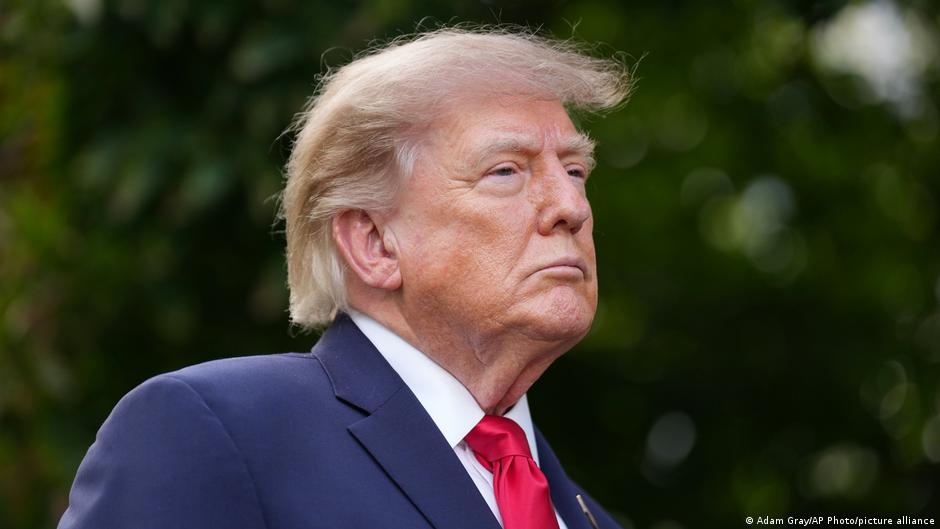
U.S. President Donald Trump on Friday, September 18, signed legislation tightening sanctions on Russia over its continuing war against Ukraine, enacting a long-lobbied package associated with the late Republican Senator Lindsey Graham. The measure, known publicly as the Graham bill and described by supporters as a vehicle for “hellish sanctions,” gives the White House wide discretion over whether and how to impose new penalties tied to Russian energy flows.
For venture capital investors and technology startups, the law introduces a new layer of geopolitical and compliance risk across energy, fintech, logistics, maritime intelligence, insurance technology and cross-border trade platforms. While the bill is aimed at Moscow’s oil and gas revenues, its practical reach extends into the infrastructure that finances, ships, tracks and services global commodity transactions.
The legislation allows the U.S. president to impose 100 percent tariffs on the five largest buyers of Russian oil and gas, as well as on five countries deemed to be helping Russia evade energy sanctions. It also includes exceptions for countries that receive less than 15 percent of their natural gas consumption from Russia and are taking steps to reduce those imports.
The bill further provides for sanctions against Russian officials, banks, businesspeople and the so-called shadow fleet. It also extends U.S. sanctions on Iran until 2031, adding another long-duration constraint for companies operating in payments, shipping, energy trading and compliance software.
Expanded Executive Power Meets Startup Risk Models
By the time Trump signed the legislation, the Graham bill had been substantially changed from its original form. The final version significantly expands the president’s authority by allowing Trump to decide whether to impose or remove the measures set out in the legislation. That differs from the usual practice in which such actions require coordination with the U.S. Congress.
This discretion matters for startups because it can compress policy risk into executive decision-making rather than slower legislative processes. Companies building in sanctions screening, commodity intelligence, maritime tracking, trade finance, enterprise risk management and supply-chain analytics may see greater customer demand, but also face a less predictable enforcement environment.
The bill may also be used by Trump to continue his trade war against China, according to the source text. That creates a potential second-order effect for venture-backed companies exposed to U.S.-China supply chains, semiconductor procurement, hardware manufacturing, logistics software or payments infrastructure. Even when a startup has no direct Russia exposure, new tariff authority can affect customers, vendors and acquisition assumptions.
House Democratic minority leader Hakeem Jeffries criticized the scope of the authority, warning that broad tariff powers could carry domestic economic costs.
“Life in the United States is too expensive. Why should Congress or the House of Representatives give the president unlimited authority to impose new tariffs around the world that will have negative economic consequences for the American people? I cannot do that,” Jeffries said.
From 500 Percent Tariffs to a 100 Percent Energy Trigger
The bill, HR 5334, was introduced in April 2025 by Graham together with Democratic Senator Richard Blumenthal. Media outlets and the public came to refer to it as the Lindsey Graham law because Graham was one of its authors and because Trump preferred to discuss the initiative with his fellow Republican. Over time, Graham’s name became closely associated with the sanctions package.
In its original form, the proposal called for tariffs of up to 500 percent on Russian products while Russia continued its war against Ukraine and refused peace talks. The president would have been required to periodically determine whether Moscow was ready for dialogue and, if it was not, to impose sanctions. Because of the 500 percent threshold, the measures became known as “hellish.”
The early version also targeted products from countries that bought Russian oil. The tariff level for importers of Russian oil was later reduced in the text to 100 percent. Even at that lower level, the measure could reshape market behavior if enforced, particularly in sectors where procurement, insurance, banking and freight routes touch countries exposed to Russian energy purchases.
For innovation ecosystems, the measure could accelerate demand for sanctions technology. Startups selling know-your-customer tools, bank compliance platforms, beneficial ownership mapping, vessel tracking, satellite analytics and customs classification software may find larger addressable markets as companies seek to avoid secondary exposure. At the same time, venture investors may scrutinize portfolio companies for indirect links to sanctioned banks, energy buyers or maritime entities.
Trump’s position on the Graham-Blumenthal initiative shifted during the debate. At different points, he supported the introduction of such measures and opposed their adoption. Lobbying around the bill continued for about a year and a half. Graham did not live to see the legislation enacted; the senator died on July 11, 2026.
Ukraine Welcomes the Signal From Washington
Ukrainian President Volodymyr Zelensky thanked Trump for signing the Graham sanctions law and emphasized the importance of increasing pressure on Moscow to end the war.
“I thank President Trump for signing this extremely important law. I thank all senators and members of the House of Representatives who supported it,” Zelensky wrote on Telegram.
Zelensky also recalled Graham’s belief that the United States had enough strength to confront dictators and achieve results if it acted “correctly.” Supporters of the legislation argue that it sends an important signal of U.S. support for Ukraine at a time when the intensity of fighting is increasing.
For venture capital, the signal is broader than foreign policy. The law reinforces the degree to which national security, energy markets and startup operating risk have become intertwined. In the near term, founders and investors may need to update diligence checklists around payments, suppliers, export controls, shipping exposure and customer concentration. In the longer term, the bill could strengthen the market for compliance automation and geopolitical risk products, while complicating M&A involving companies with exposure to Russia-linked finance, energy or trade routes.