U.S. Caribbean Drug-Boat Strikes Add Risk Signal for Startups and Investors
A reported U.S. strike that killed four people underscores how security policy in the Caribbean can affect venture-backed logistics, fintech and compliance startups.
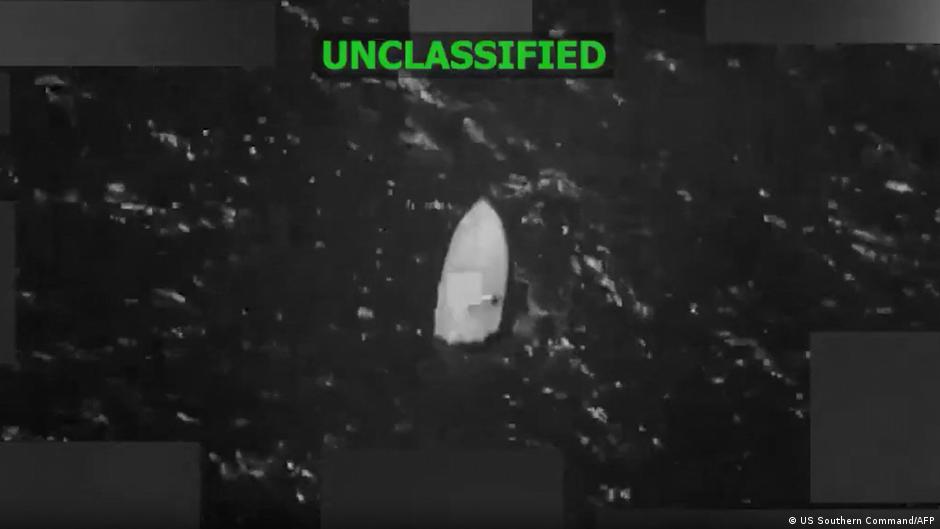
U.S. military forces reported a new strike on a vessel in the Caribbean Sea that they said was carrying drugs, killing four people, according to U.S. Southern Command. The command said on Saturday, September 19, that it had carried out a “lethal strike” against a speedboat traveling along routes used for illegal drug transport in the Caribbean.
The military said credible intelligence confirmed the vessel’s involvement in drug trafficking and added that four “narcoterrorists” were killed during the operation. A video published on X showed a moving vessel that then disappeared in a bright flash. The United States did not present evidence proving the vessel’s involvement in drug trafficking.
“Credible intelligence confirmed the involvement of this vessel in drug trafficking,” the U.S. military said, according to the source account.
For venture-backed companies and investors, the episode is not simply a regional security story. It is another sign that the Caribbean, long important to maritime trade, financial flows and cross-border logistics, is becoming a more complex operating environment for startups building in supply chain technology, fintech compliance, insurance analytics, satellite monitoring and defense-adjacent data services.
Security Policy Becomes a Startup Risk Factor
The Associated Press, cited in the source account, noted that with this case the total number of people killed in U.S. military strikes on vessels alleged to be linked to drug trafficking in the Caribbean has reached at least 231. According to the agency’s count, 69 similar strikes have been carried out as part of a campaign that has been under way for more than a year.
Those figures matter for the innovation economy because they point to a durable policy environment rather than an isolated operation. Startups serving shipping operators, port authorities, insurers or trade finance providers increasingly have to account for geopolitical exposure alongside ordinary commercial risk. In practice, that can shape customer demand for vessel-tracking tools, sanctions and anti-money-laundering screening, risk scoring, autonomous monitoring and evidence management systems.
At the same time, heightened enforcement can create uncomfortable boundaries for founders and venture investors. Technologies built for maritime domain awareness, satellite imagery analysis, data fusion or route anomaly detection may be marketed for compliance and safety, but they can also sit close to military or law-enforcement use cases. That proximity can complicate due diligence, governance and exit planning, especially for investors with environmental, social and governance mandates or limited partners sensitive to human-rights risk.
The legal controversy surrounding the campaign increases that complexity. On October 31, 2025, Volker Türk, the United Nations High Commissioner for Human Rights, said U.S. attacks on vessels “allegedly connected to drug trafficking” violated international law. He called for immediate, independent and transparent investigations into the attacks.
That criticism is significant for companies that might supply data, software or analytics to government agencies involved in interdiction operations. Even where a startup is several steps removed from the strike decision itself, association with disputed enforcement activity can affect procurement cycles, reputational risk, investor appetite and potential acquisition reviews. Strategic buyers in aerospace, defense, intelligence, insurance and enterprise compliance typically scrutinize not only a company’s technology, but also how and where it has been deployed.
Implications for VC, M&A and Compliance Markets
The Caribbean campaign also arrives at a time when venture capital has become more selective about regulatory exposure. Investors may see opportunity in companies that help banks, logistics firms and public agencies detect illicit networks. But they are also likely to demand clearer audit trails, stronger customer controls and more explicit policies on acceptable use, particularly if products can be used in operations that result in loss of life.
For fintech startups, the story reinforces the importance of anti-money-laundering infrastructure tied to narcotics trafficking and cross-border financial activity. For logistics and maritime startups, it highlights demand for better visibility into vessel movements and route risks. For insurance technology firms, it may influence models that price political, operational and maritime risk in regions affected by military enforcement activity.
M&A could also be shaped by the same pressures. Larger defense technology and compliance platforms may view specialized maritime intelligence startups as attractive targets if government and commercial customers increase spending on monitoring and interdiction-related systems. Conversely, acquirers may discount companies whose contracts, data sources or deployment history expose them to legal or reputational uncertainty.
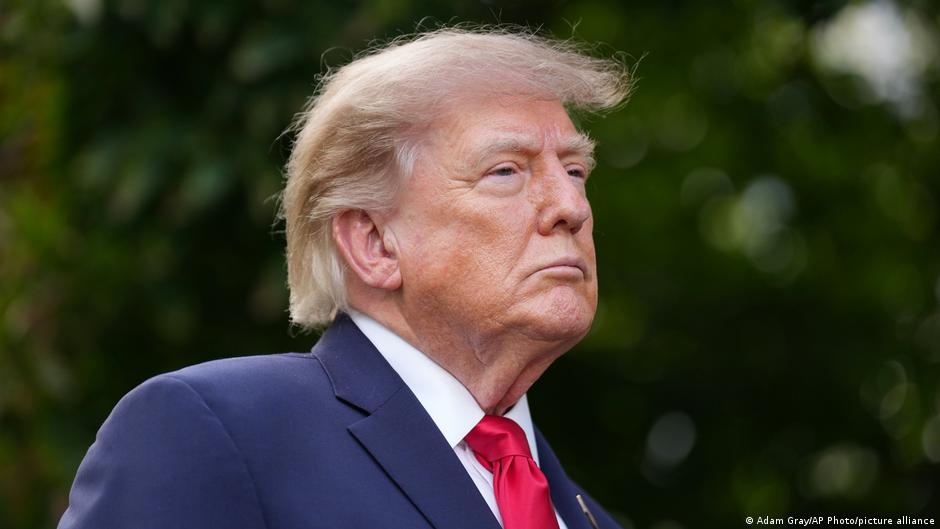
The political backdrop remains unusually direct. On October 23, 2025, at a White House press conference, U.S. President Donald Trump said U.S. forces would “kill people” bringing drugs into the country from Venezuela. That statement, combined with the reported number of strikes and deaths, suggests an enforcement posture that startups and investors cannot treat as short-term noise.
For the venture ecosystem, the central question is not whether drug interdiction will continue to generate demand for technology. It likely will. The harder question is how startups can build for legitimate compliance, security and maritime transparency without becoming entangled in opaque or contested uses of force. In a market where government budgets can accelerate growth but also narrow a company’s strategic options, governance may become as important as product capability.