US Military Strikes Iran for 11th Consecutive Night Amid Rising Middle East Tensions
Continuous US attacks on Iranian military infrastructure escalate regional instability impacting global trade routes and security dynamics.
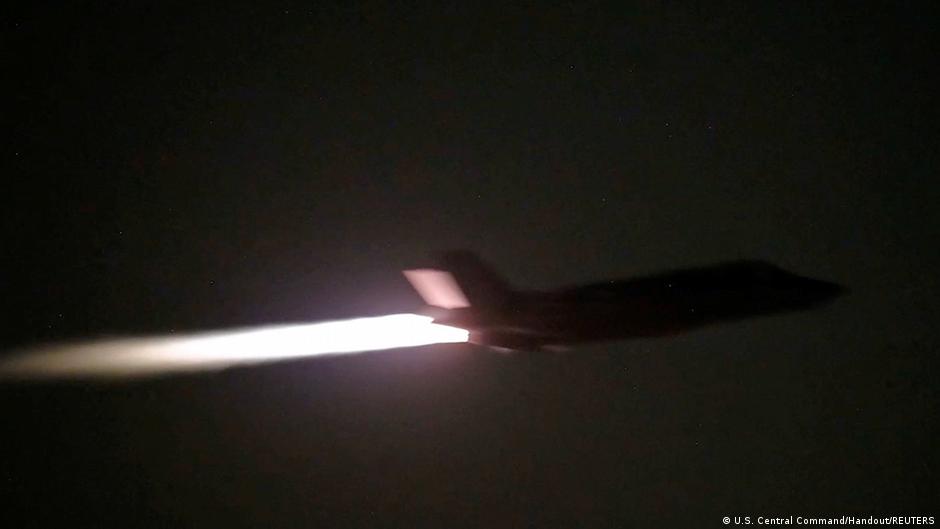
For the eleventh consecutive night, the United States military has launched a series of strikes against multiple targets in Iran, further intensifying tensions in the Middle East. According to the US Central Command (CENTCOM), the latest wave of attacks lasted approximately 75 minutes, focusing on Iranian military operational centers, naval forces, aviation hangars, drone storage facilities, and logistics infrastructure designed to undermine Iran’s capacity to threaten commercial shipping in the strategically vital Strait of Hormuz.
Strategic Implications for Regional Security and Global Commerce
The prolonged military campaign comes amid a backdrop of escalating hostilities marked by Iranian assaults on over 30 commercial vessels traversing the Strait of Hormuz in the past three months. CENTCOM emphasizes that despite Iran’s aggressive actions, the strait remains open for trade, with US forces facilitating the passage of approximately 900 commercial ships and the transit of some 450 million barrels of crude oil since early May.
“CENTCOM forces targeted critical Iranian military infrastructure to diminish Tehran’s ability to disrupt commercial navigation through one of the world’s most important maritime chokepoints.”
However, reports from the London Stock Exchange indicate fluctuating shipping activity, with only four vessels passing through the strait on July 19 and eight on July 18, suggesting potential disruptions or heightened risks impacting commercial traffic.
Regional Military Escalation and Impact on US Forces
On July 21, Iran intensified its retaliatory operations by targeting the Camp Arifjan military base in Kuwait, which hosts US forces, using rockets and drones. Kuwait's air defense systems reportedly intercepted some of these projectiles, highlighting the expanding geographic scope of the conflict. Simultaneously, the Iranian Revolutionary Guard Corps (IRGC) announced the "sixth wave" of its Nasr 2 military operation, claiming attacks on US military assets in Kuwait and Bahrain, though independent verification remains unavailable.
This escalation follows Iran’s declaration on July 18 that it nullified the framework ceasefire agreement with the US, previously aimed at brokering a lasting peace within 60 days. The resumption of hostilities signals a declining prospect for diplomatic resolution in the near term.
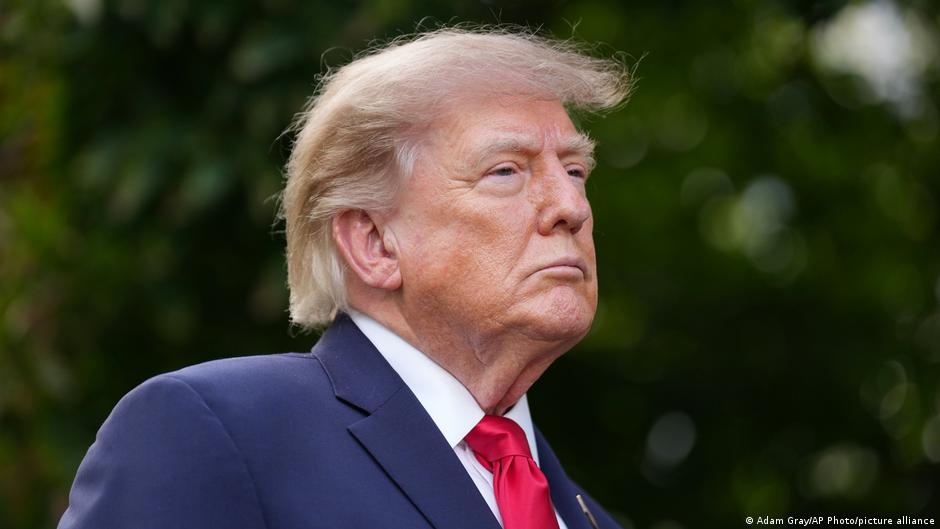
US President Donald Trump has issued stern warnings via social media, pledging "multiple" retaliatory strikes should any American military personnel be killed in further Iranian attacks. Since the renewed conflict began in late February, CENTCOM has confirmed the deaths of 17 US servicemembers, including three fatalities in the latest escalation, underscoring the human cost of ongoing hostilities.
Implications for the Tech and Venture Ecosystem
While the immediate effects of this military conflict are concentrated on geopolitical and security dimensions, there are indirect repercussions for the global technology and venture capital sectors. Heightened instability in the Middle East, a key supplier of energy resources, tends to increase oil prices and market volatility, which can influence startup funding environments and operational costs, particularly for energy-dependent tech enterprises.
Moreover, the conflict underscores the vulnerability of critical infrastructure and supply chains, potentially accelerating innovation in defense-related technologies, cybersecurity, and autonomous systems, including drones and surveillance platforms. Startups focusing on these areas may see increased venture interest as governments and private investors seek to bolster technological resilience and strategic capabilities.
In addition, disruption in key maritime trade routes could prompt startups and venture firms to explore alternative logistics solutions, including blockchain-based supply chain tracking or AI-driven risk assessment tools, fostering innovation driven by emerging global risk landscapes.
As tensions persist, the interplay between geopolitical conflicts and technology ecosystems is likely to deepen, shaping the priorities and investment patterns within the venture capital community.