Belarus to Block Spotify Over VAT Debt, Raising Market Access Risks
Belarus plans to block Spotify over an alleged VAT debt, highlighting market-access and compliance risks for global platforms and venture-backed startups.

Belarus plans to block Spotify over an alleged VAT debt, highlighting market-access and compliance risks for global platforms and venture-backed startups.

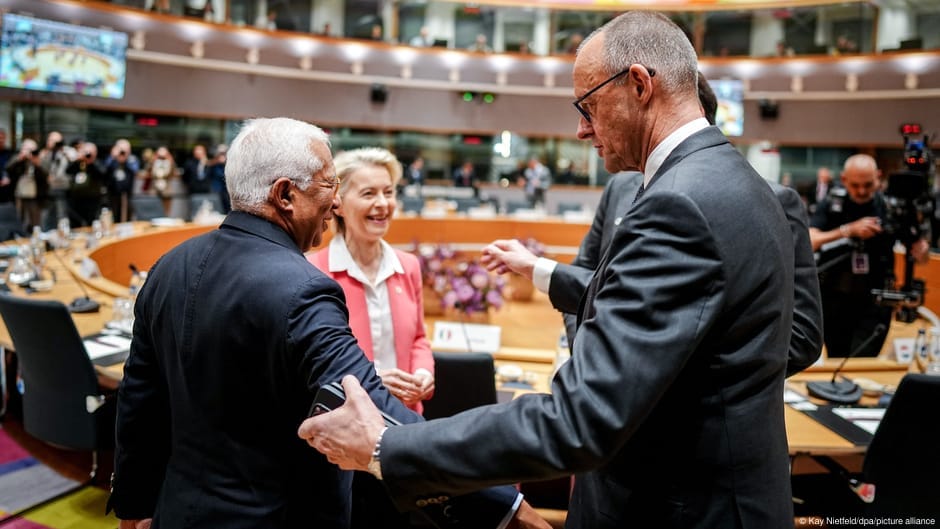
EU leaders ended budget talks early as divisions over spending and debt left Europe’s future innovation and startup funding environment unresolved.

Ukraine’s Benghazi operation adds geopolitical risk for startups and investors exposed to North African logistics, infrastructure and dual-use technology.

GTA VI’s $3.79 billion first-day revenue record raises the stakes for gaming startups, investors and publishers pursuing durable intellectual property.

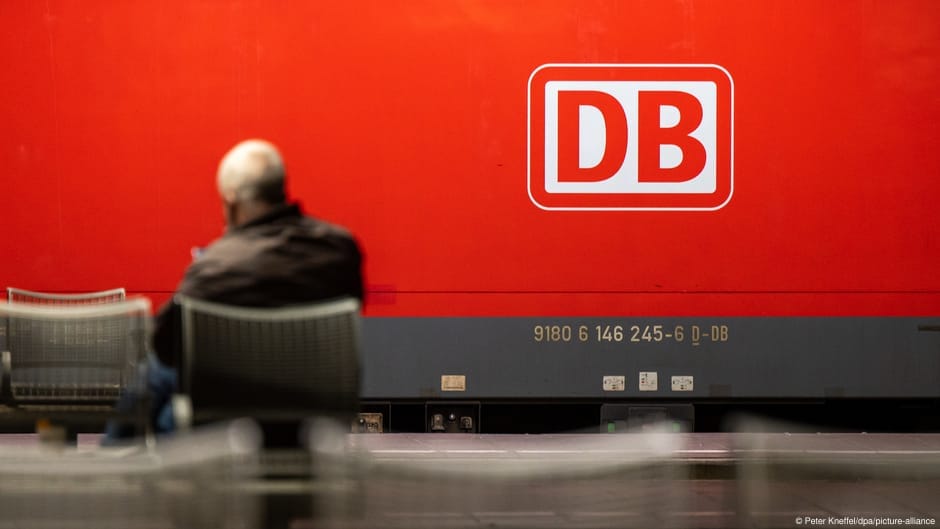
Reported flows through DB Cargo’s Russian subsidiary highlight sanctions, due-diligence and M&A risks for logistics technology investors.

Peña’s detention and the Ueno banking crisis expose startups and venture investors in Paraguay to payment disruption, regulatory uncertainty and higher country risk.

Khodorkovsky urged Europe to create exit routes for Russia’s elite, arguing that institutional de-escalation could support a less violent political transition.

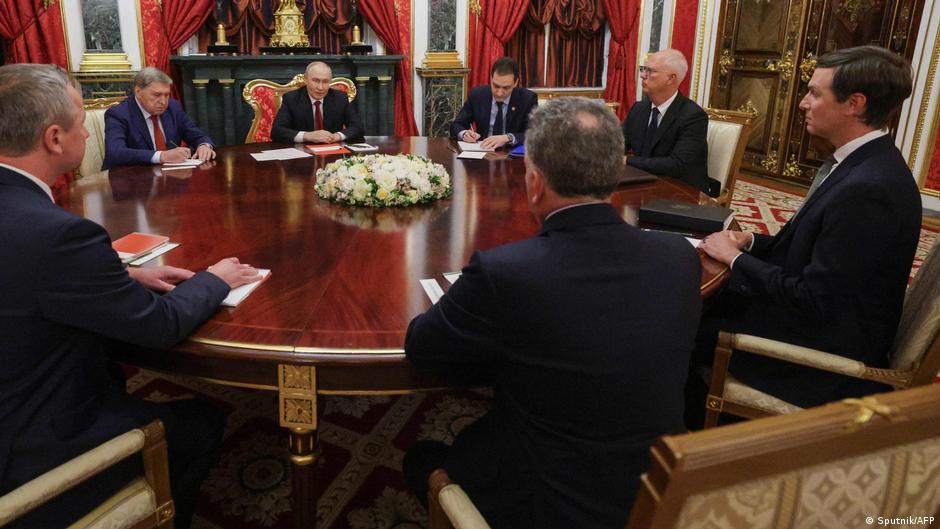
A US proposal to restart Russian gas transit through Ukraine could alter energy costs, VC risk models, M&A activity and Europe’s climate-tech investment outlook.

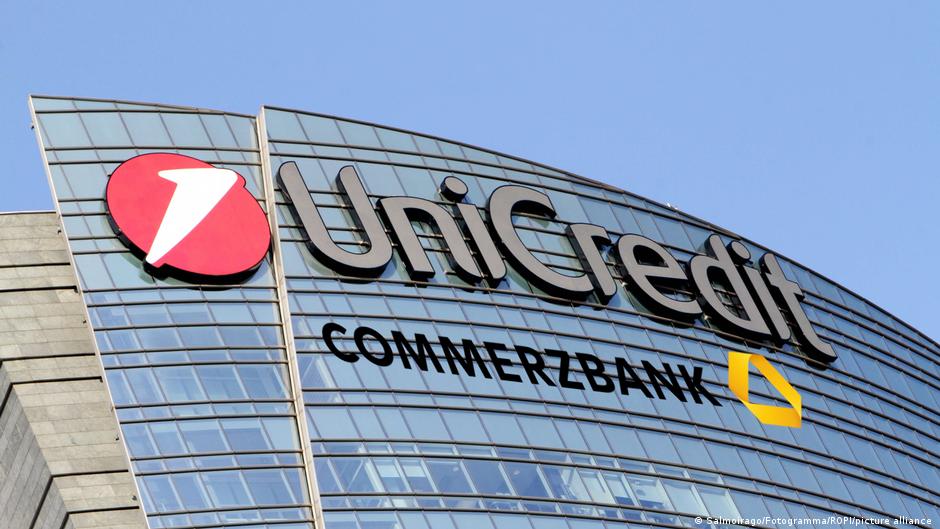
ECB approval gives UniCredit a path to control Commerzbank, raising questions about startup finance, SME banking and cross-border consolidation.

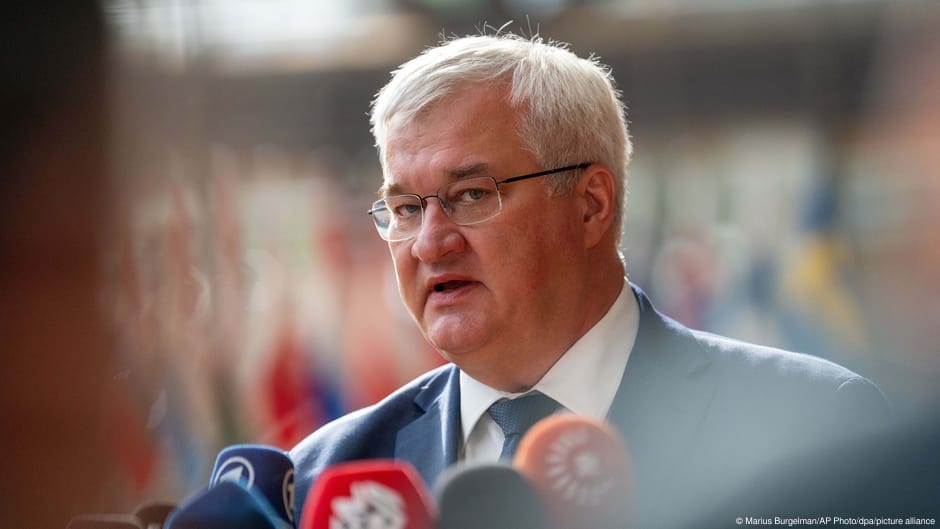
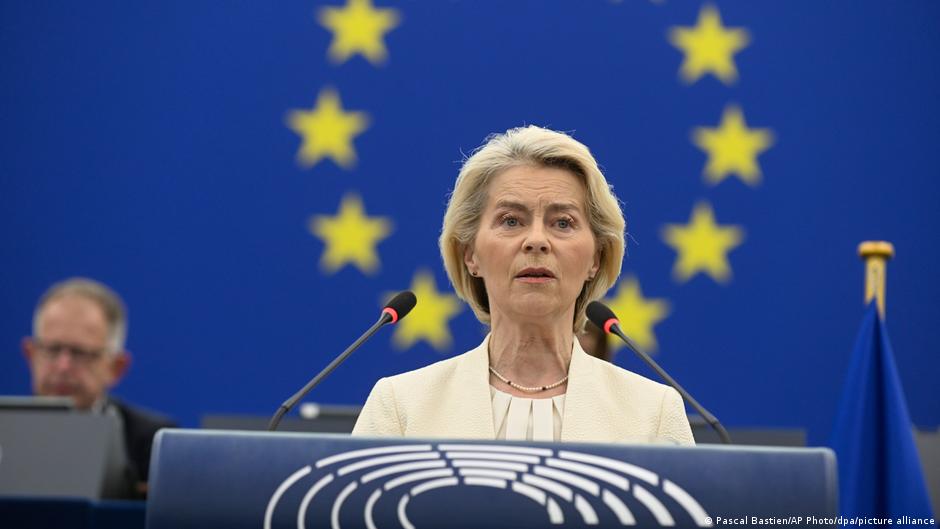
The EU plans new funding for Ukrainian drones and missiles as Brussels prepares to discuss Kyiv’s financing needs and accession talks.

Kyiv’s mayor urged some residents to leave temporarily as Russian strikes intensify, raising new risks for startups, investors and infrastructure resilience.

Yemen's new offensive near the Red Sea is adding geopolitical, logistics and energy risks for startups, VC funds and regional dealmaking.

Brazil’s presidential race heads to an October 25 runoff, extending uncertainty for startups, venture investors and financial markets.

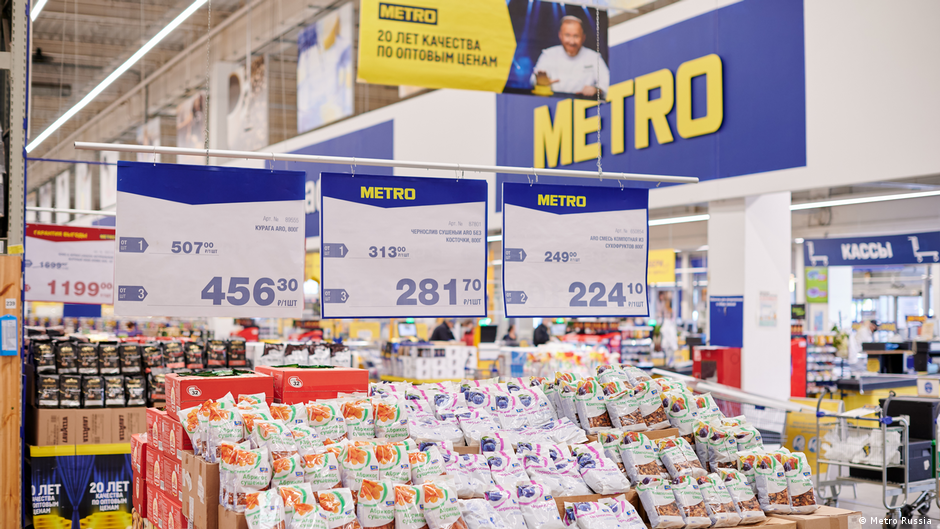
Foreign retailers in Russia face temporary asset management, raising new risks for startups, VC investors and retail-tech M&A.

Maria Kolesnikova urges the EU to use diplomacy and sanctions to free Belarusian political prisoners and keep society linked to Europe.

Raids in Germany and Austria over alleged vehicle exports to Russia point to rising sanctions compliance risks for mobility and trade-tech startups.

The EU’s €710 million aid package highlights how crisis response is shaping startup markets, investor risk and tech demand.

Russian strikes on Kyiv killed two and injured six, damaging civilian sites and highlighting operational risks for Ukraine’s startup ecosystem.

US-Iran talks at the UN may reshape risk assumptions for startups, VC firms and tech acquirers exposed to sanctions, energy and shipping volatility.

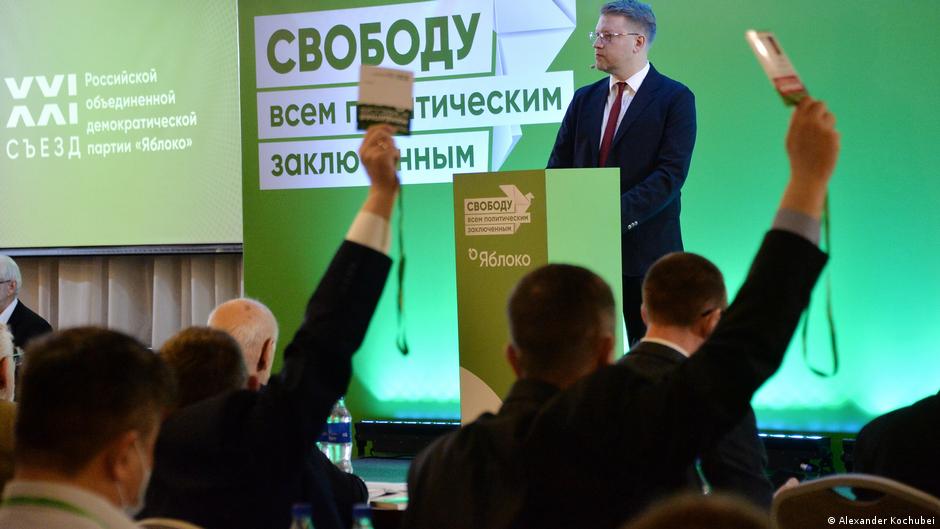
Yabloko’s Novgorod result preserves a route to future Duma ballot access, a political-risk signal for Russia’s startup and VC ecosystem.

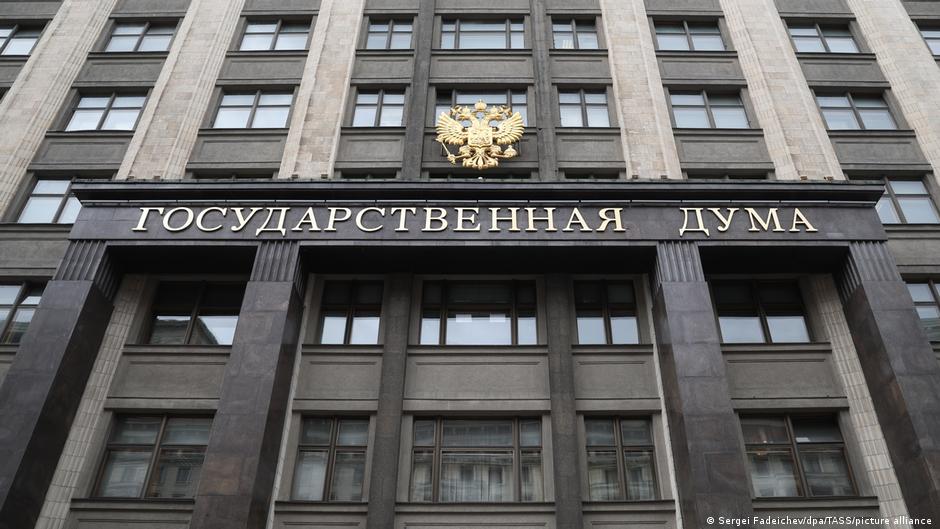
United Russia’s projected Duma majority signals policy continuity for Russian tech startups, state-backed innovation and domestic M&A.

Saudi Arabia said it intercepted a Houthi ballistic missile aimed at Riyadh, adding security risk for Gulf startups, VCs and energy-linked tech.

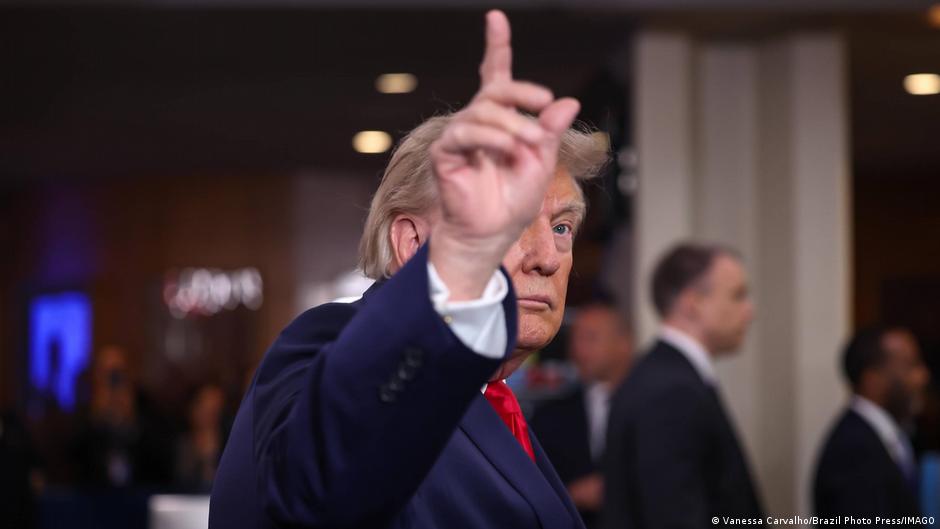
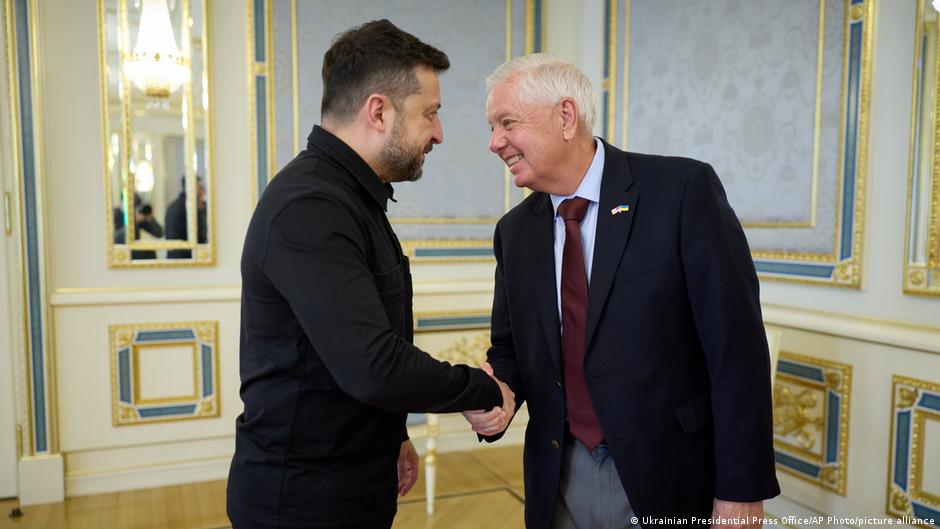
Trump signed the Graham sanctions bill, creating new tariff and sanctions risks for energy-linked markets, startups and investors.

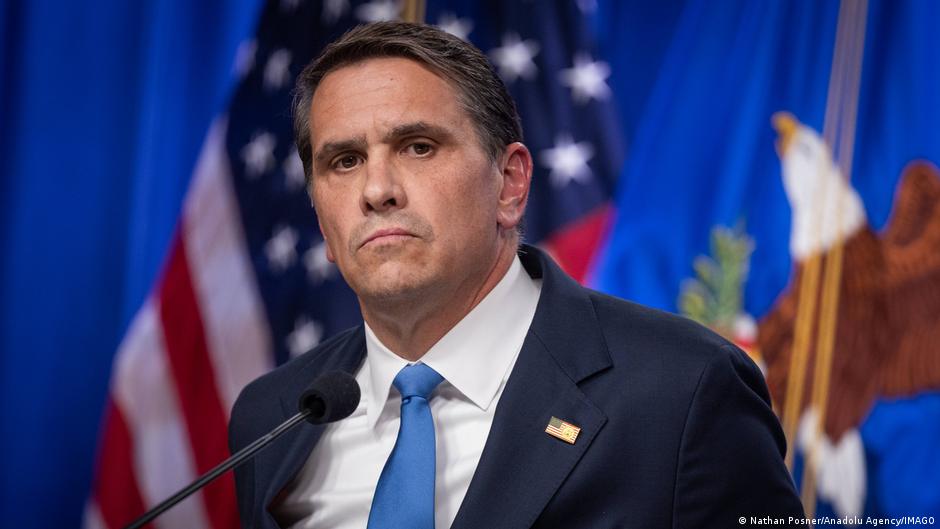
U.S. charges tied to RIS Network highlight rising geopolitical and compliance risks for startups, investors and cross-border tech deals.

The House advanced debate on a Graham sanctions bill that could reshape tariff risk for energy, supply chains and venture-backed tech firms.

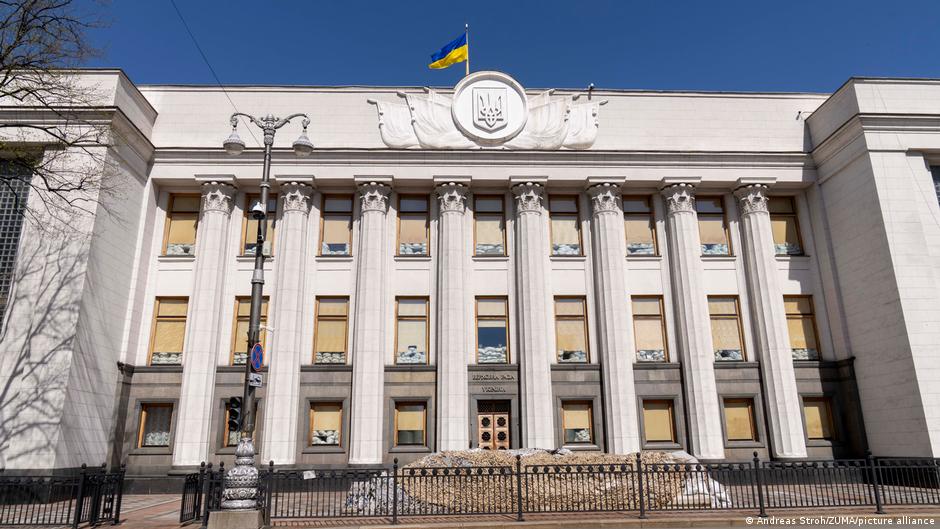
Ukraine’s parliament will consider seven difficult bills tied to Western aid, with implications for defense tech, startups and investor confidence.

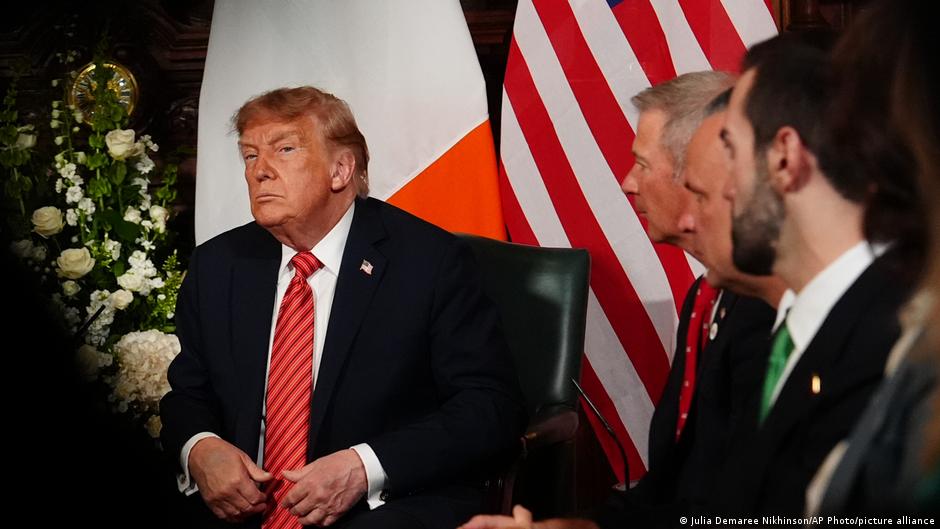
Trump said the U.S. will remove a 10 percent tariff on Irish whiskey, a move with implications for exporters, consumer startups and investors.

Russian attacks damaged logistics, warehouse, residential and energy infrastructure in Odesa, Kyiv region and Mykolaiv, injuring two people.

Uzbekistan’s 10-year business reform drive is reshaping the legal and operating climate for startups, investors and future M&A.

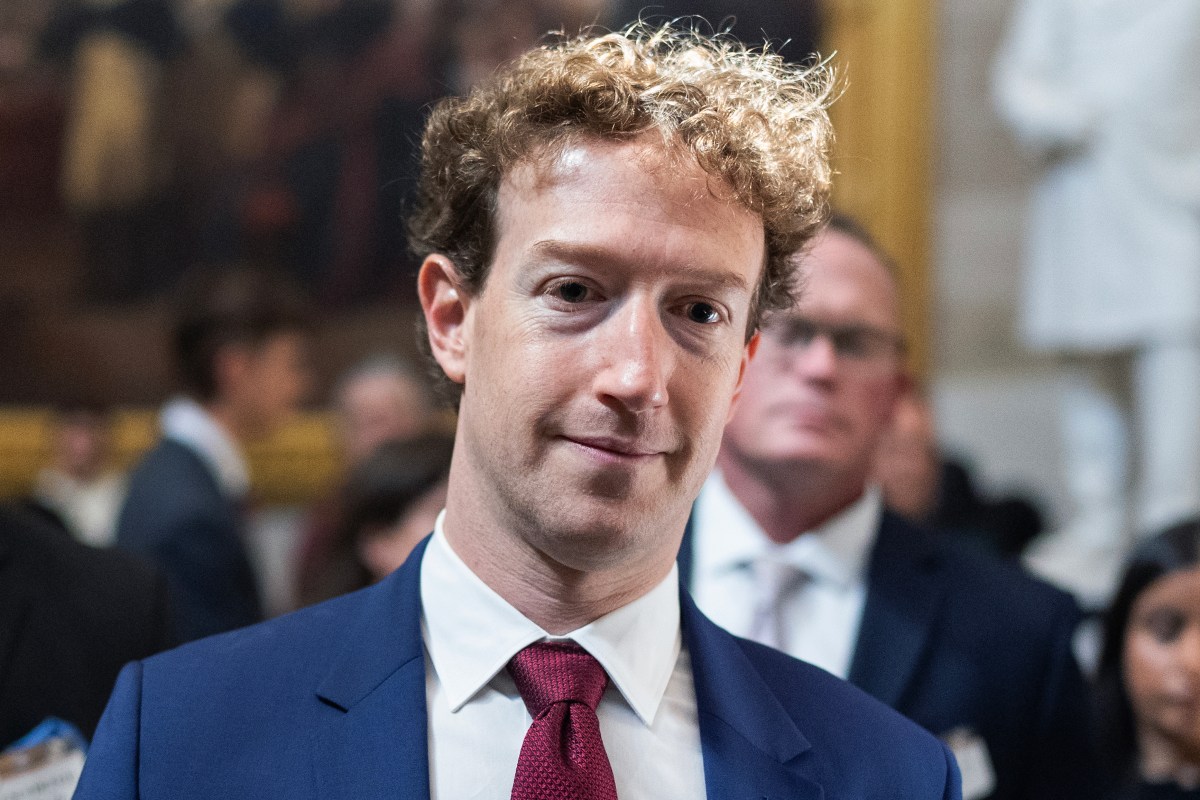
Meta's $18 billion settlement mandates new child-safety platform changes, spotlighting the urgent need for reliable age-verification tech and reshaping venture capital focus in social media innovation.

Russia-linked sabotage at European defense factories threatens NATO readiness and disrupts the defense tech innovation ecosystem across the continent.

Russia revises its fuel dampener system and exchange sale rules to stabilize domestic fuel prices and support key sectors, impacting oil producers and importers.

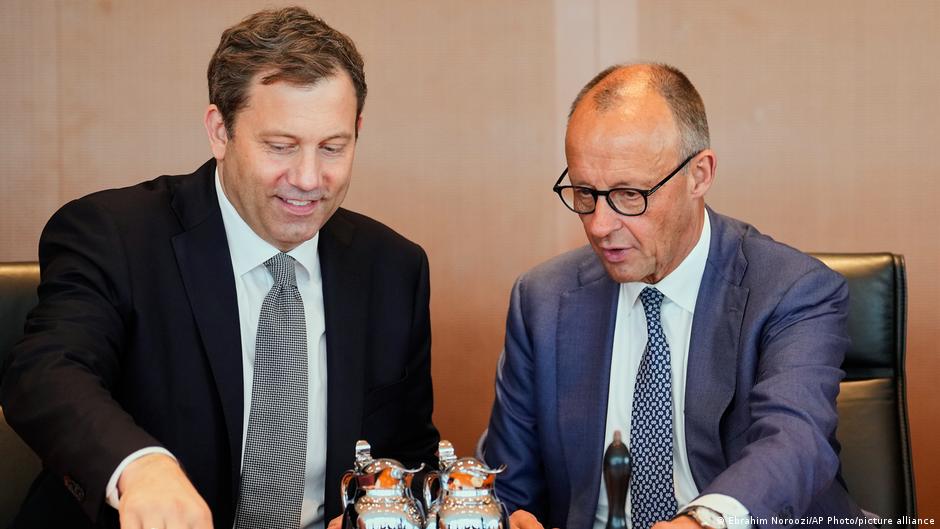
Germany’s 2027 budget raises defense spending and borrowing, sparking concerns about reduced funding for tech startups and innovation amid fiscal pressures.

Gazprom has signed a contract with Russia's Defense Ministry to create mobile units for guarding gas infrastructure, enabling employees to combine civilian jobs with reserve military duties.

Two German entrepreneurs admitted to EU sanctions violations by illegally exporting machinery components to Russia, underscoring export compliance challenges for startups and investors.

The UN faces a financial crisis due to delayed US and China payments, prompting budget cuts that impact peacekeeping and humanitarian programs globally.

UN peacekeeping personnel have dropped to a 25-year low amid funding and geopolitical issues, posing challenges to global security and impacting startups in defense tech sectors.

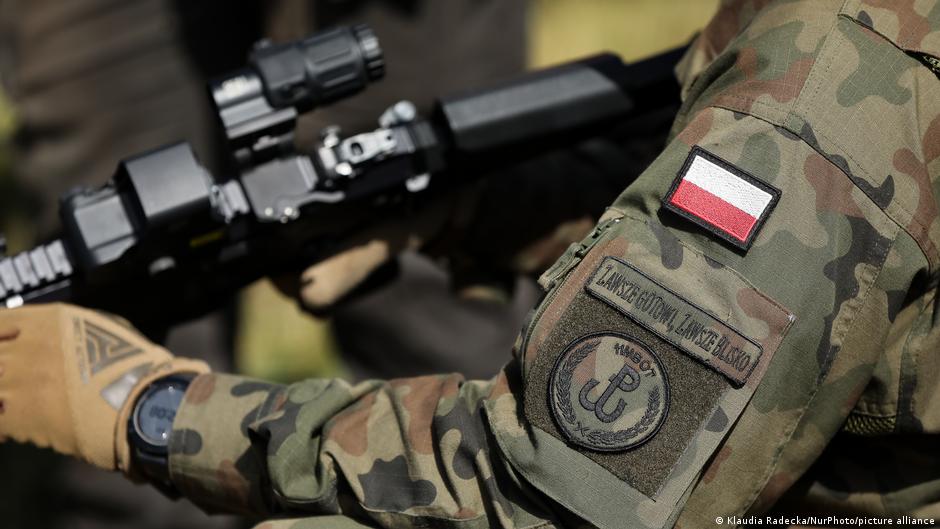
Poland signs a nearly €44 billion EU loan agreement under the SAFE program, boosting defense industry funding and tech innovation despite presidential veto concerns.

Iran mandates detailed vessel data for Strait of Hormuz transit, impacting maritime tech startups and VC investments amid rising US-Iran tensions.

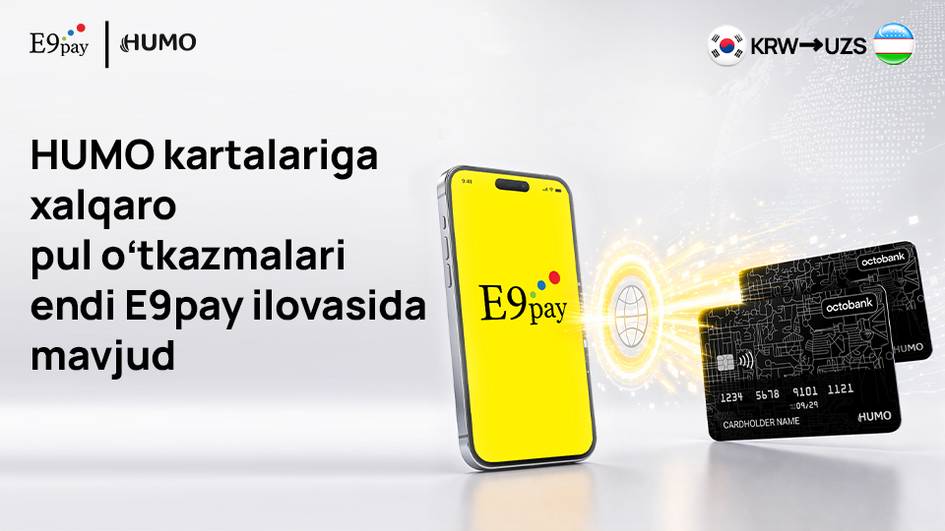
Octobank launches E9PAY-enabled transfers from South Korea to Uzbekistan’s HUMO cards, fostering fintech innovation and attracting VC interest in cross-border payments.

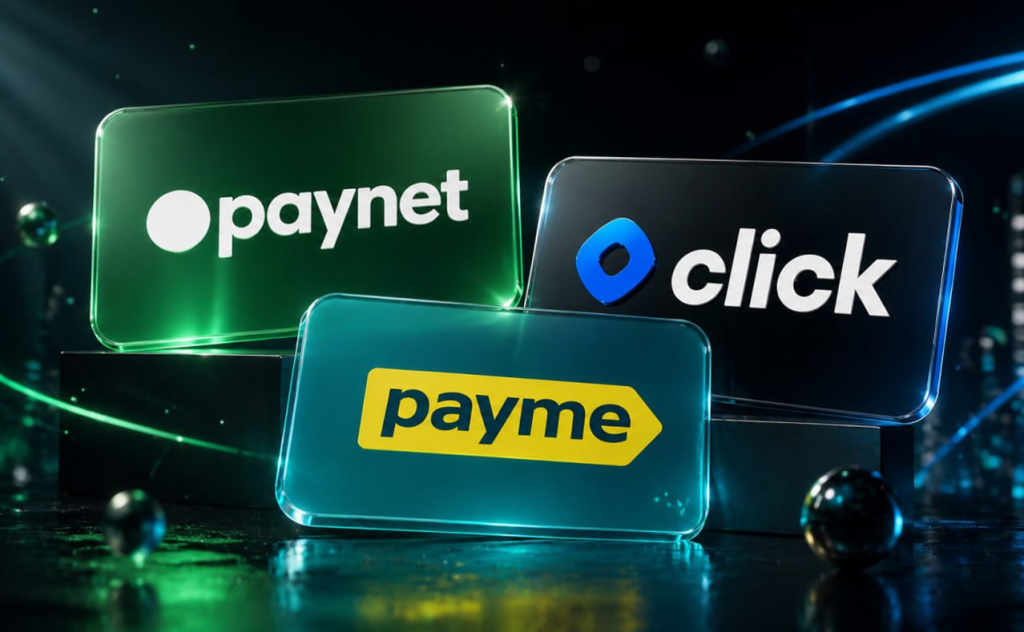
Uzbek payment platforms Payme, Click, and Paynet report strong Q1 2026 profit and revenue growth, reflecting dynamic fintech sector developments and market consolidation.
Uzbek banks are now required to keep a minimum balance on cards during automated debt withdrawals, affecting fintech lending and payment systems.

Tencent and Kaspi.kz management acquire a major stake in Kazakhstan's fintech leader, bolstering the regional startup and innovation ecosystem.

Leading Uzbek banks report strong Q1 2026 profits and asset growth, signaling expanding opportunities for venture capital and fintech innovation in the country.