EU Halves Duty-Free Steel Import Quota to Protect Domestic Industry and Innovation
The European Union reduces duty-free steel import quota by 47% and imposes 50% tariffs on excess imports, impacting tech startups reliant on steel supply.
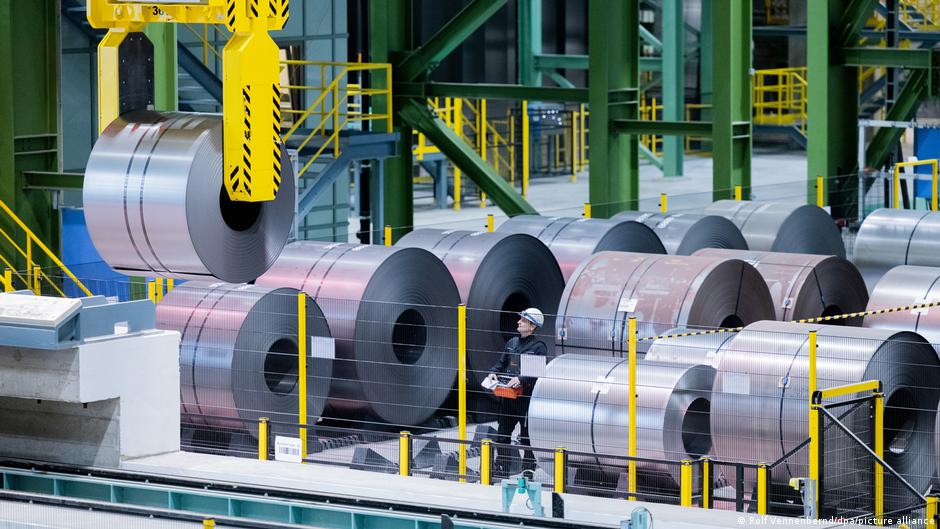
On July 1, the European Union implemented stricter regulations on steel imports, significantly reducing the quota for duty-free steel imports by nearly half. The new annual limit is set at 18.3 million tonnes, approximately 47% less than previous allowances. Any steel imports exceeding this quota will be subject to a 50% tariff, doubling the previous duty rate.
Implications for the EU Steel Industry and Tech Ecosystem
This move aims to shield the European steel industry from a surge of inexpensive steel imports, primarily targeting overproduction from certain global players. Germany, the largest steel producer within the EU, stands to benefit from these protective measures, which include country-specific duty-free quotas and provisions allowing unused quotas to be rolled over into future quarters.
“By curbing excessive imports, the EU seeks to stabilize steel prices and support domestic production, which is crucial for downstream industries including technology manufacturing.”
According to data from the World Steel Association, China produced approximately 961 million tonnes of steel in 2025, accounting for over half of global production. In contrast, Germany's steel output was around 34 million tonnes. The EU has accused China of unfairly subsidizing its steel sector, contributing to market distortions and a global steel surplus.
For the technology startup ecosystem, these changes could have mixed effects. While increased tariffs might lead to higher steel costs impacting hardware manufacturers and construction for tech facilities, they also aim to preserve local steel production capabilities. This could foster stronger supply chain resilience and innovation within the EU’s industrial base.
Venture capital investors and startups in hardware and deep-tech sectors need to monitor these developments closely, as rising input costs could shift investment strategies and reshape merger and acquisition activity in industries reliant on robust steel supplies.