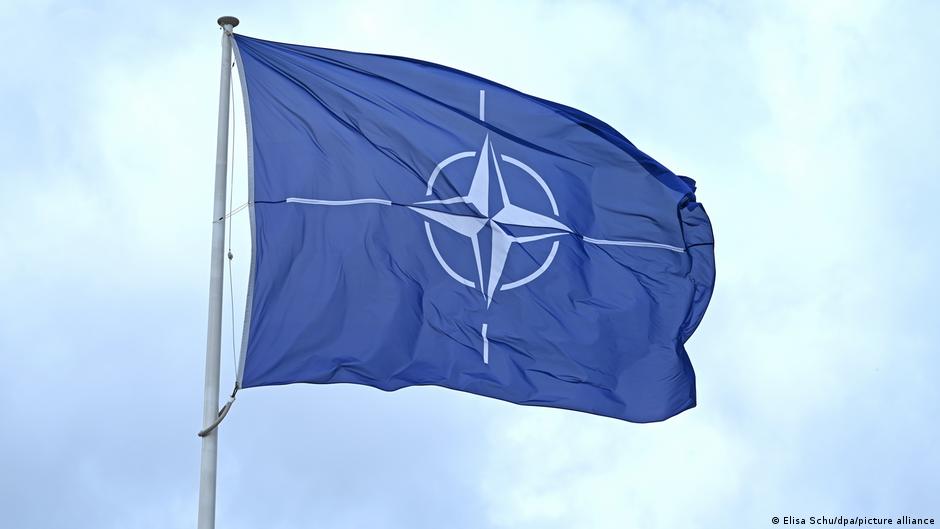
NATO Considers Expanding Nuclear Deterrence in Europe Amid Rising Security Concerns
NATO plans to deploy tactical nuclear weapons in Finland, Poland, and Lithuania to strengthen deterrence, affecting Europe's security and tech innovation ecosystem.

NATO plans to deploy tactical nuclear weapons in Finland, Poland, and Lithuania to strengthen deterrence, affecting Europe's security and tech innovation ecosystem.

Humo’s net profit soared 3.3 times in H1 2026 to 410.9 billion UZS, driven by strong revenue growth and operational efficiency despite new tax burdens.

Uzbekistan launches a subsidy covering up to 50% of costs for modern swimming pool projects, fostering startup growth in tourism, sports infrastructure, and health tech.
Uzbekistan launches national digital initiatives to unify public administration, boost IT exports, and attract $2B in investments, fostering a thriving tech startup ecosystem.

Russia's use of North Korean ballistic missiles in Ukraine marks a new geopolitical risk that may impact venture capital flows and startup innovation in Eastern Europe.

US President Trump announced a historic Hamas disarmament agreement, a key step toward peace in Gaza that may enable new opportunities for tech startups and venture capital.

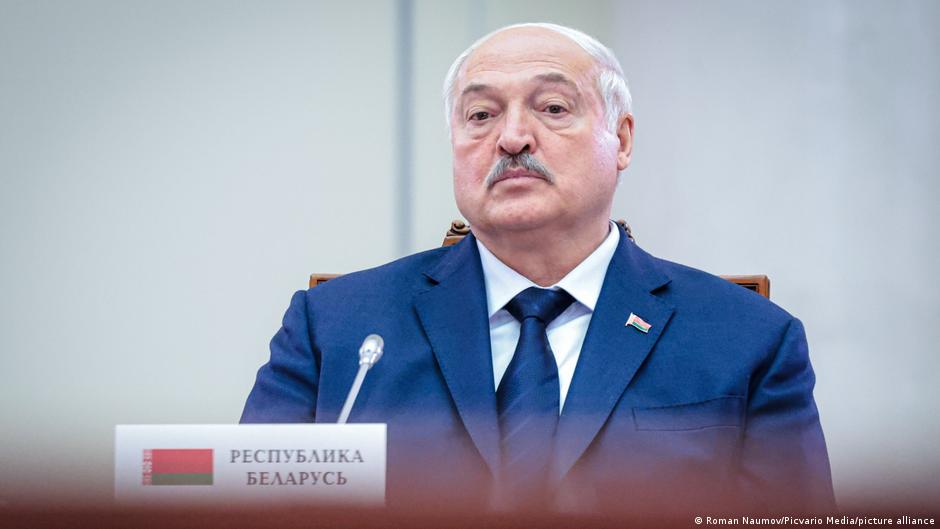
Belarus directs underperforming agricultural workers to military service during harvest, aiming to enforce labor discipline and improve productivity amid government mobilization efforts.

Ukraine’s Air Force lost its fourth F-16 fighter jet during combat; pilot survived. This highlights operational risks amid Western tech integration and affects the defense innovation ecosystem.

Greece has sharply increased Schengen visa refusals for Russian applicants in 2025, reflecting EU policy shifts and impacting tourism and cross-border tech startup activities.

Russian missile and drone attacks on Ukrainian cities cause civilian deaths and infrastructure damage, intensifying conflict and impacting the tech startup ecosystem.

US forces intercepted ballistic missiles launched by Iran targeting Middle East bases, heightening regional tensions with potential impacts on tech startups and venture capital.

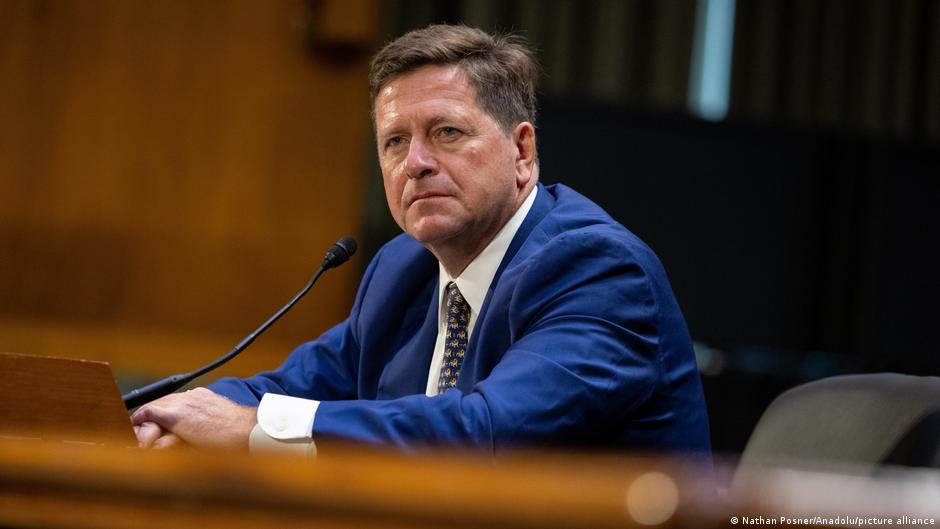
Jay Clayton, former SEC chairman and federal prosecutor, confirmed as US National Intelligence Director amid bipartisan concerns over his lack of intelligence experience.