Russian Convoys Reverse Course After Ukrainian Drone Strike in Libya
Russian military convoys changed course after a Ukrainian maritime-drone strike in Libya, sharpening risks and opportunities for dual-use technology startups.

Russian military convoys changed course after a Ukrainian maritime-drone strike in Libya, sharpening risks and opportunities for dual-use technology startups.

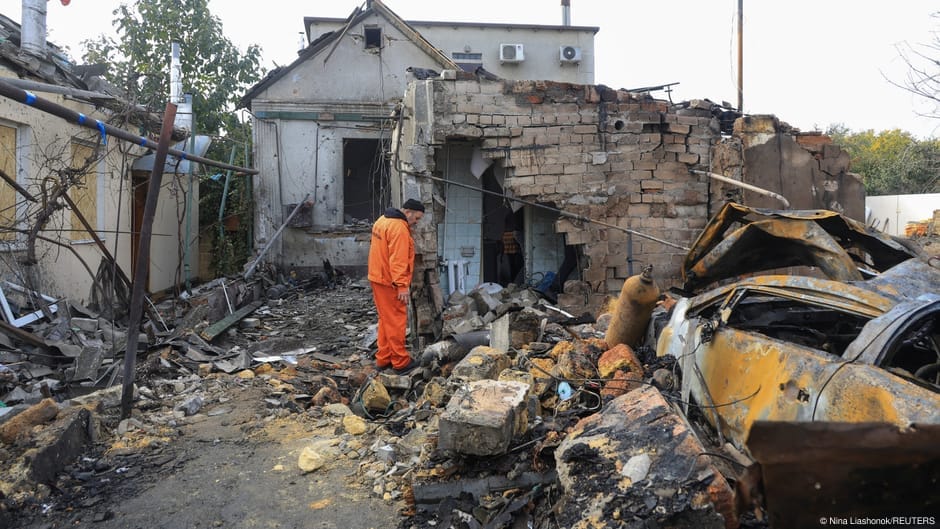
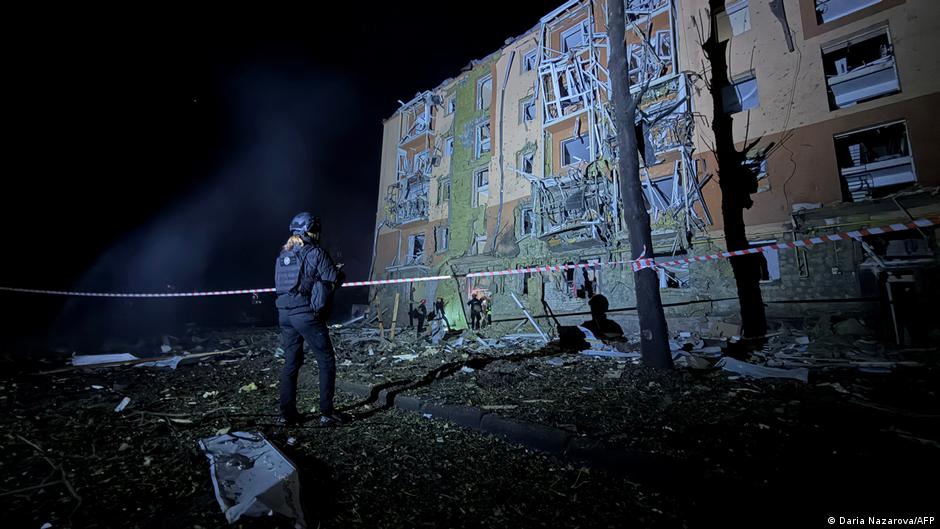
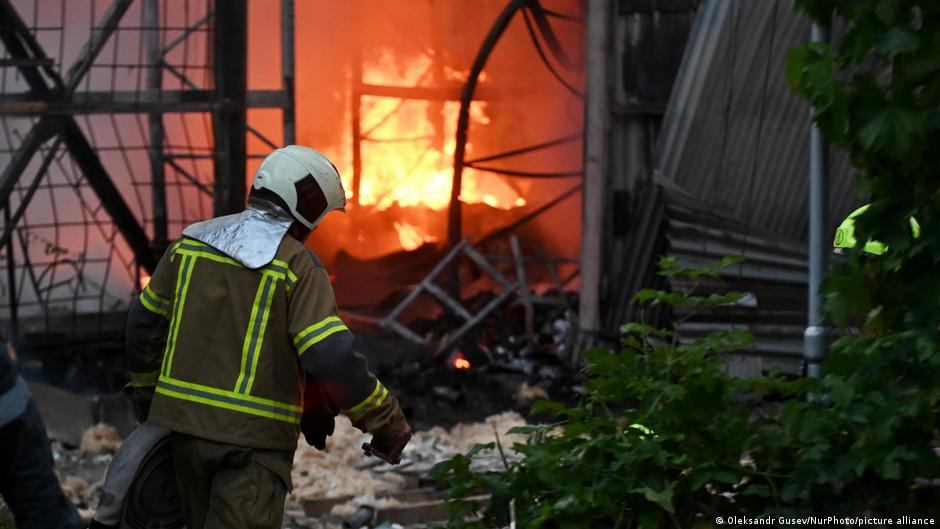
Russian attacks killed three people, damaged businesses and production assets, and intensified power restrictions affecting Ukraine’s startup economy.

Germany’s decision to move tanks to Lithuania by rail highlights opportunities in dual-use logistics, infrastructure software and defense technology.

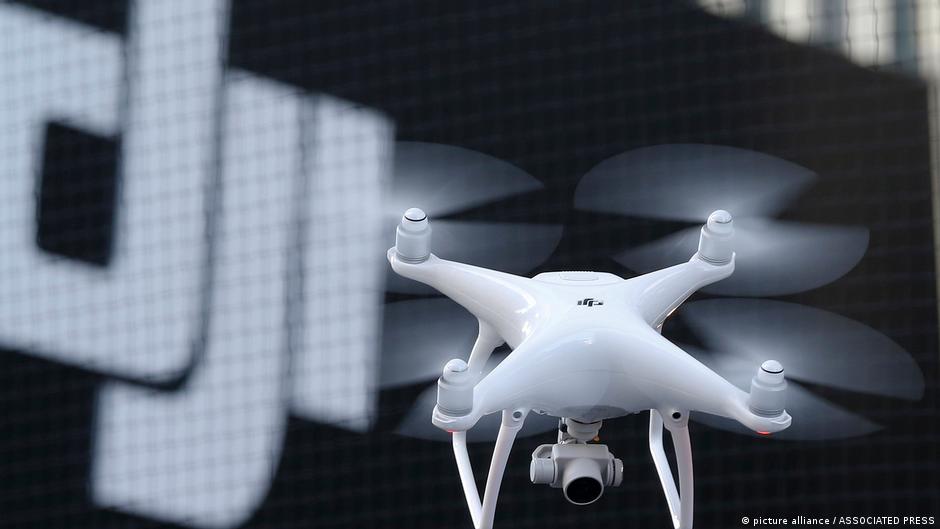
Germany’s ban on Chinese drones and vehicles at military sites could redirect procurement toward European defense and security technology startups.

At least 350 Russian conscripts have died in Ukraine, adding to workforce and investment risks confronting Russia’s technology startup ecosystem.

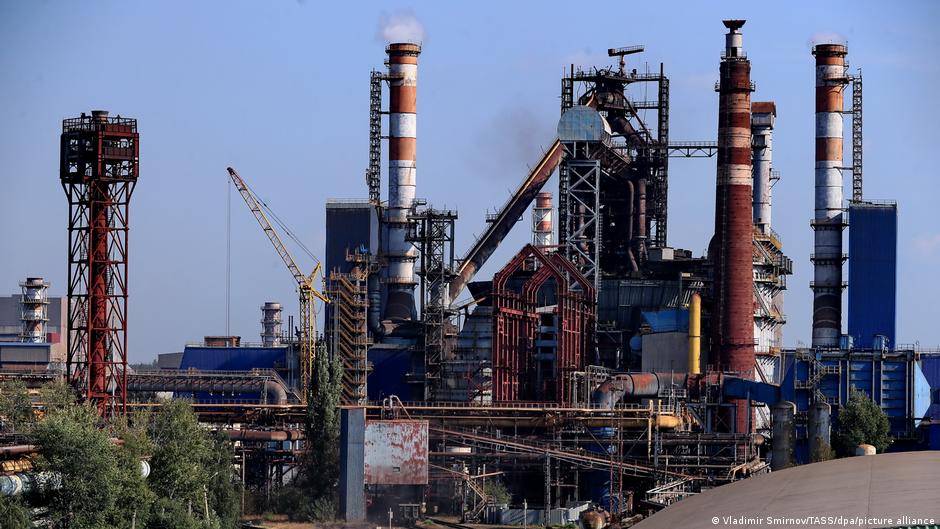
Reported attacks on industrial sites in Lipetsk and Tula expose growing supply-chain and investment risks for Russia’s defense-linked technology sector.

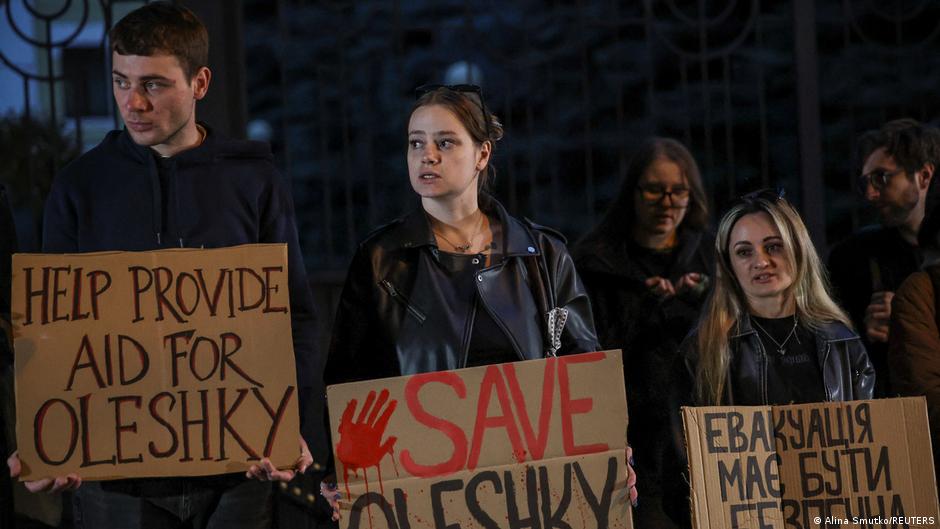
A temporary ceasefire in Oleshky enables aid and evacuation preparations, highlighting the role and limits of drones, demining and logistics technology.

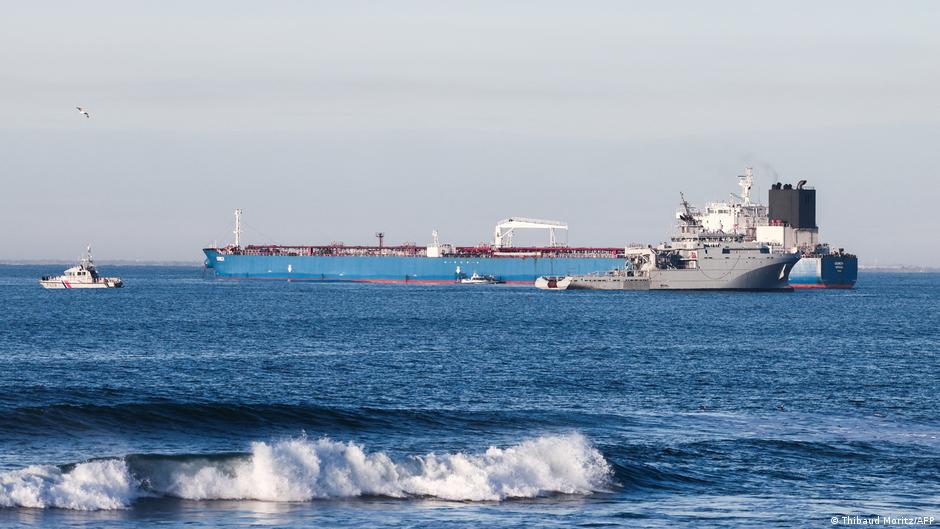
MYRA’s distress signal off Ireland highlights demand for maritime monitoring, sanctions compliance and ownership-mapping technologies.

SpaceX restored full Starlink access in Ukraine, highlighting the strategic power and governance risks of privately controlled defense infrastructure.

Russian strikes killed two people, disrupted power supplies and halted a German-owned auto-components plant, adding to operational risks for Ukraine’s innovation economy.

Five drone incursions in one day highlight geopolitical and operational risks for Moldova’s startups, venture investors and technology ecosystem.

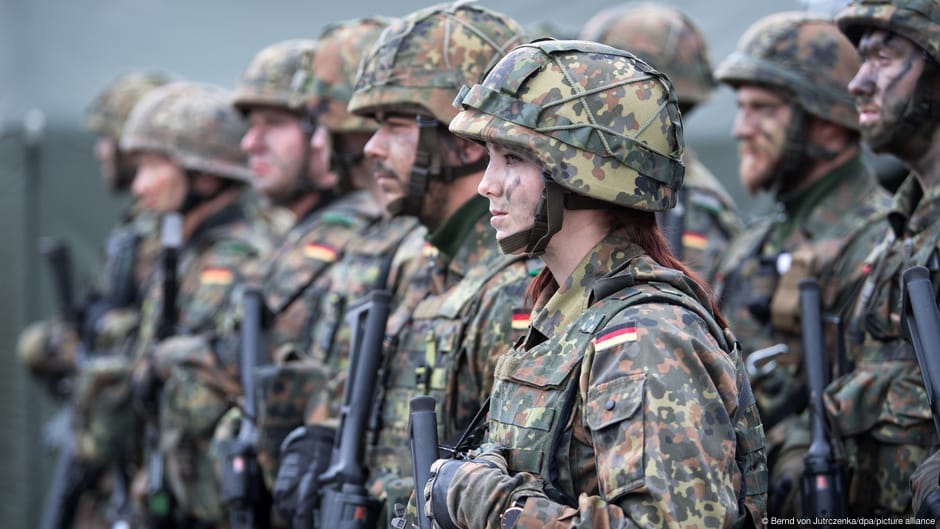
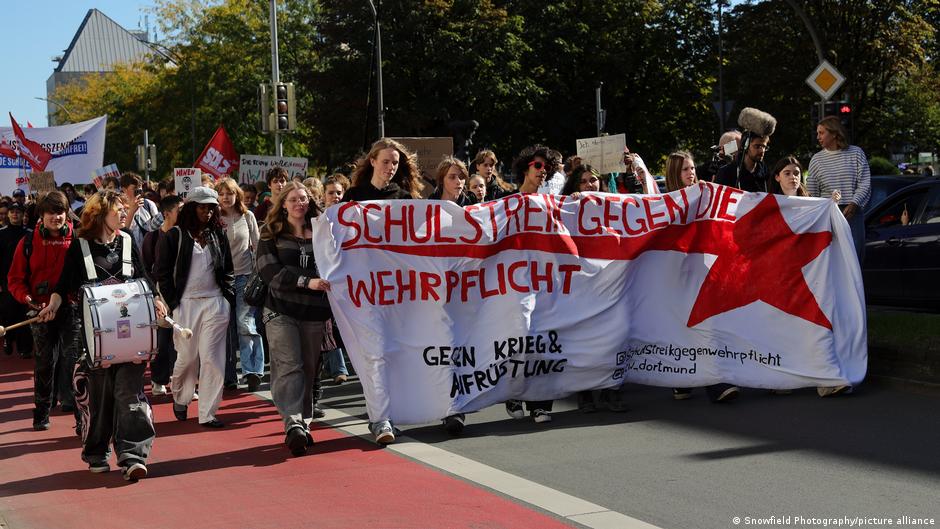
Germany’s surge in military-service refusals adds uncertainty for startups and investors competing for young technical talent.

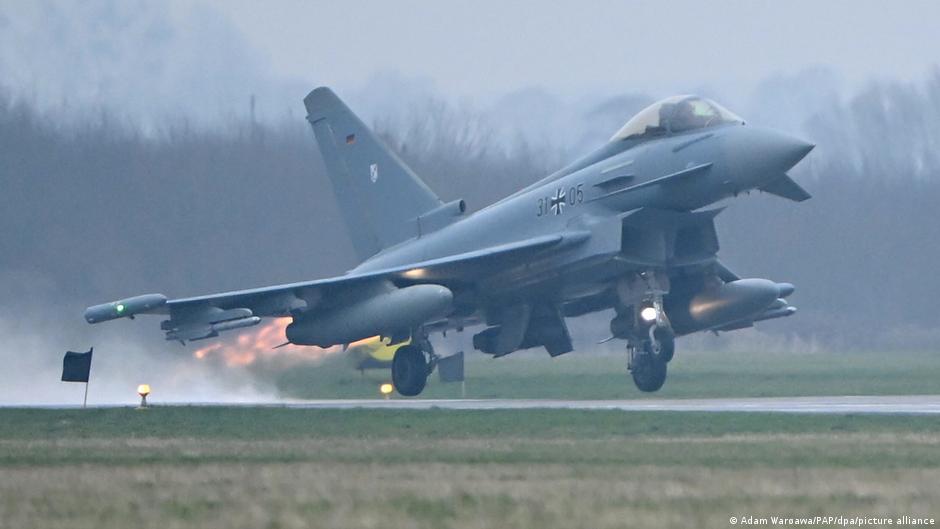
Germany deployed Eurofighters to Latvia for election air security, underscoring how Baltic defense risks affect startups, VC and M&A.

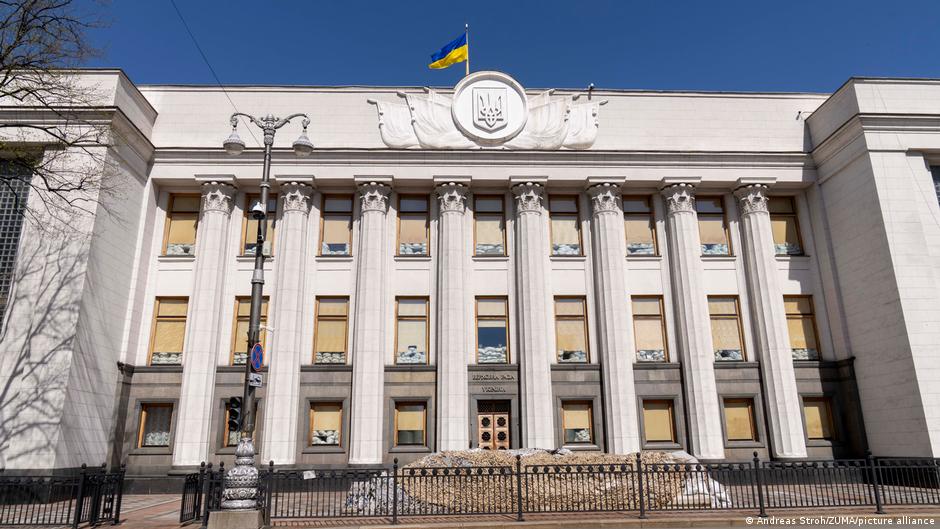
Ukraine’s parliament will consider seven difficult bills tied to Western aid, with implications for defense tech, startups and investor confidence.

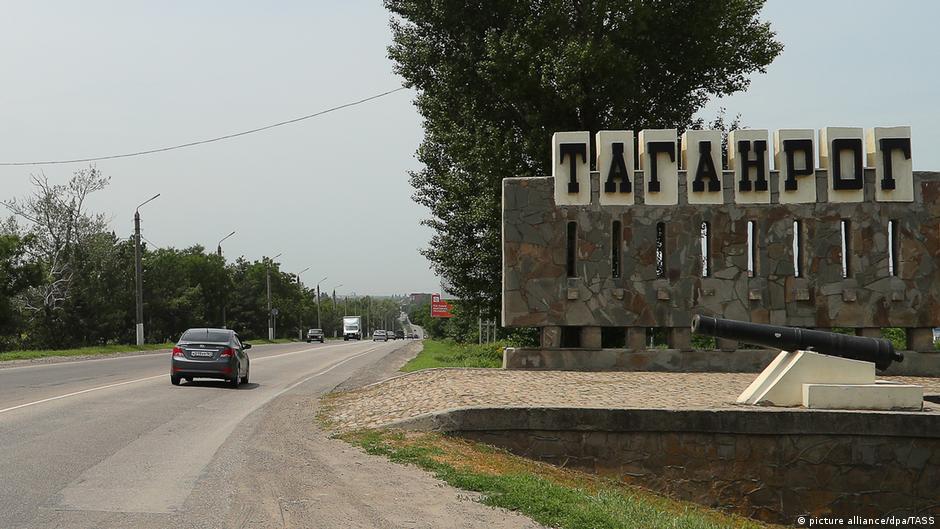
Strikes on Syzran and Taganrog damaged refinery, logistics and industrial assets, highlighting rising risk for infrastructure-linked startups.

Russian drone attacks hit Kyiv fuel stations and warehouses and damaged Odesa logistics and port infrastructure, deepening risks for Ukraine’s startup economy.

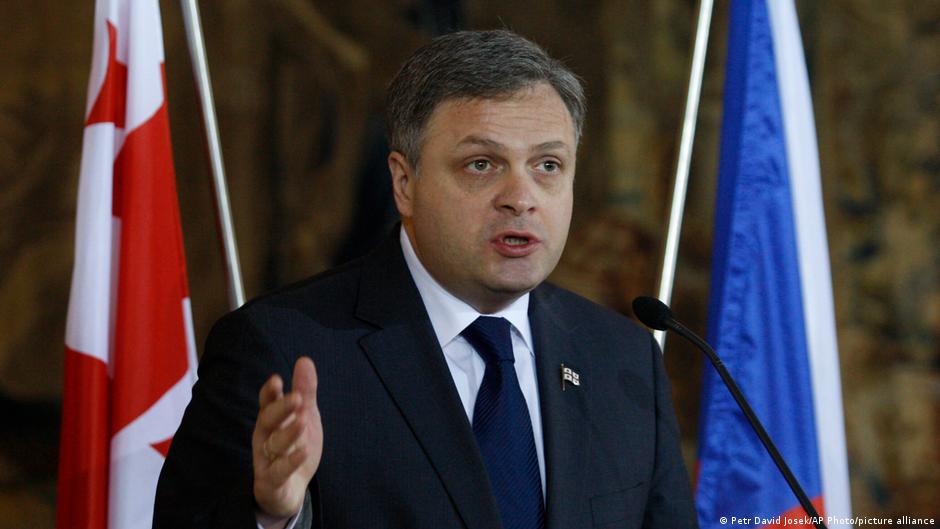
Georgia detained former defense minister Giorgi Baramidze in a treason case, adding political risk considerations for startups and VC investors.

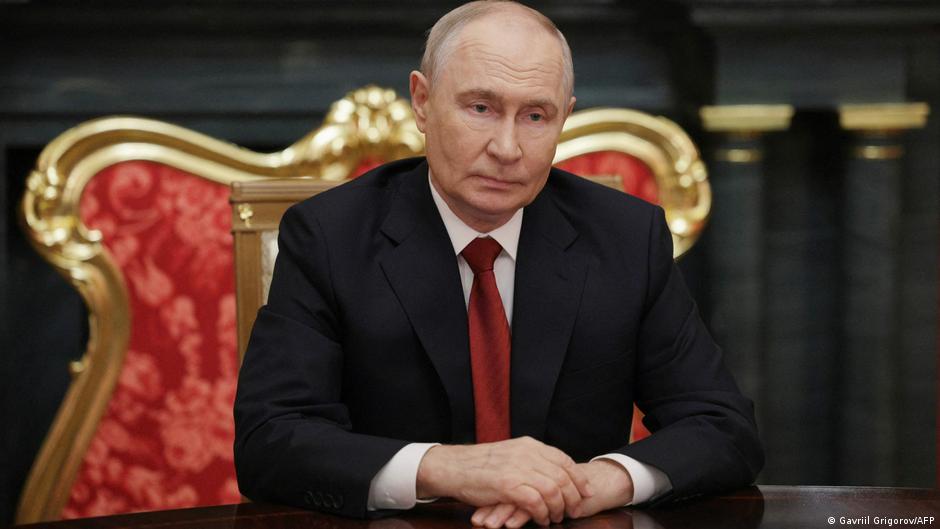
Putin backed using medically unfit volunteers for rear-area anti-drone roles, highlighting manpower pressure and demand for counter-drone systems.

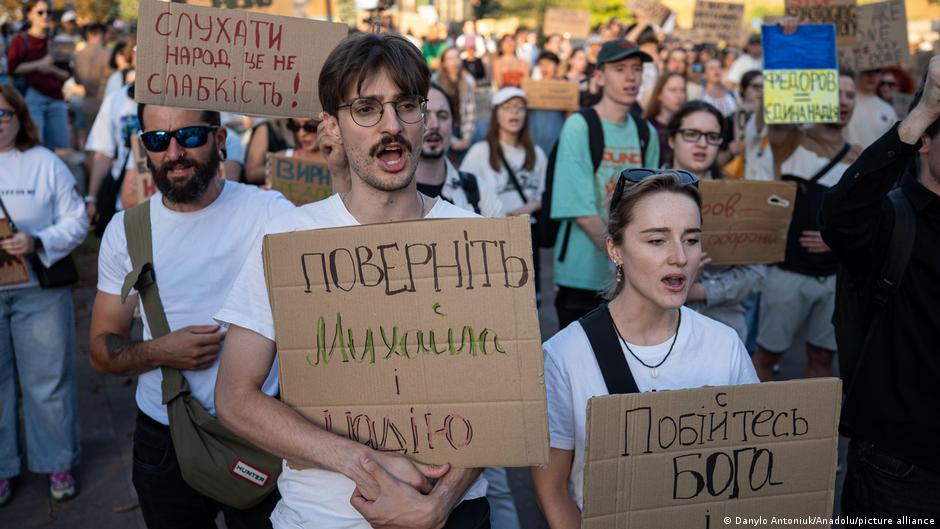
Protests in Kyiv demand the reinstatement of Mykhailo Fedorov as Defense Minister amid criticism of recent cabinet appointments, highlighting implications for Ukraine’s defense and tech sectors.

Gazprom has signed a contract with Russia's Defense Ministry to create mobile units for guarding gas infrastructure, enabling employees to combine civilian jobs with reserve military duties.

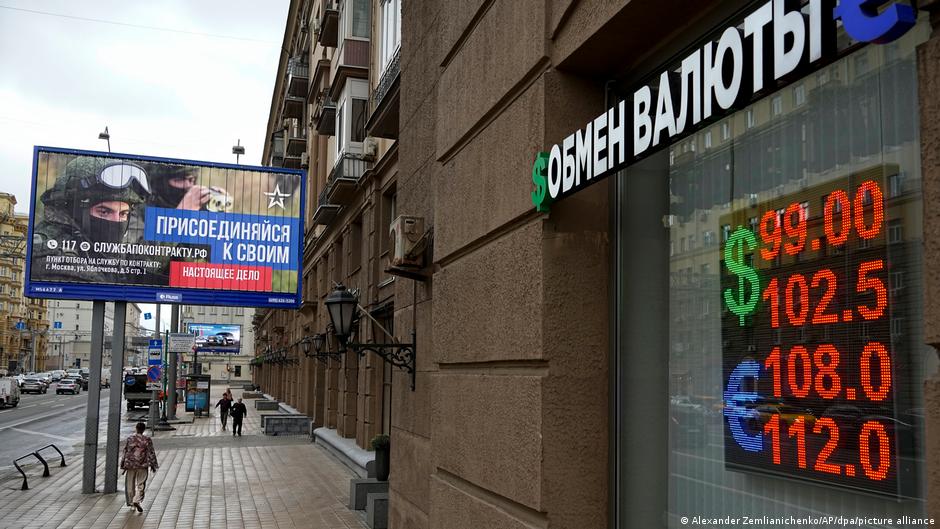
The Russian Defense Ministry proposes ending mandatory medical checks for contract soldiers, underscoring recruitment struggles amid the ongoing conflict with Ukraine.

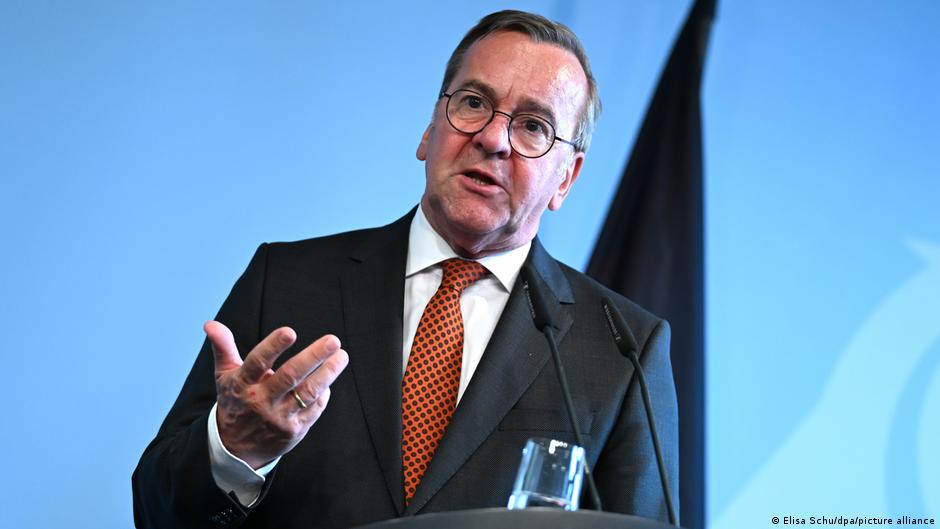
Germany allocates an additional €300 million to support the Czech ammunition initiative for Ukraine, funding 50,000 rounds and reinforcing European defense cooperation.

Russia and Ukraine use the May 9 ceasefire to rotate troops and prepare offensives, while intermittent hostilities continue amid fragile peace efforts.