Poland’s Planned Border No-Fly Zone Could Reshape Drone Investment
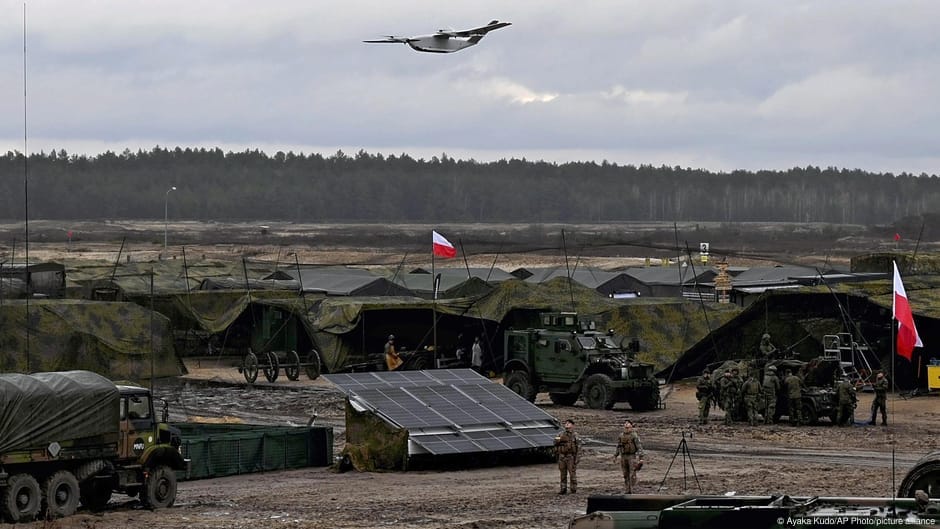
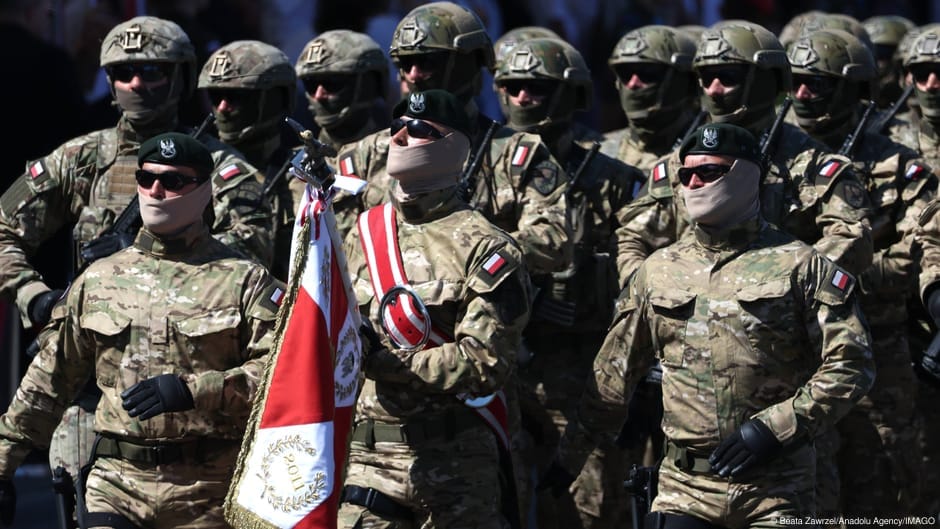
Poland’s planned eastern border no-fly zone may restrict civilian drone operations while creating opportunities for defense and airspace technology startups.

Poland’s planned eastern border no-fly zone may restrict civilian drone operations while creating opportunities for defense and airspace technology startups.

A Russian drone’s brief entry into Polish airspace highlights demand for safer interception, integrated surveillance and NATO-compatible defense technology.

New Pentagon limits preserve NATO and NORAD links but create uncertainty for defense startups, investors and cross-border procurement.

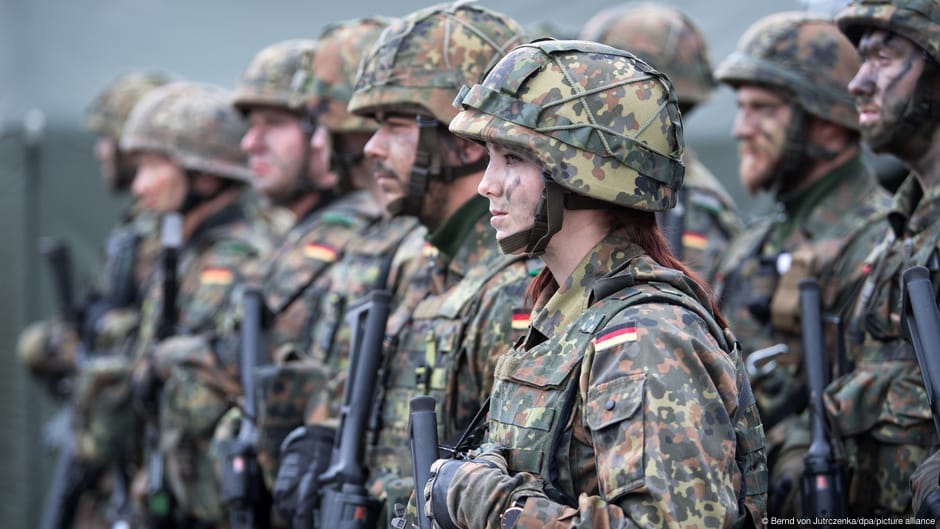
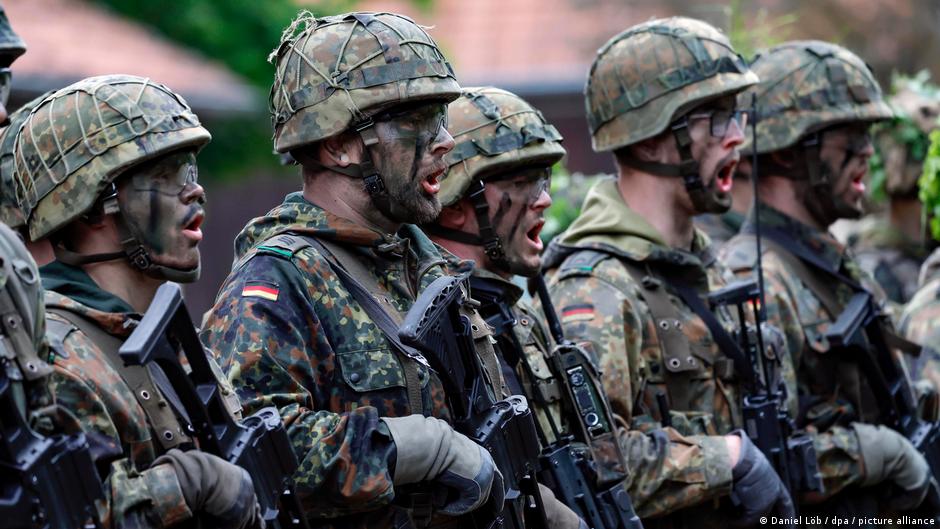
Germany’s decision to move tanks to Lithuania by rail highlights opportunities in dual-use logistics, infrastructure software and defense technology.

Trump’s drive for a Ukraine agreement before January 2027 could reshape defense-tech funding, startup risk and M&A across Europe.

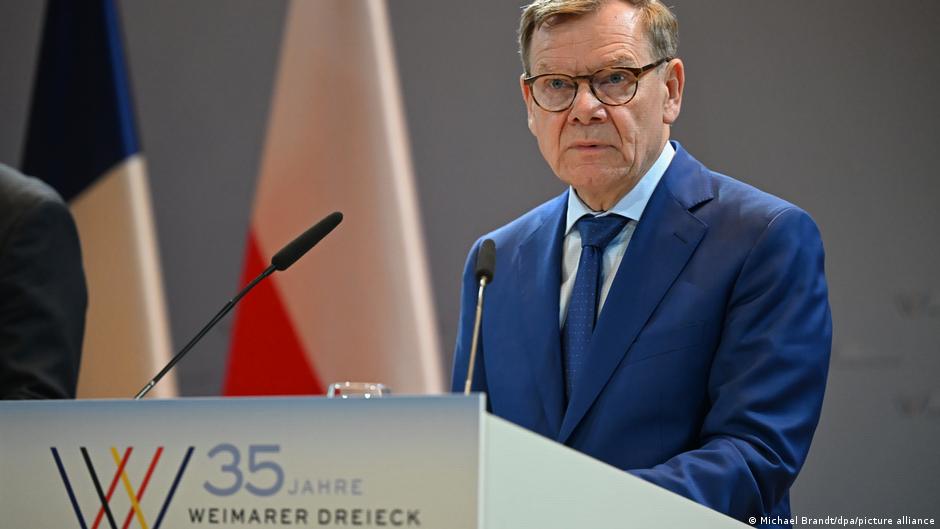
Germany and Poland are preparing a defense action plan that could expand cross-border opportunities in cybersecurity, advanced technology and industrial supply chains.

A smaller US troop withdrawal from Europe could reduce uncertainty for defense startups, investors and strategic suppliers serving NATO markets.

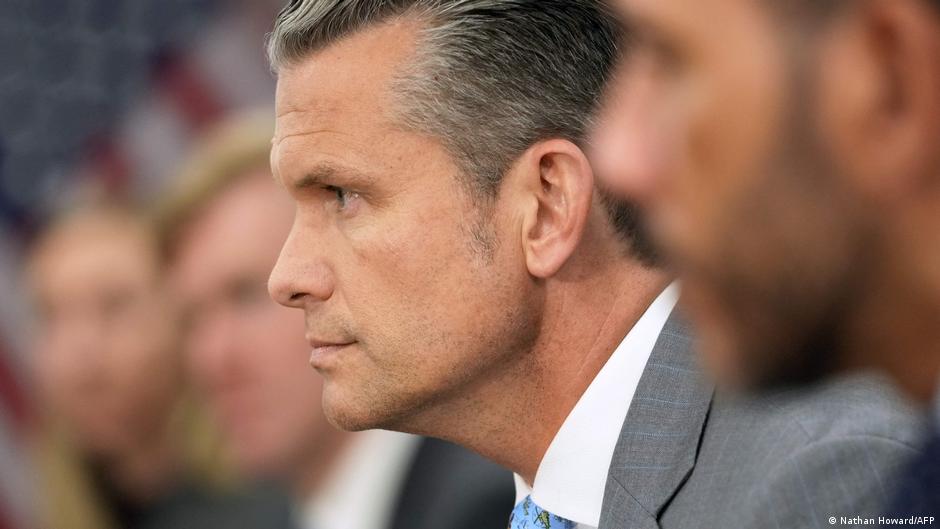
House Republicans stalled an effort to impeach Defense Secretary Pete Hegseth, preserving near-term continuity but leaving uncertainty for defense startups and investors.

A Republican effort to impeach Defense Secretary Pete Hegseth adds political uncertainty for defense startups, investors and strategic buyers.

British and Dutch aid for Ukraine combines defense procurement, export guarantees and reconstruction funding with potential openings for technology suppliers.

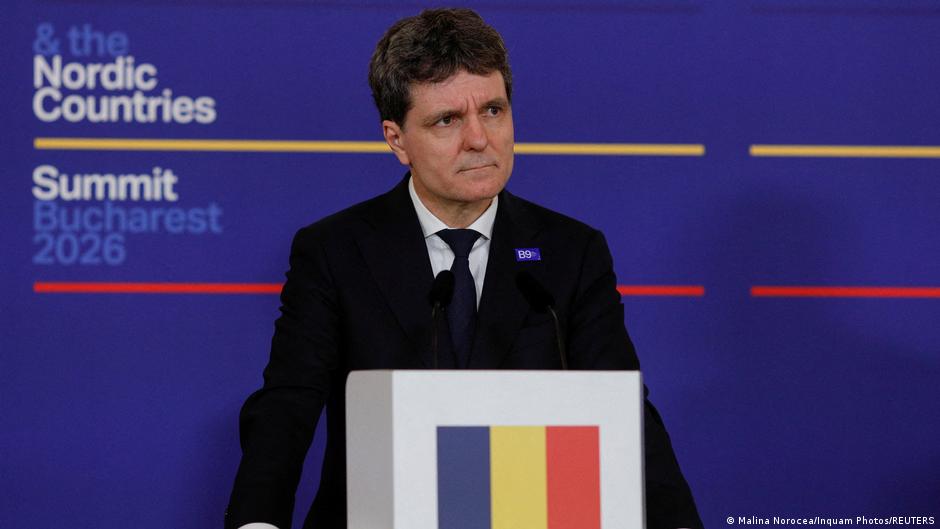
Romania says a Russian-coordinated network targeted an arms plant, adding physical security and supply-chain risks for Europe’s defense technology sector.

Reported U.S. pressure over Ukraine’s strikes on Russian refineries adds political risk for defense tech startups and investors.

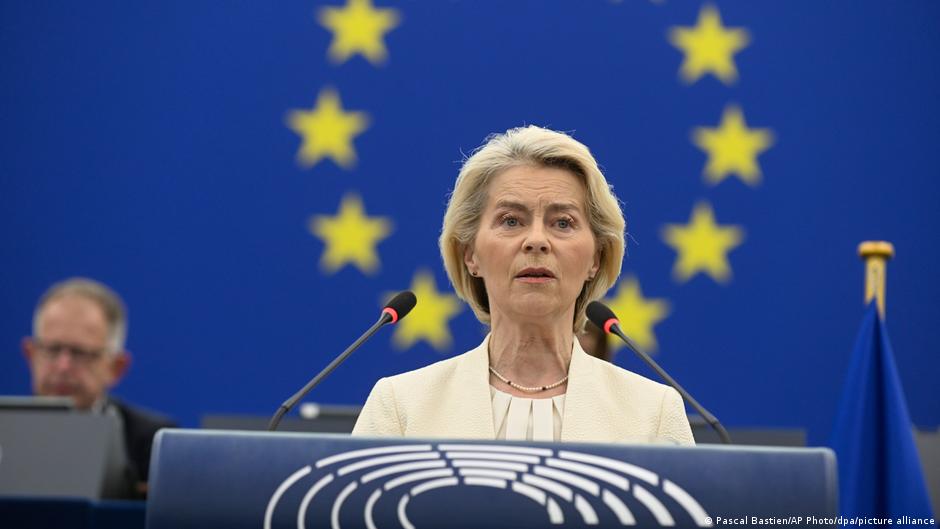
The EU plans new funding for Ukrainian drones and missiles as Brussels prepares to discuss Kyiv’s financing needs and accession talks.

Russian missile and drone strikes on Kyiv hit residential, educational, medical and research-linked sites, adding pressure on Ukraine’s startup ecosystem.

Swiss voters rejected a neutrality initiative that would have restricted sanctions, preserving policy flexibility important to startups and investors.

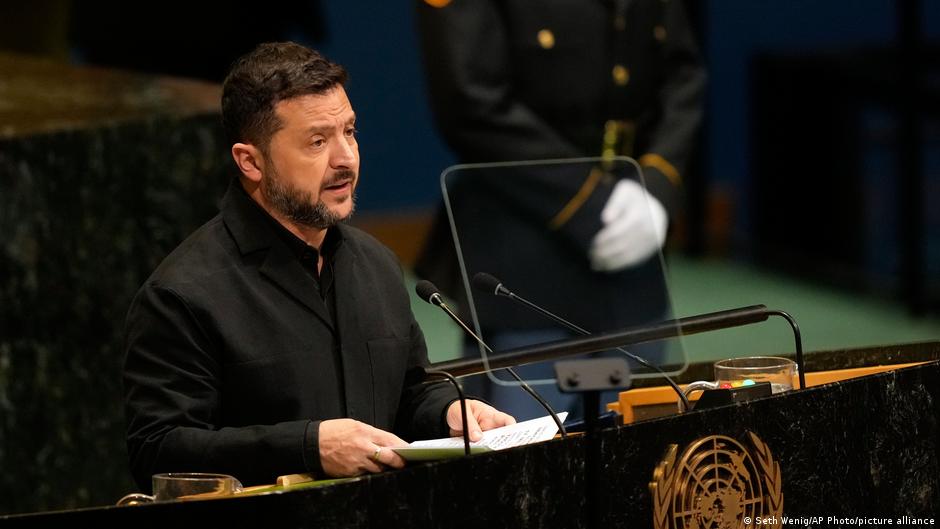
Zelenskyy told the UN that Putin is spreading the idea of war, warning of risks to energy security, AI and the wider innovation economy.

China warned the U.S. against preparing for space war after Washington confirmed orbital weapons, raising risks for space-tech startups.

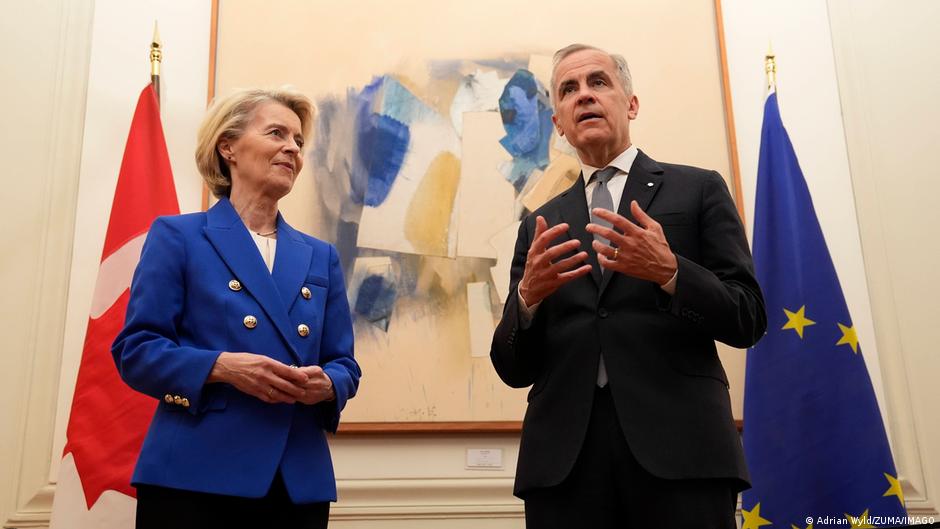
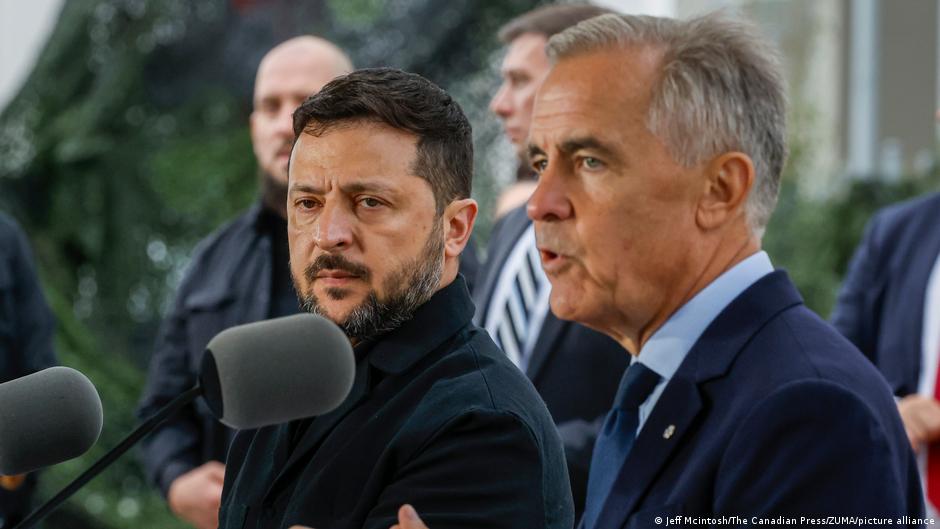
Canada is negotiating to join the EU’s €90 billion Ukraine loan as Ottawa pursues closer European ties in AI, digital trade and defense innovation.

Zelensky expects late-September US talks on food and energy security, issues central to Ukraine’s startup resilience and investor outlook.

Germany’s foreign minister says German defense firms should benefit from Berlin’s support for Ukraine, signaling procurement stakes for defense tech startups.

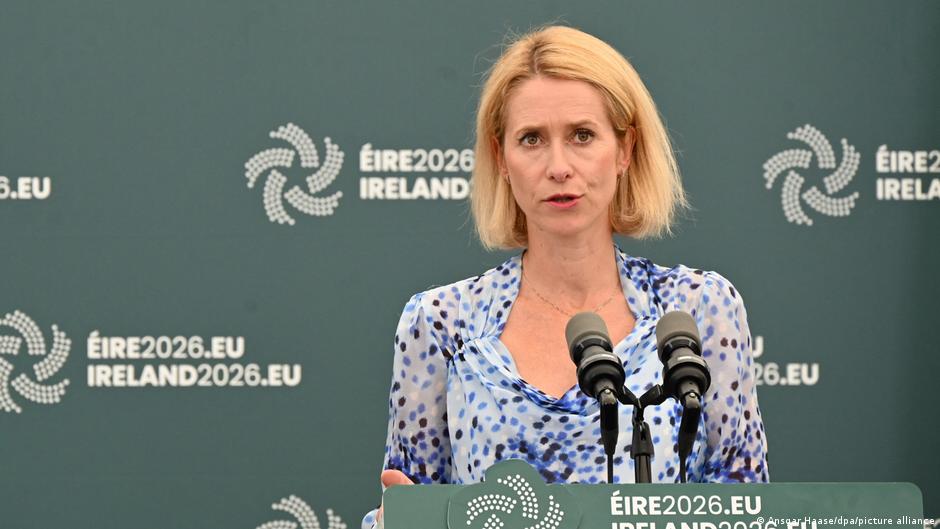
Kaja Kallas canceled an EU defense expert group after German and Italian resistance, delaying a planned forum tied to Ukraine’s battlefield innovation.

Germany plans a counter-sabotage shield against drones and cyberattacks, signaling new demand for defense tech and cyber startups.

Daniel Driscoll’s expected exit after clashes with Pete Hegseth could inject new uncertainty into Pentagon buying signals for defense startups and investors.

Russia-linked sabotage at European defense factories threatens NATO readiness and disrupts the defense tech innovation ecosystem across the continent.

Russia has created a covert 'shadow air fleet' using military and private aircraft to supply troops in Africa's Sahel, raising concerns over sanctions evasion and aviation compliance.

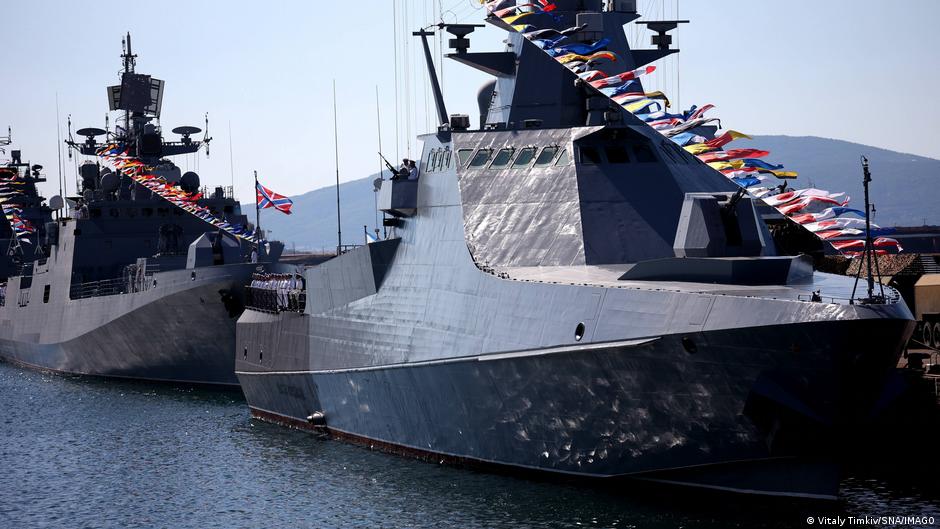
Ukraine’s recent drone and missile strike on Russian naval vessels and infrastructure in Novorossiysk highlights emerging military tech and potential shifts in defense innovation and venture opportunities.

Germany intensifies efforts to counter hybrid warfare threats by launching a new research center focused on drone defense technologies, influencing the tech startup and VC landscape.

Lithuanian officials warn Russia may use captured Ukrainian drones to target Baltic infrastructure, raising security and innovation challenges for regional tech startups.

Trump accuses Biden of depleting U.S. ammunition stockpiles to aid Ukraine, emphasizing the need to balance support with national defense readiness amid ongoing missile attacks.

A deadly explosion targeting Russian Aerospace Forces' leadership in Moscow raises concerns about security risks impacting tech startups and venture capital in Russia's defense sector.

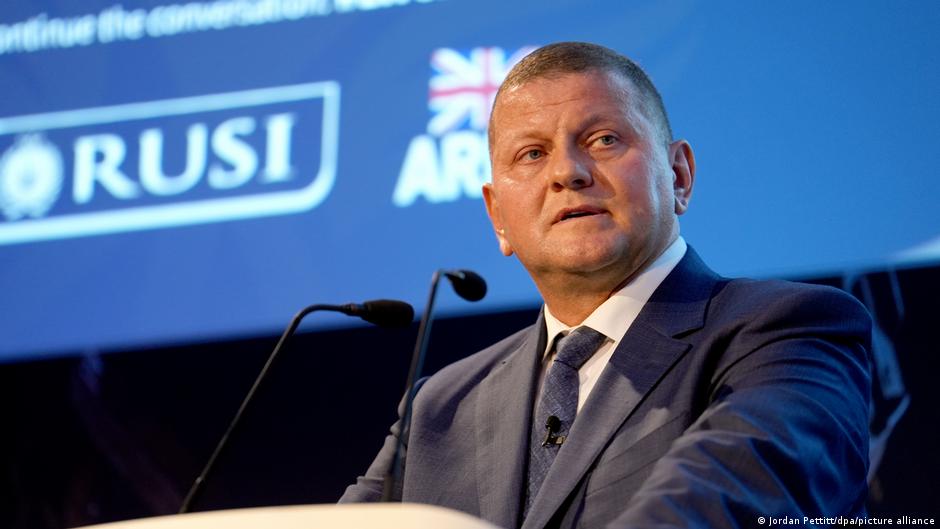
Ukraine’s former top military commander doubts NATO membership and advocates for joining new defense coalitions, highlighting opportunities for tech innovation and expanded security partnerships.

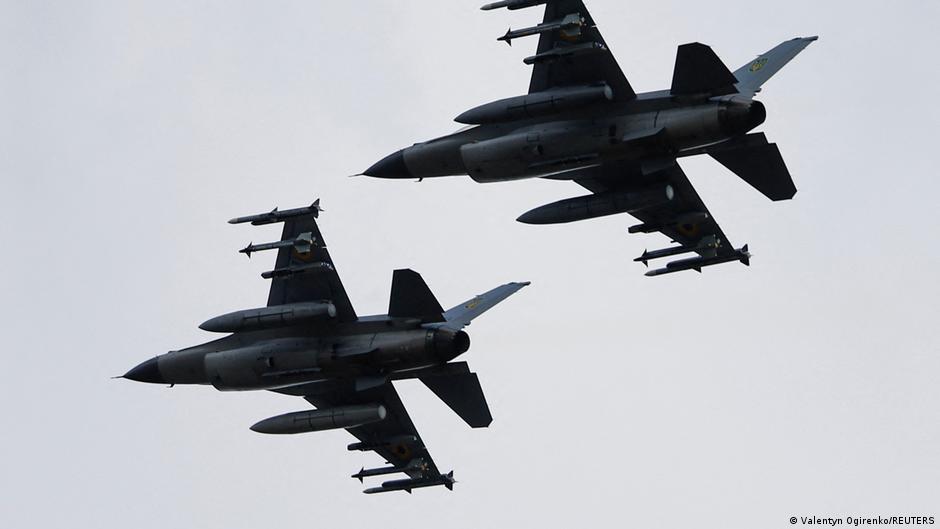
Ukraine’s Air Force lost its fourth F-16 fighter jet during combat; pilot survived. This highlights operational risks amid Western tech integration and affects the defense innovation ecosystem.
The UK will transfer IP rights for its Stone Cloak electronic warfare technology to Ukraine, enabling industrial-scale production and strengthening Ukraine’s defense innovation capacity.

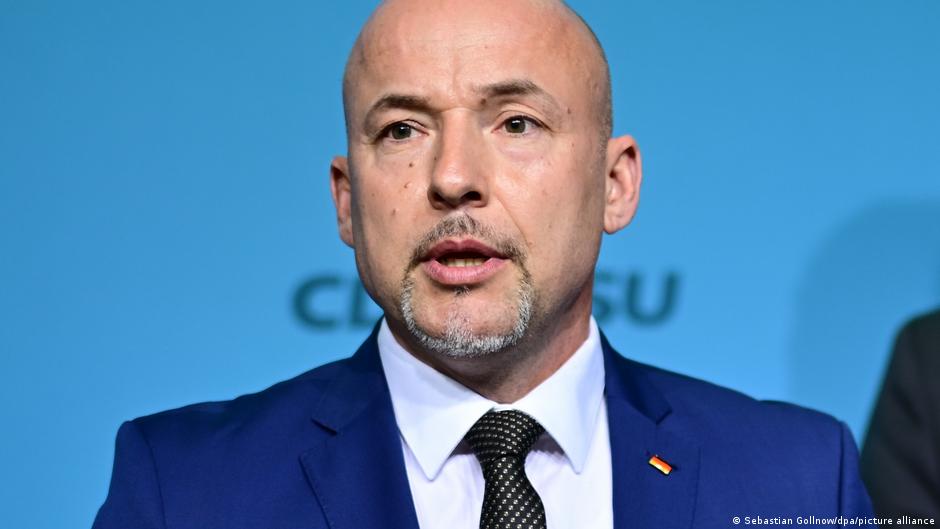
Germany's CSU leader urges Ukraine to share advanced drone technologies via an intergovernmental deal to boost German defense and support innovation in the defense tech sector.

The EU condemns Russian missile strikes on a Ukrainian drone exhibition and Latvian consulate, highlighting the growing importance of Ukraine's defense tech sector and potential for expanded sanctions.

US military deaths in the Iran conflict reach 17 amid escalating regional tensions and strategic military deployments, influencing the defense technology and innovation landscape.

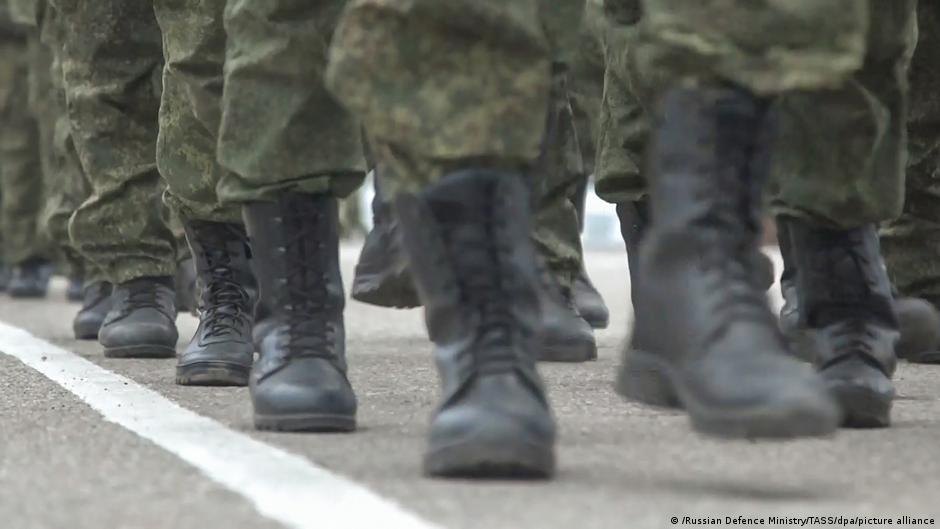
Russia proposes allowing individuals convicted of serious crimes to join military service contracts amid recruitment struggles, impacting defense and tech innovation sectors.

CIA Director John Ratcliffe reveals that AI-powered drones drastically reduce Russian soldier survival times in Ukraine, reshaping military tech and innovation landscapes.

Darlene Graham Norton appointed to Lindsey Graham’s Senate seat, securing Republican majority and continuity in policies affecting tech startups and defense innovation.

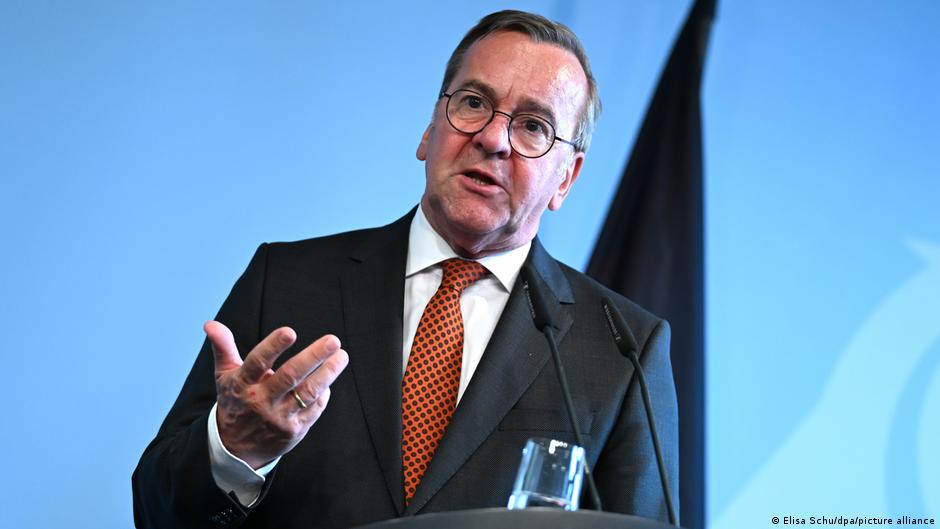
Germany announces a record €124.7 billion defense budget for 2026, boosting opportunities for defense tech startups and venture capital in Europe's innovation ecosystem.

Russian drone and missile attacks on Ukraine decreased significantly in June, raising questions about supply chain impacts and defense tech innovation amid ongoing conflict.

Finland lifts its nuclear weapons ban, signaling strategic shifts that influence its security landscape and foster growth in defense-related tech startups and venture capital investments.

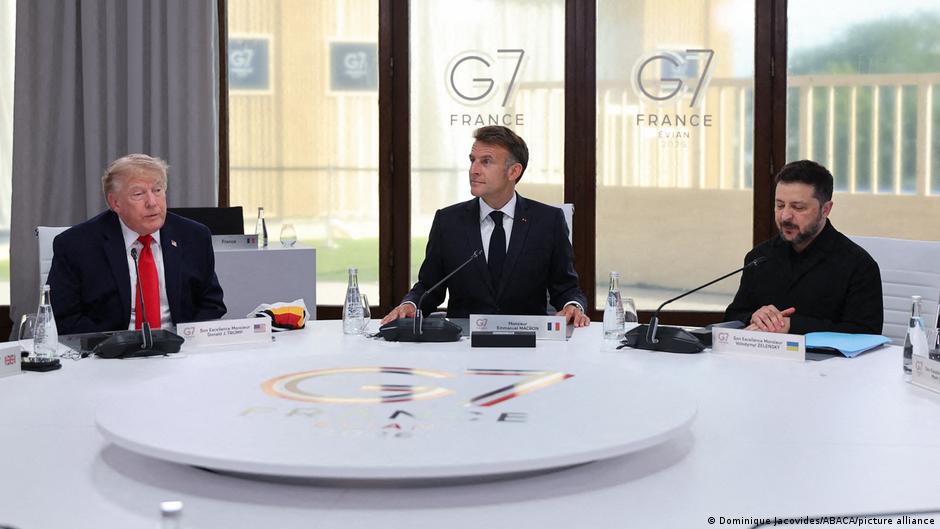
G7 nations vow intensified sanctions on Russia’s oil and gas sector and increased military aid to Ukraine, impacting global energy markets and defense tech innovation.

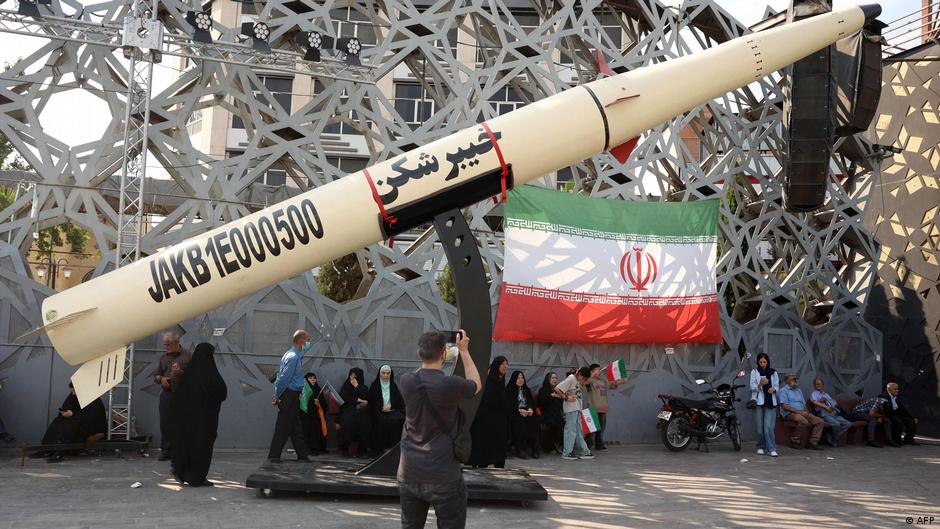
Iran restored much of its missile arsenal during a ceasefire, possibly aided by Russia, affecting regional security and defense technology ecosystems.

Germany allocates an additional €300 million to support the Czech ammunition initiative for Ukraine, funding 50,000 rounds and reinforcing European defense cooperation.

Ukraine apologized to Greece after a maritime drone with explosives was found near Lefkada, emphasizing the conflict's expanding regional security risks and implications for defense tech startups.

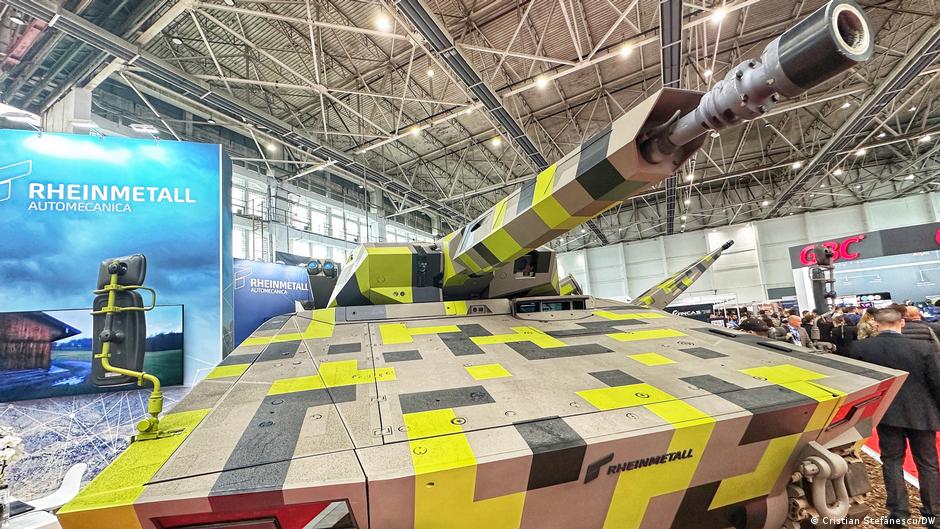
Rheinmetall signs a €5.7 billion deal with Romania, backed by the EU’s SAFE fund, to supply advanced military tech and invest in local defense manufacturing.

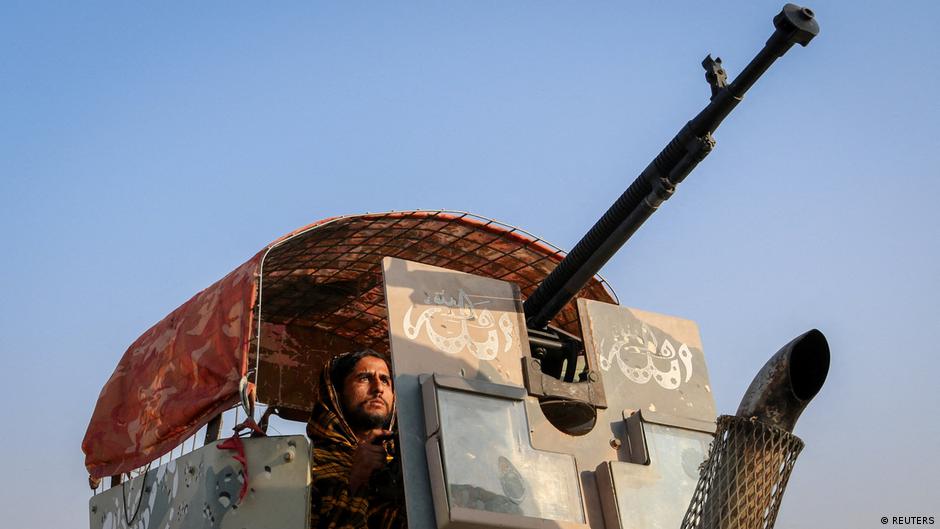
Russia and the Taliban signed a military-technical cooperation agreement, signaling potential arms transfers and impacting regional security and defense technology innovation.

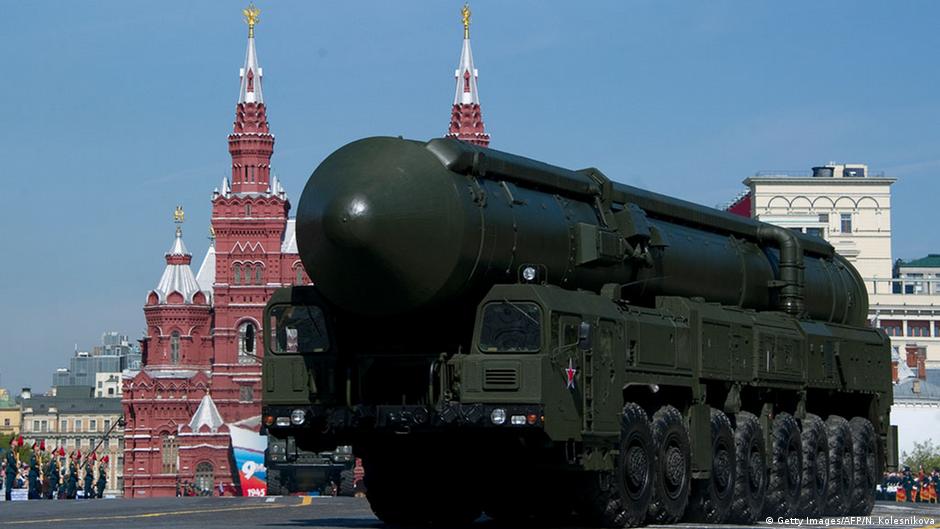
NATO uncovers Russia’s secret 'Skif' project deploying nuclear-capable missiles on the seabed, highlighting new strategic and technological challenges with potential impact on defense innovation.

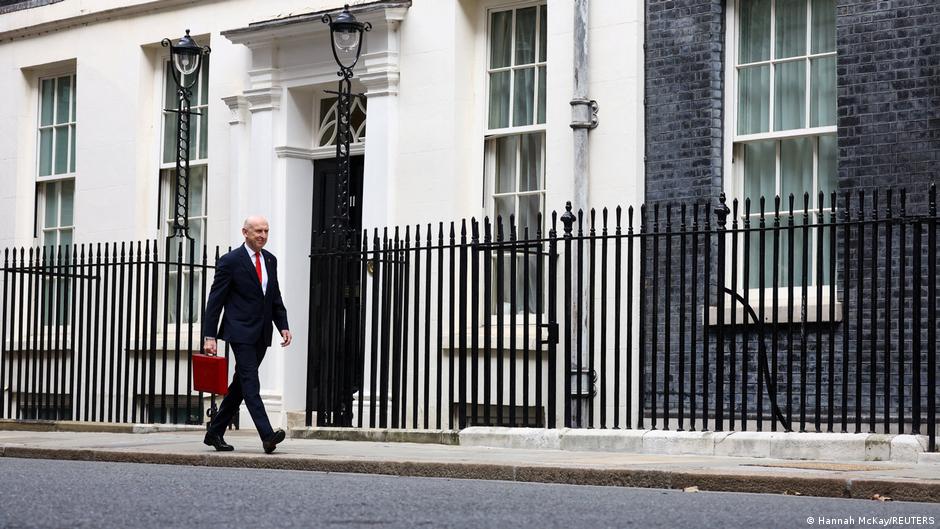
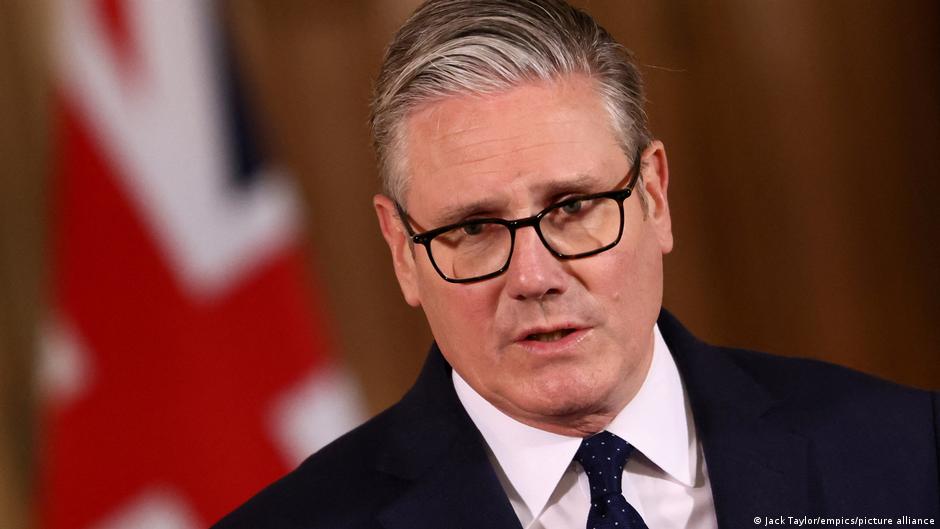
UK Prime Minister Keir Starmer plans an £18 billion boost to defense spending, potentially accelerating tech startup growth and venture capital interest in defense innovation.