Business
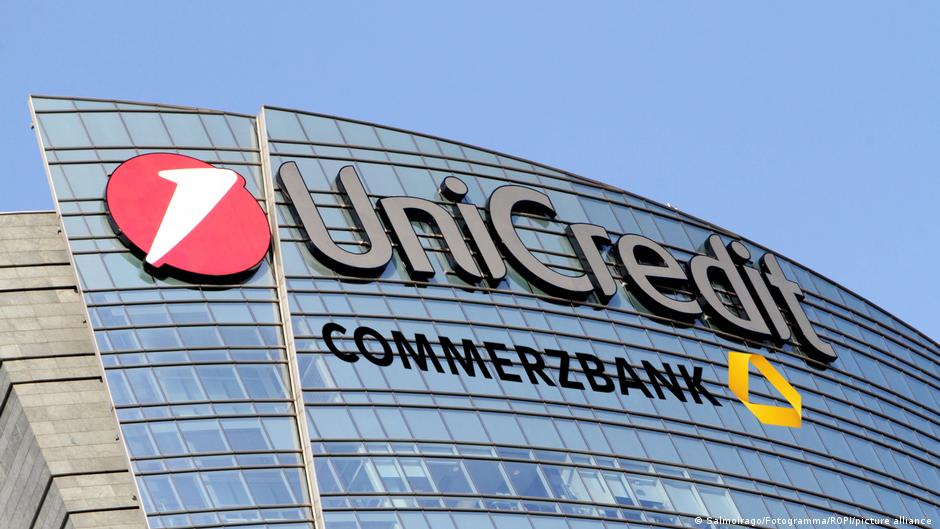
UniCredit Wins ECB Approval to Advance Commerzbank Takeover
ECB approval gives UniCredit a path to control Commerzbank, raising questions about startup finance, SME banking and cross-border consolidation.
Editorial Team · Oct 16, 2026
ECB approval gives UniCredit a path to control Commerzbank, raising questions about startup finance, SME banking and cross-border consolidation.
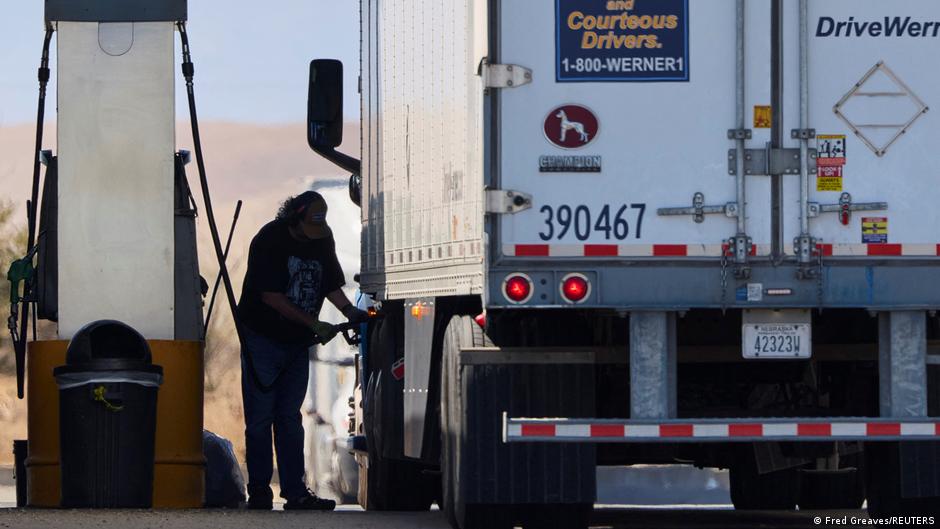
A bipartisan Senate group says Trump’s Russian diesel deal would aid the Kremlin while offering little fuel-price relief to Americans.

Germany’s long-term welfare data sharpen debate over labor activation, skills gaps and startup talent supply.
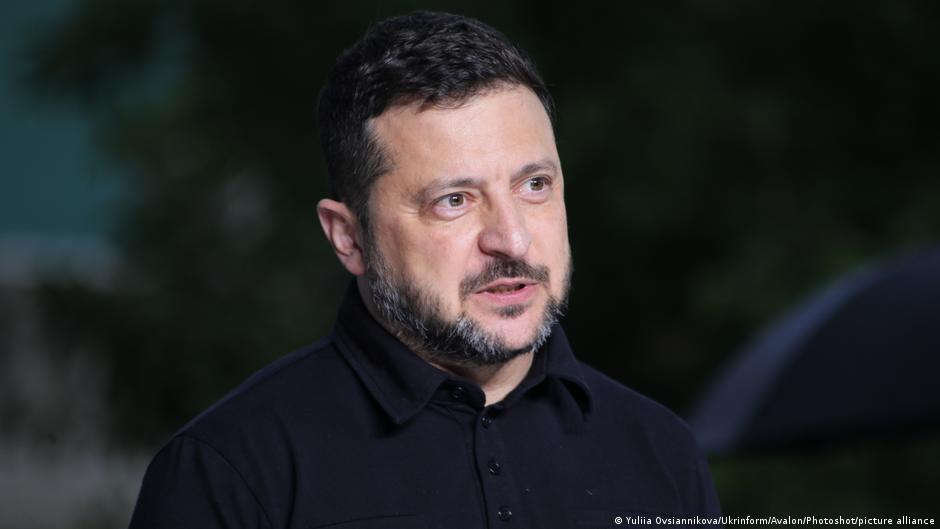
Zelensky warned that a U.S.-Russia diesel arrangement could weaken sanctions pressure and prolong risks for Ukraine’s tech and investment ecosystem.
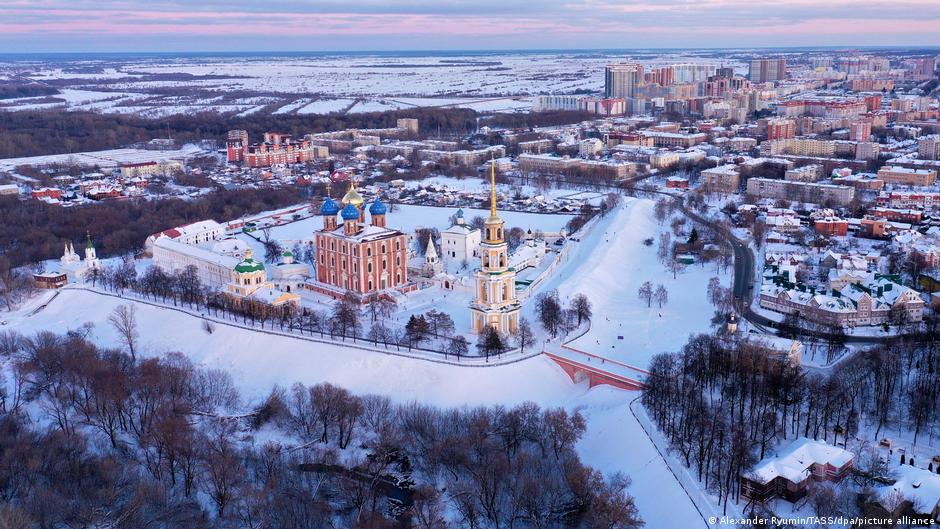
Astra reported a fire at a Ryazan-region plant hosting a Yandex data center, spotlighting cloud infrastructure risk for startups and investors.

A tanker fire off Sochi underscores Black Sea security risks for maritime tech, logistics startups, insurers and investors.

Western embassy relocation planning adds new geopolitical and infrastructure risk for Ukraine’s startup and venture ecosystem.
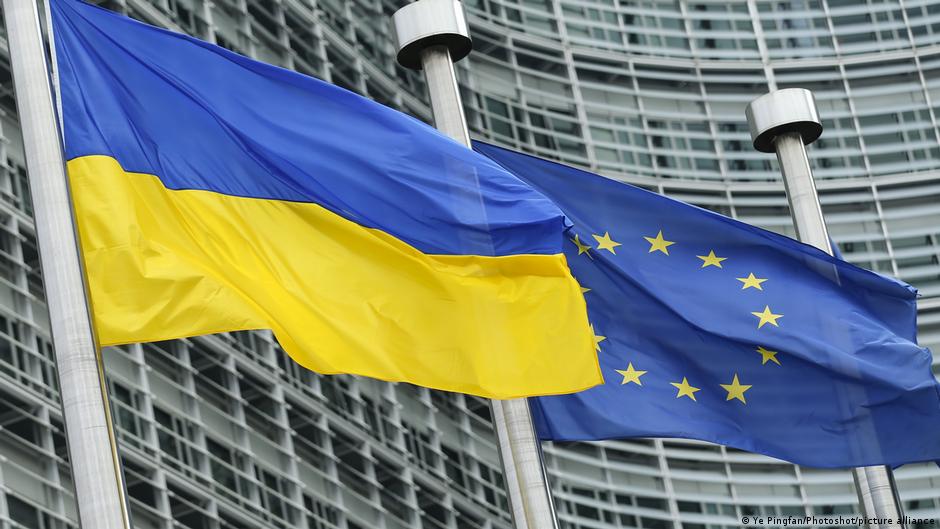
The EU refused early disbursement of Ukraine’s €90 billion loan, keeping pressure on funding talks that affect startups and investors.
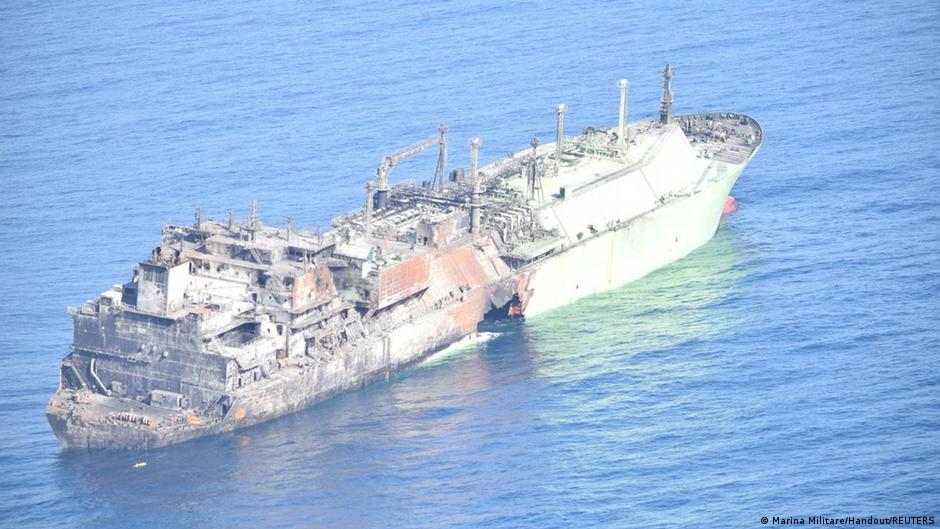
CREA says Russia’s ship registry grew 36% as shadow-fleet pressure intensified, raising compliance and risk issues for energy tech startups.
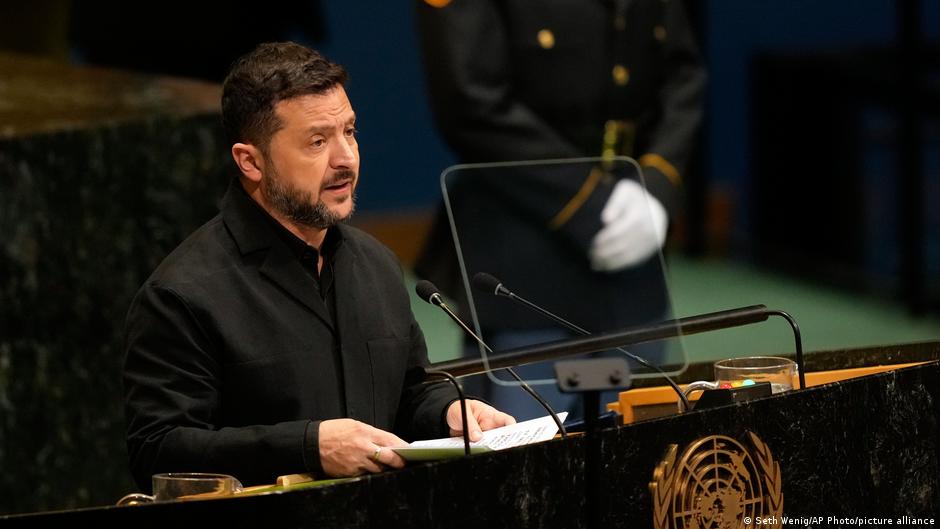
Zelenskyy told the UN that Putin is spreading the idea of war, warning of risks to energy security, AI and the wider innovation economy.
The Chemmani mass grave investigation has renewed scrutiny of Sri Lanka’s wartime accountability and the rule-of-law risks facing investors.
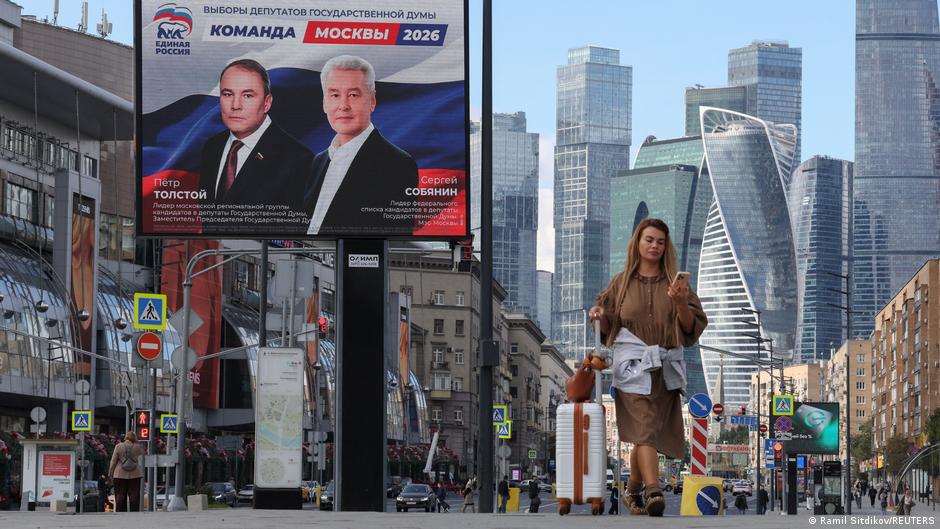
United Russia’s projected Duma majority signals policy continuity for Russian tech startups, state-backed innovation and domestic M&A.
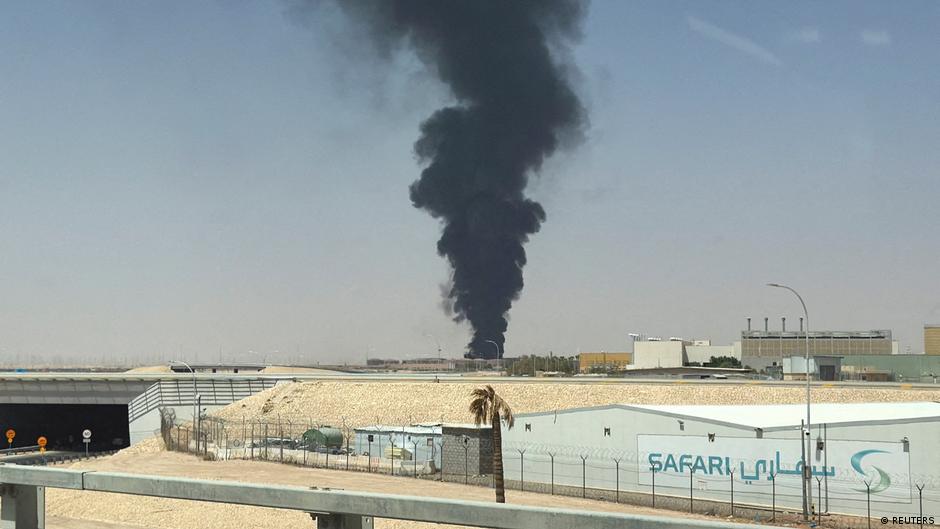
Saudi Arabia said it intercepted a Houthi ballistic missile aimed at Riyadh, adding security risk for Gulf startups, VCs and energy-linked tech.
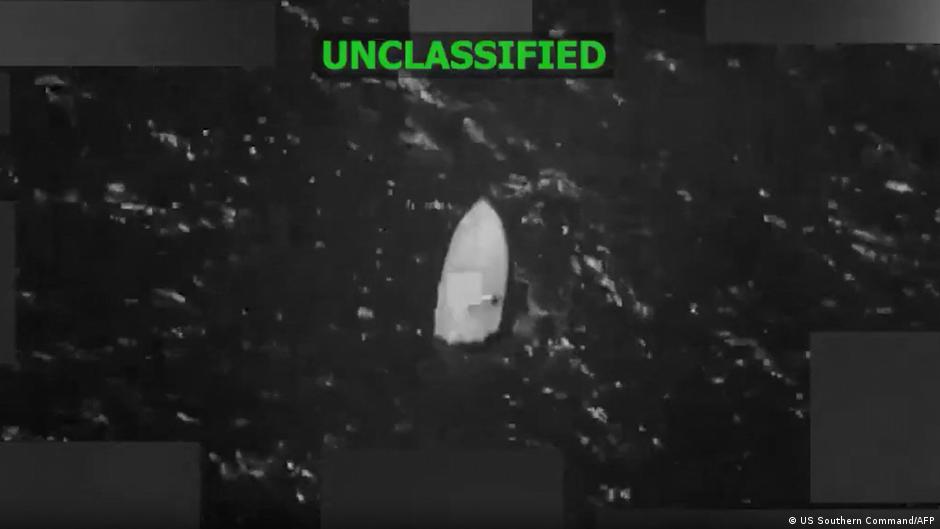
A U.S. Caribbean strike killing four people adds risk signals for startups and VCs in maritime tech, fintech compliance and defense-adjacent markets.
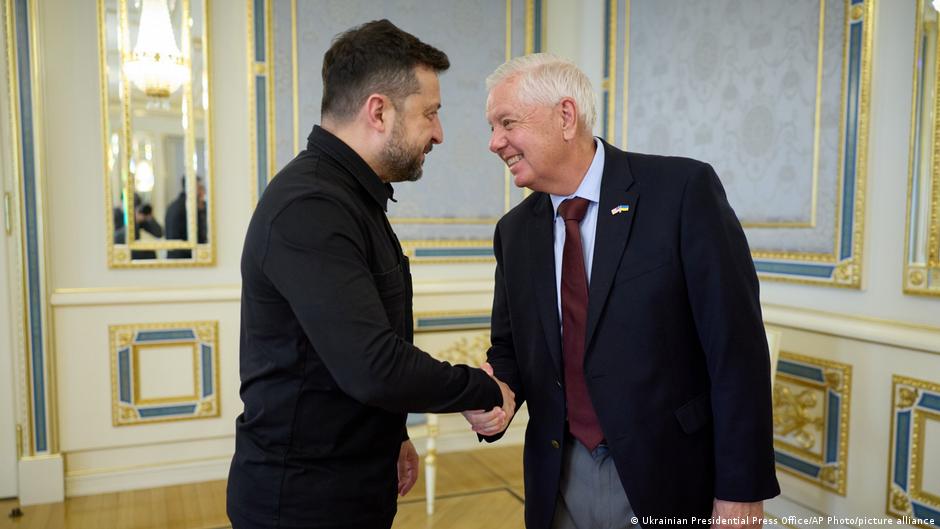
Trump signed the Graham sanctions bill, creating new tariff and sanctions risks for energy-linked markets, startups and investors.
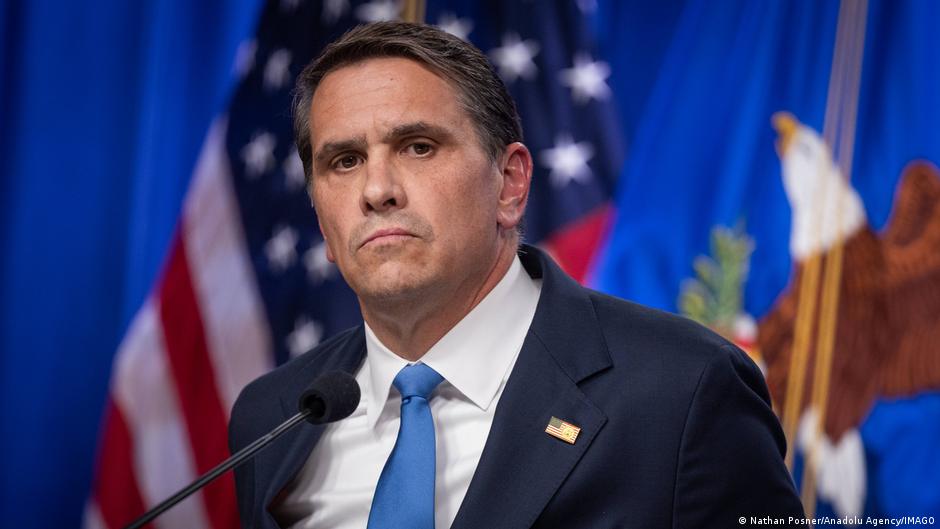
U.S. charges tied to RIS Network highlight rising geopolitical and compliance risks for startups, investors and cross-border tech deals.
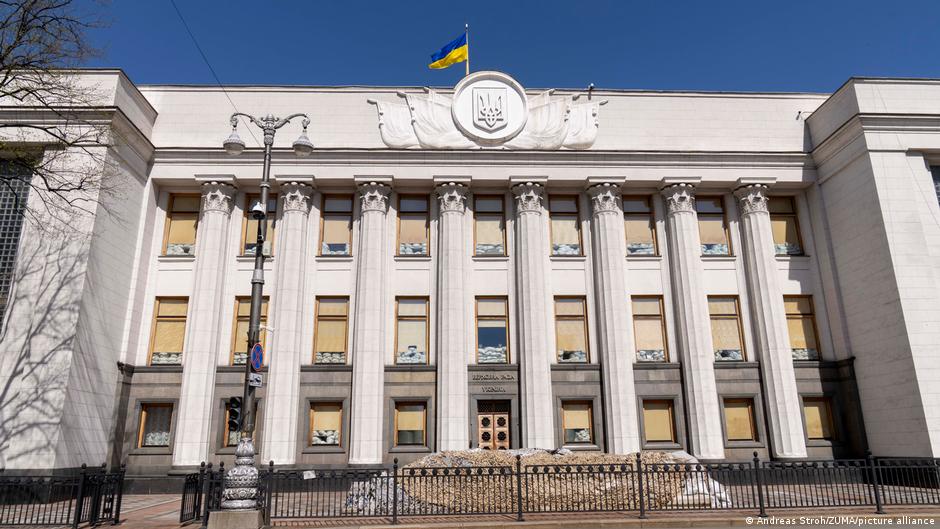
Ukraine’s parliament will consider seven difficult bills tied to Western aid, with implications for defense tech, startups and investor confidence.
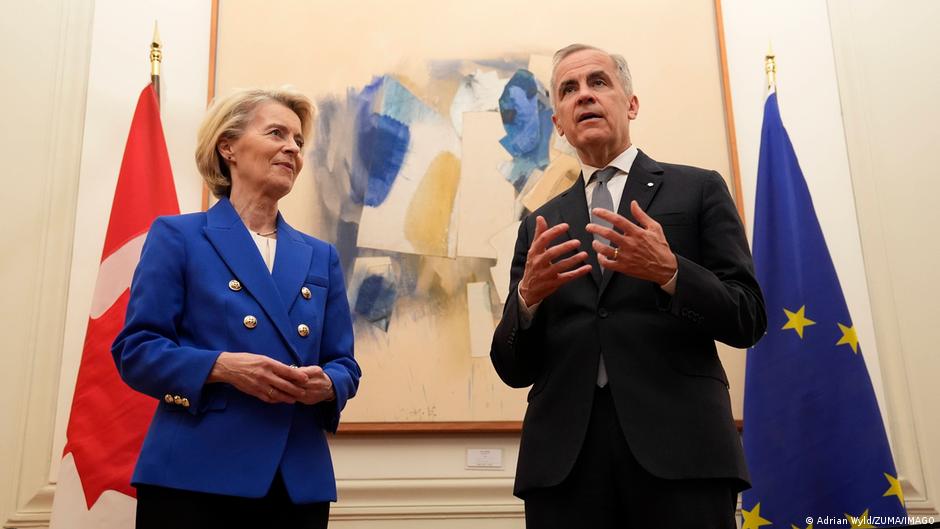
Canada is negotiating to join the EU’s €90 billion Ukraine loan as Ottawa pursues closer European ties in AI, digital trade and defense innovation.
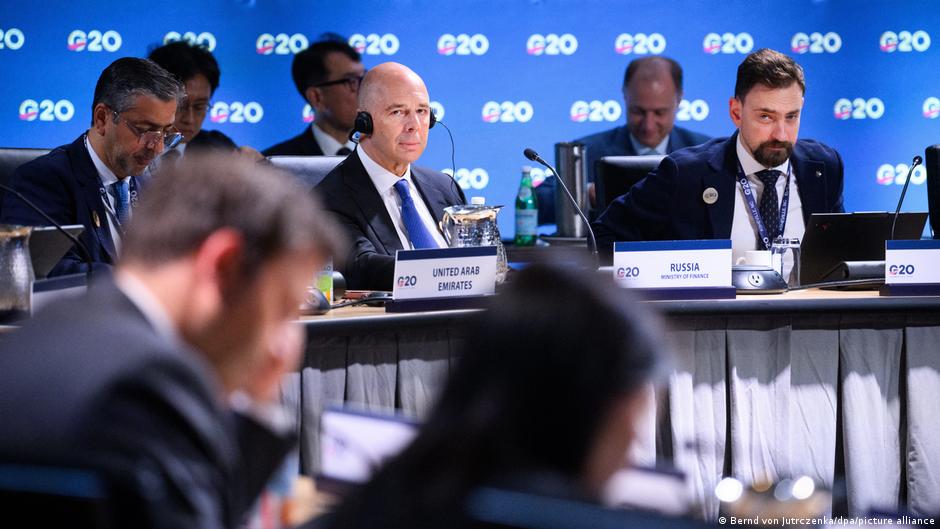
Russia is expected at the G20 energy meeting in Houston, putting energy security and sanctions risk in focus for startups and investors.
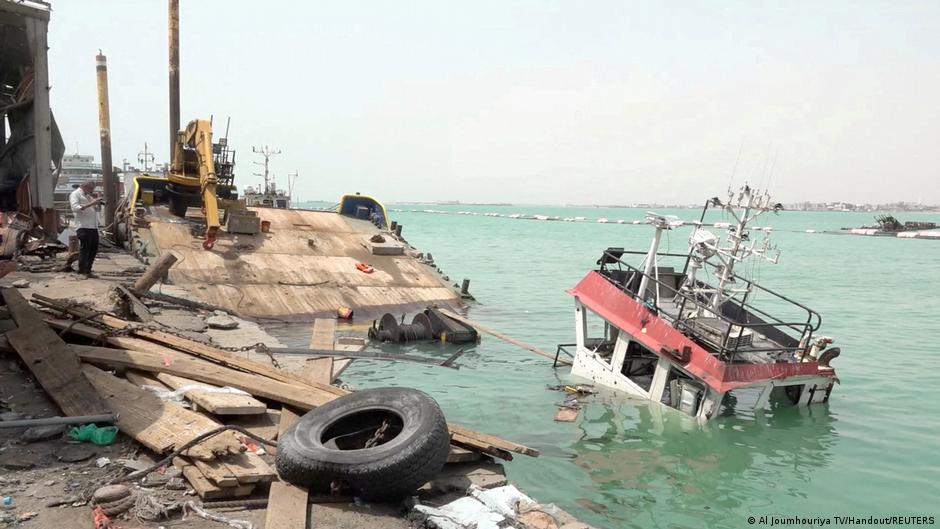
Houthi control near Bab el-Mandeb could raise oil and shipping risks, pressuring startups exposed to energy costs and global supply chains.
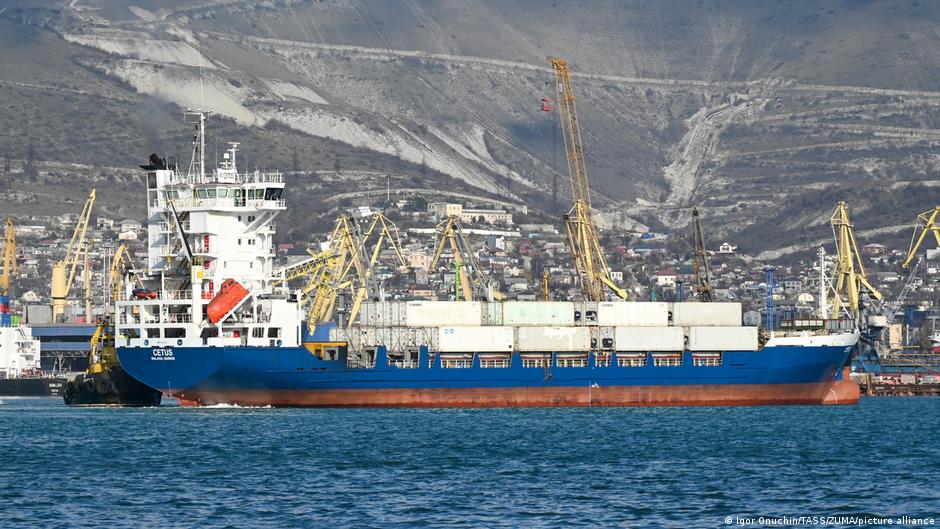
A drone attack on Novorossiysk reportedly set a fuel oil terminal ablaze, raising supply-chain risk for startups and investors exposed to trade infrastructure.
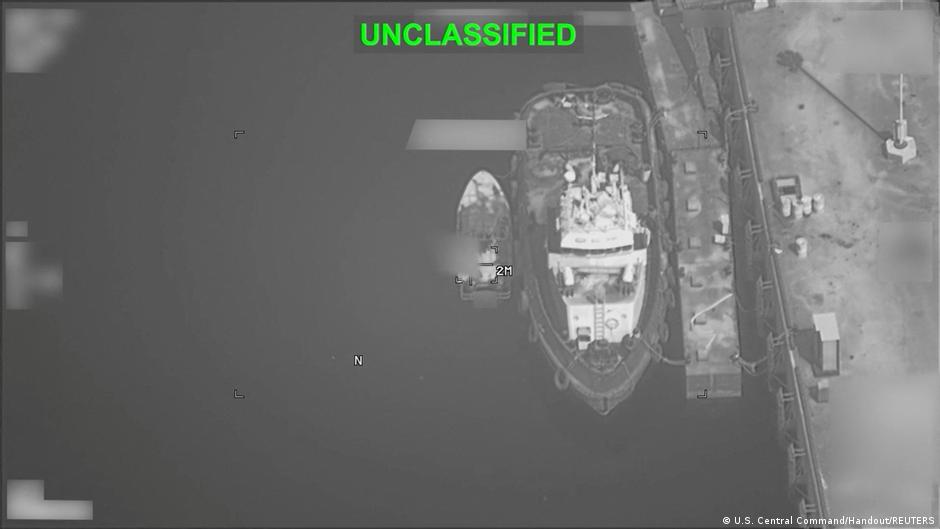
CENTCOM said it destroyed five Iranian tankers after missile attacks, raising energy, logistics and defense-tech risks for startups and VCs.
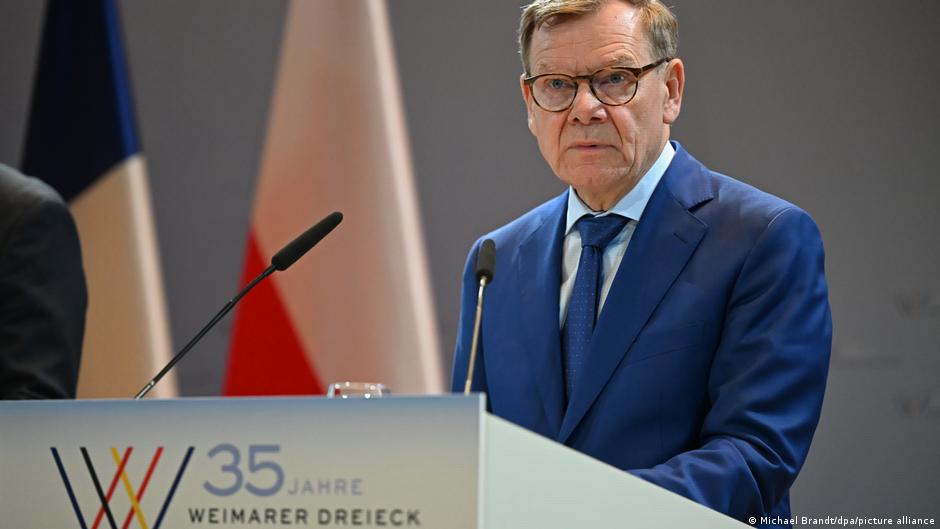
Germany’s foreign minister says German defense firms should benefit from Berlin’s support for Ukraine, signaling procurement stakes for defense tech startups.
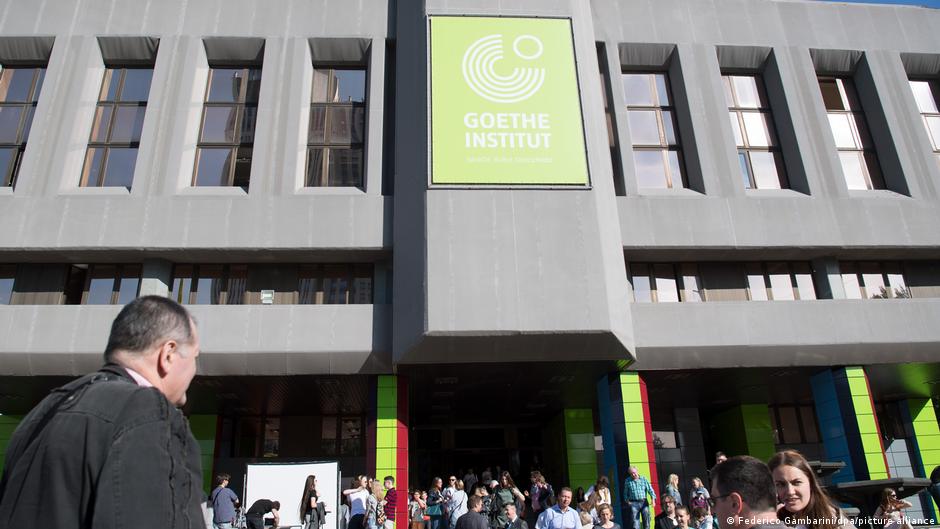
Russia says it will shut Goethe-Institut branches after Germany scraps a Berlin agreement, deepening pressure on cross-border innovation links.
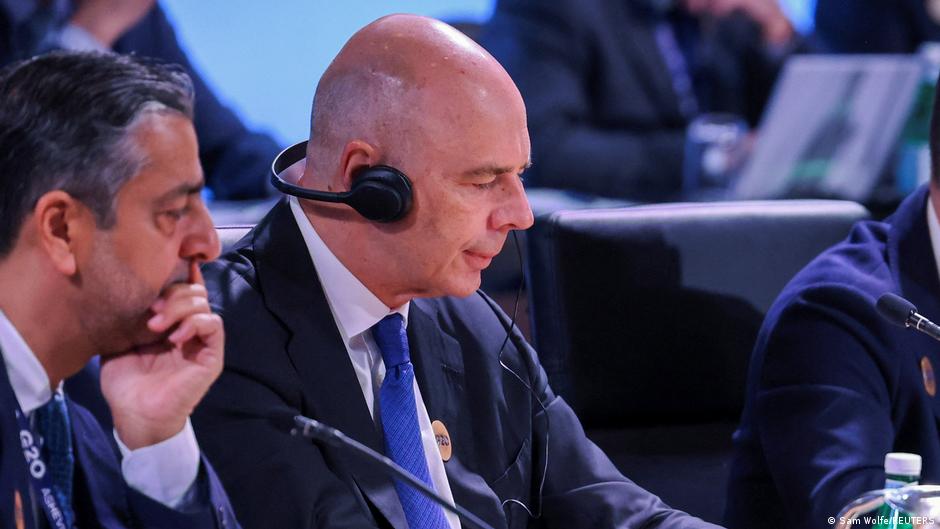
Reuters reported that the US told Russia not to expect sanctions relief before the war in Ukraine ends, reinforcing risk for startups, investors and cross-border deals.
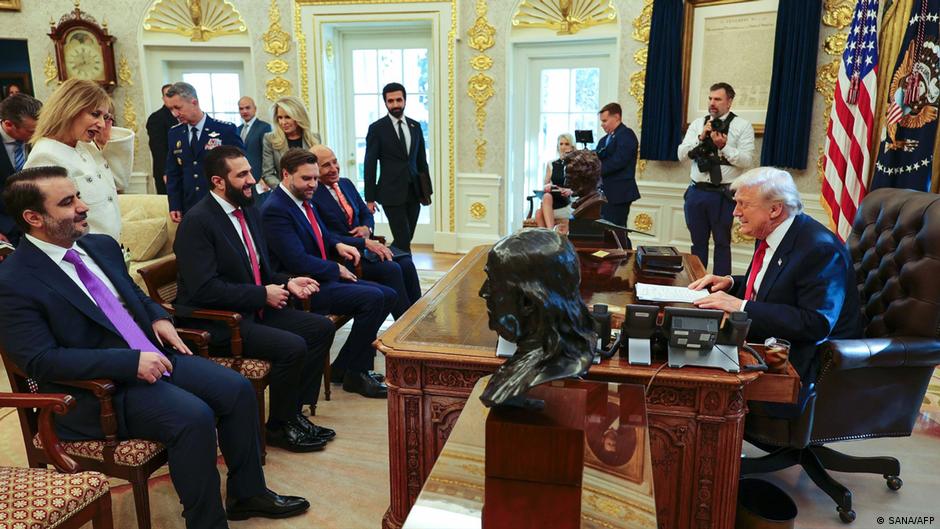
The US delisting of Syria as a terrorism sponsor opens pathways for investment and technology integration, potentially revitalizing Syria’s startup ecosystem amid ongoing geopolitical complexities.

Revocation of international TLS/SSL certificates disrupts access to major Russian banks through global browsers, impacting fintech startups and digital finance innovation.
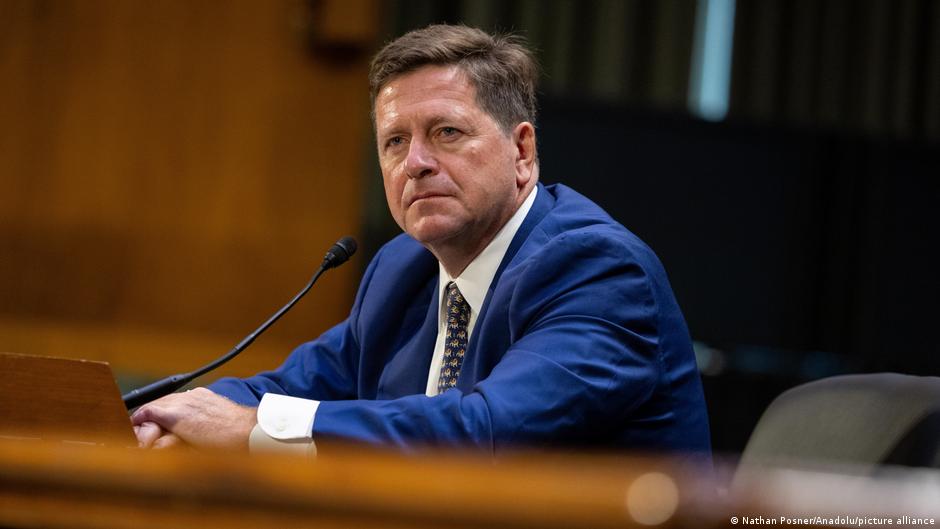
Jay Clayton, former SEC chairman and federal prosecutor, confirmed as US National Intelligence Director amid bipartisan concerns over his lack of intelligence experience.

Russia's oil and gas revenues for July could rise 60% year-on-year amid higher global prices, offering mixed effects on the nation’s tech startups and venture capital ecosystem.
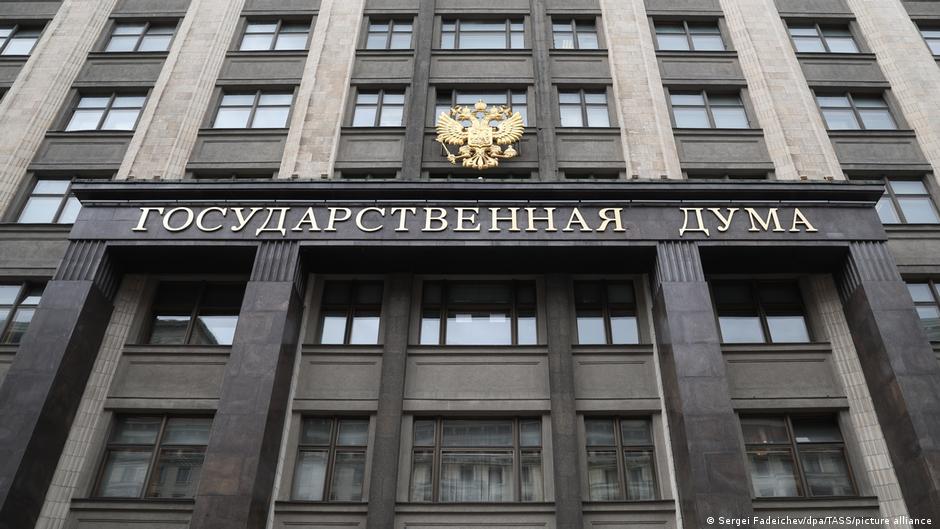
Russia revises its fuel dampener system and exchange sale rules to stabilize domestic fuel prices and support key sectors, impacting oil producers and importers.
The IMF approved a €604 million disbursement to Ukraine under the EFF program, supporting economic stability amid delays in key reforms impacting the country's innovation ecosystem.
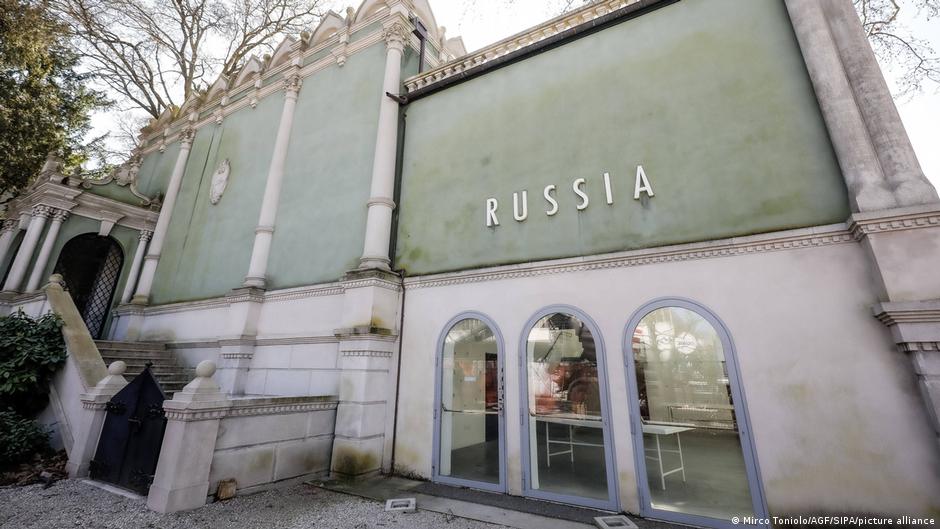
The European Commission recommends withholding €2M funding from the Venice Biennale due to Russia's participation, raising implications for cultural funding and the tech innovation ecosystem.
Uzbek aluminium producer AKFA Aluminium plans its first international bond issuance, engaging global investors to boost transparency and growth.
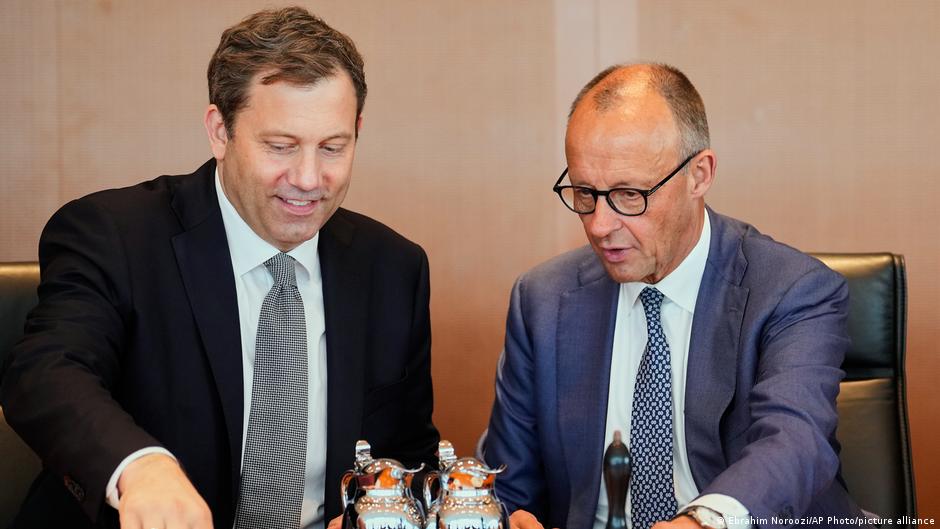
Germany’s 2027 budget raises defense spending and borrowing, sparking concerns about reduced funding for tech startups and innovation amid fiscal pressures.
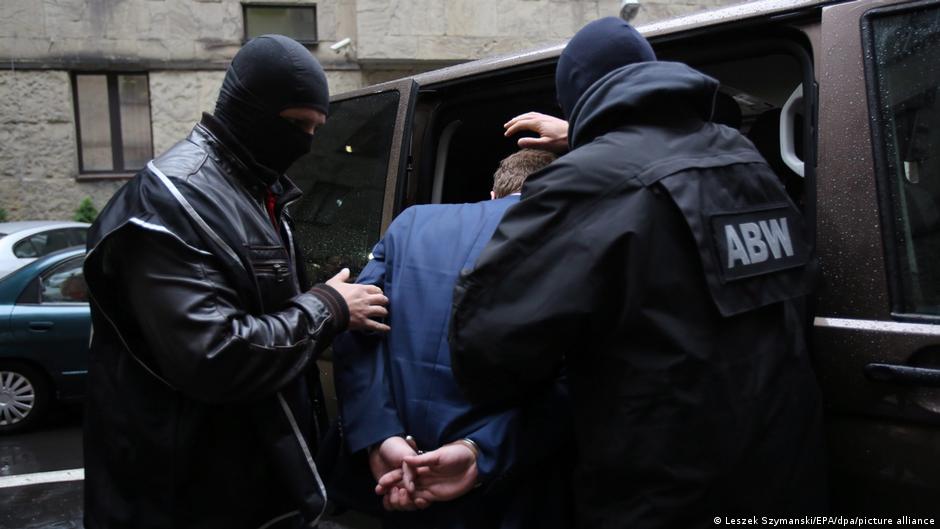
Poland expelled 11 individuals accused of recruiting Ukrainian refugees for protests funded by Russia, raising concerns about foreign interference in the region's social and innovation ecosystems.
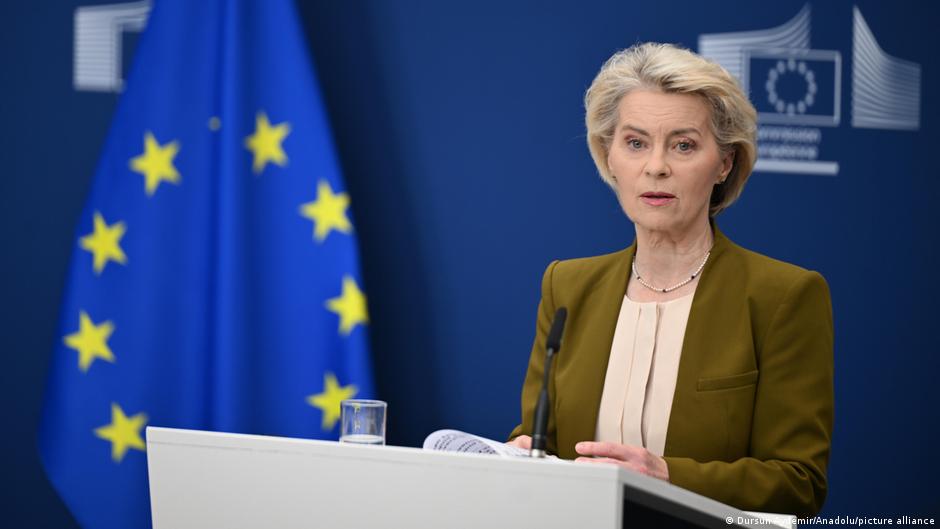
Italy and France express concerns that the EU’s proposed ban on Russian combatants’ entry may unintentionally extend to all Russians, complicating sanctions enforcement amid ongoing conflict.
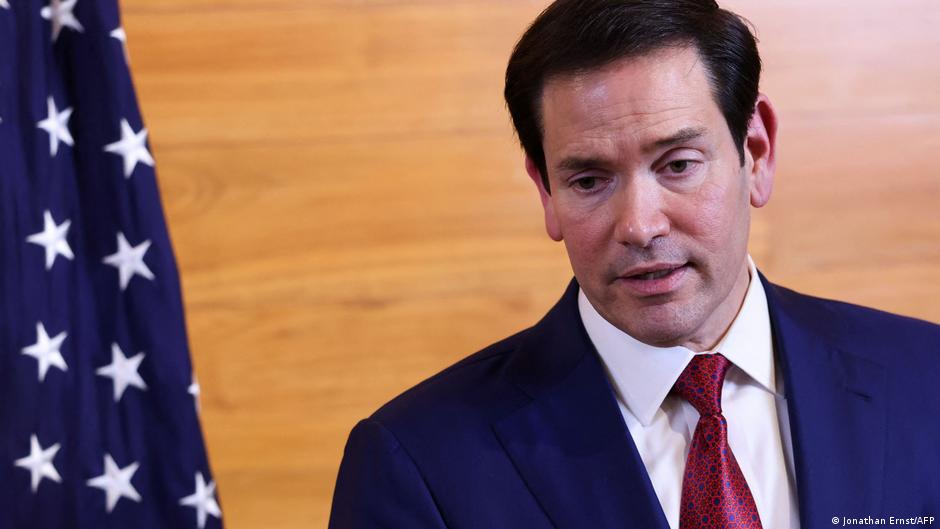
The US imposed sanctions on Cuban state-owned companies controlling 40% of GDP, affecting foreign investment and the tech startup ecosystem amid escalating tensions.
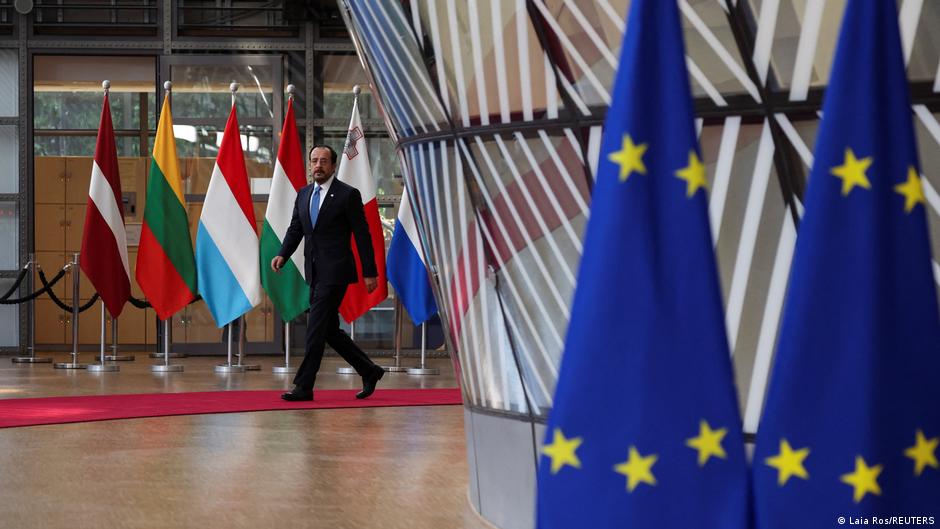
The EU has agreed to extend sanctions against Russia for a full year, affecting economic relations and creating new dynamics for tech startups and venture capital in Europe.

The US has ended its blockade of the Strait of Hormuz, initiating negotiations with Iran that open pathways for energy supply stability and renewed venture capital opportunities in the Middle East.
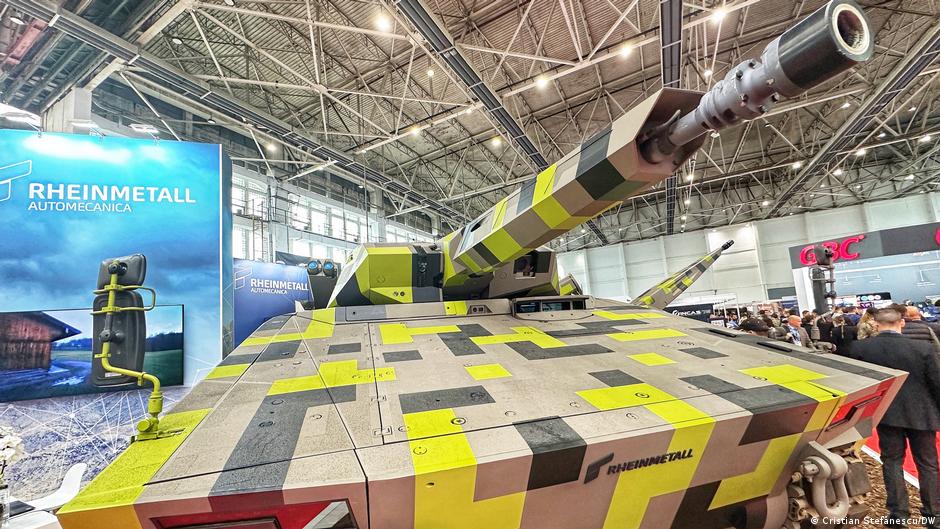
Rheinmetall signs a €5.7 billion deal with Romania, backed by the EU’s SAFE fund, to supply advanced military tech and invest in local defense manufacturing.
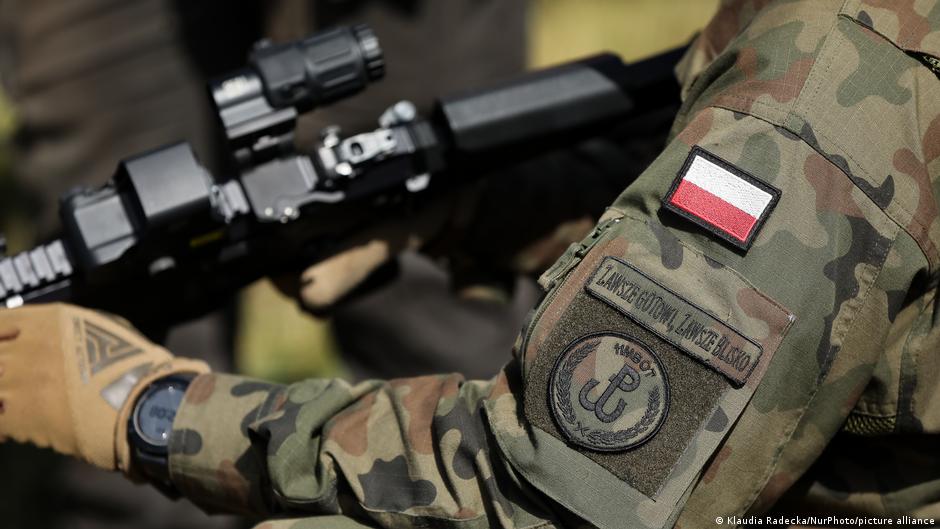
Poland signs a nearly €44 billion EU loan agreement under the SAFE program, boosting defense industry funding and tech innovation despite presidential veto concerns.
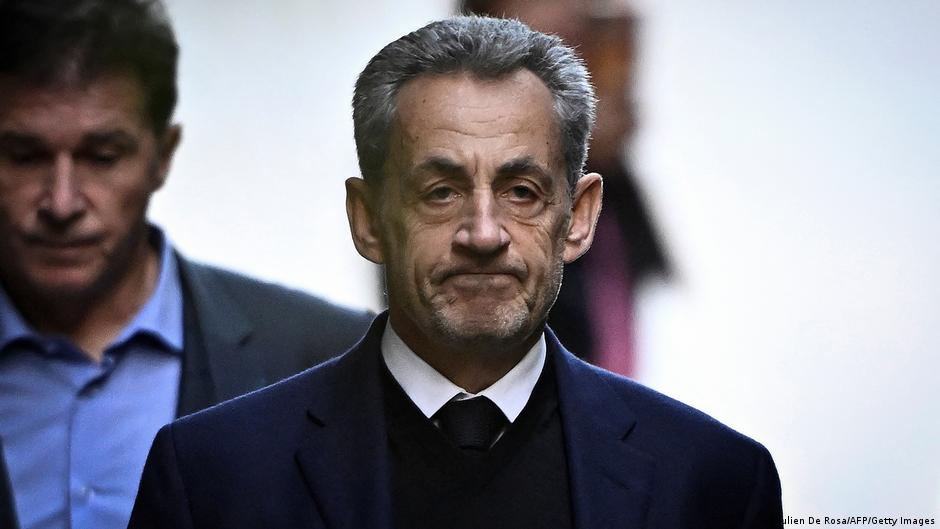
Former French President Nicolas Sarkozy has been granted conditional early release related to his 2012 campaign finance violations, easing his prison sentence.
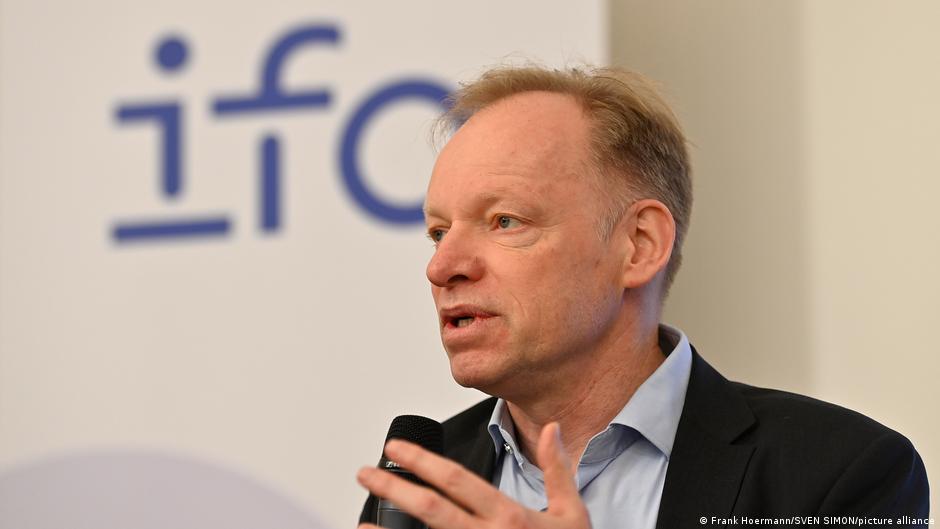
Munich’s ifo Institute warns that US tariff hikes on EU cars risk triggering a German recession by 2026, threatening automotive and tech startup sectors.

Uzbekistan’s halt in gold exports has caused a near 30% drop in exports, reshaping trade dynamics and impacting venture capital and startup opportunities in the region.
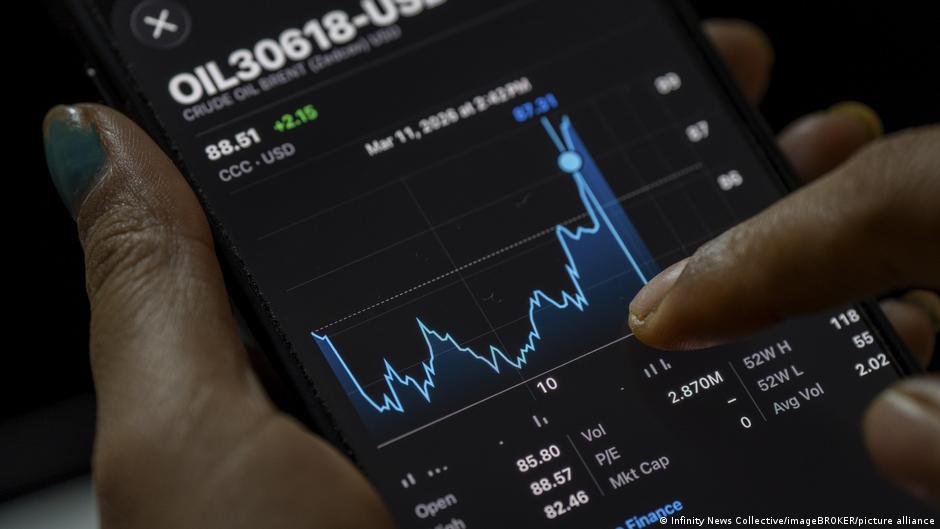
US-Iran tensions drive oil prices above $119 per barrel, impacting operational costs and venture capital funding for tech startups amid geopolitical uncertainty.