Russia-Flagged Ship Registry Growth Adds New Risk Layer for Energy Tech
CREA says Russia’s ship registry grew 36% as shadow-fleet pressure intensified, raising compliance and risk issues for energy tech startups.

CREA says Russia’s ship registry grew 36% as shadow-fleet pressure intensified, raising compliance and risk issues for energy tech startups.

US-Iran talks at the UN may reshape risk assumptions for startups, VC firms and tech acquirers exposed to sanctions, energy and shipping volatility.

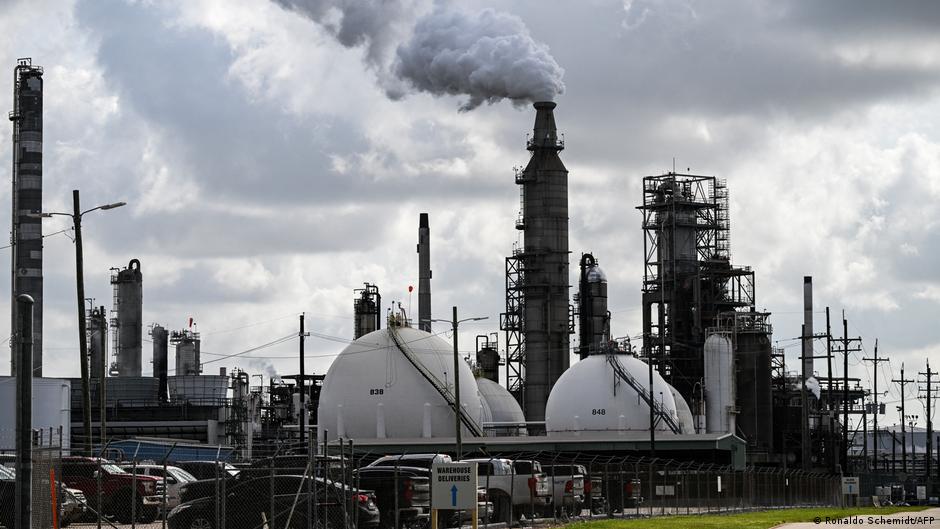
A Saudi pipeline outage could cut global oil supply by 4%, affecting energy prices, startup costs, VC sentiment and infrastructure-tech demand.

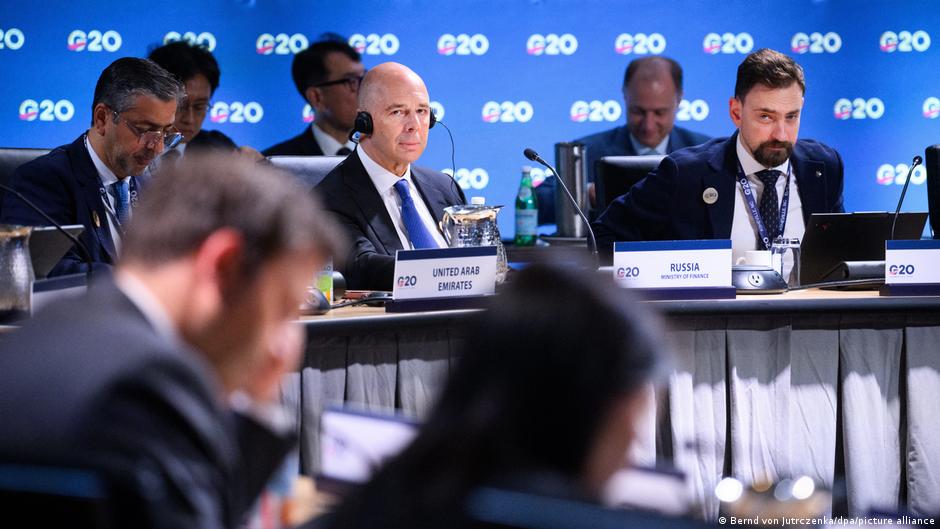
Russia is expected at the G20 energy meeting in Houston, putting energy security and sanctions risk in focus for startups and investors.

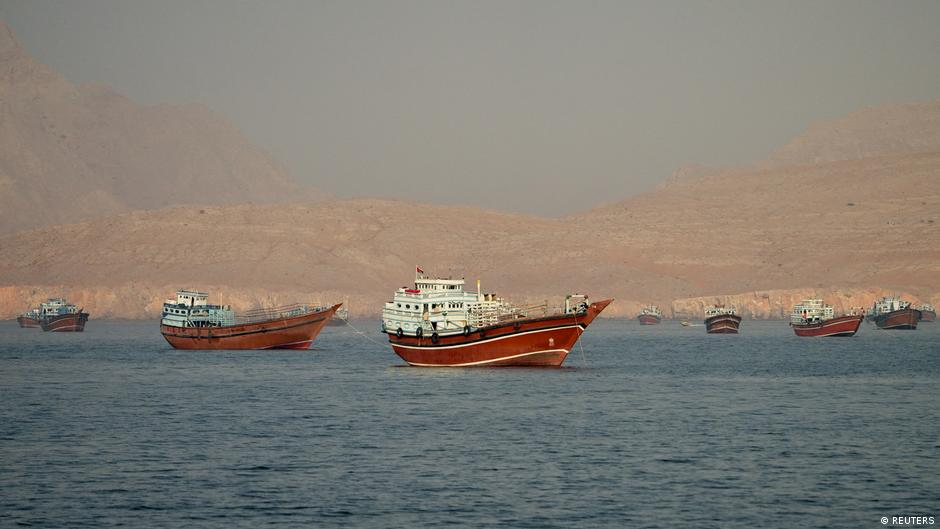
US-Iran tensions and Oman's strategic role threaten Gulf stability, potentially impacting venture capital and the growth of tech startups in the Middle East.

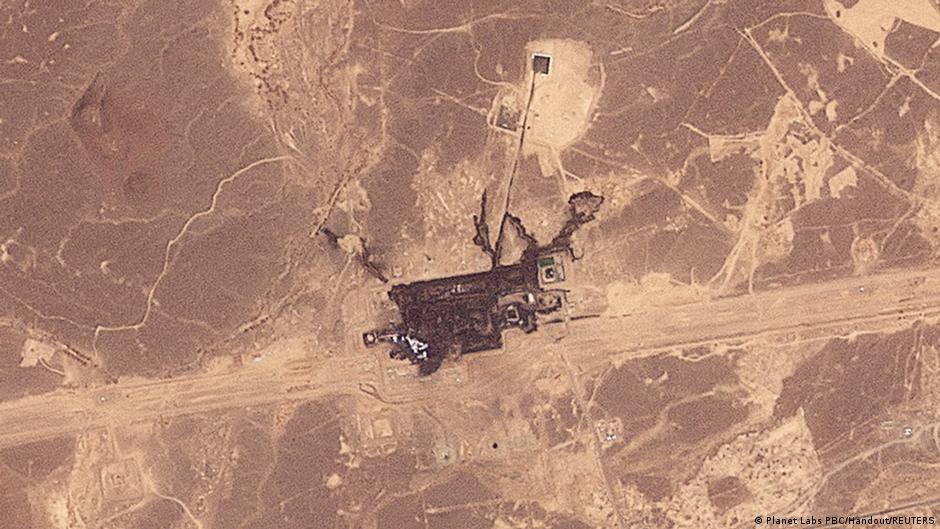
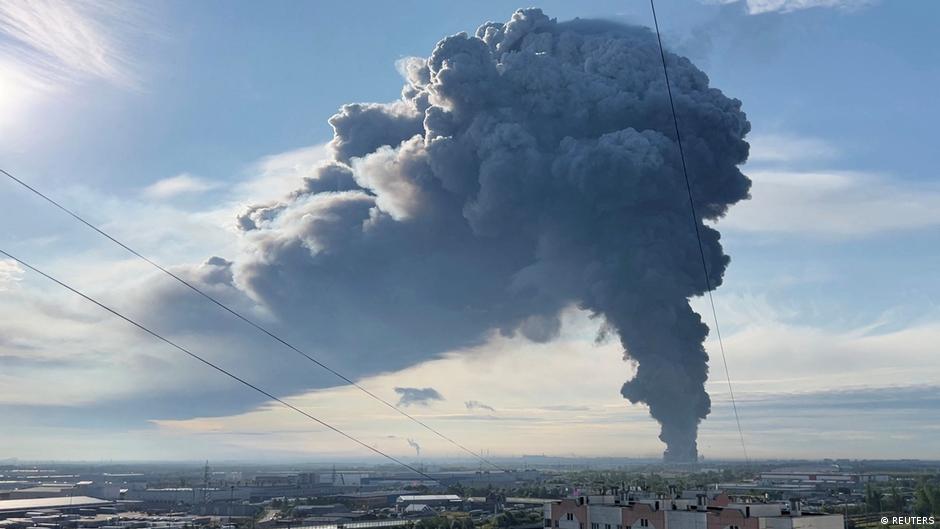
The Ukrainian Security Service has conducted a 40-day operation targeting over 100 Russian strategic sites, including military and energy infrastructure, aiming to weaken Russia’s war capacity.

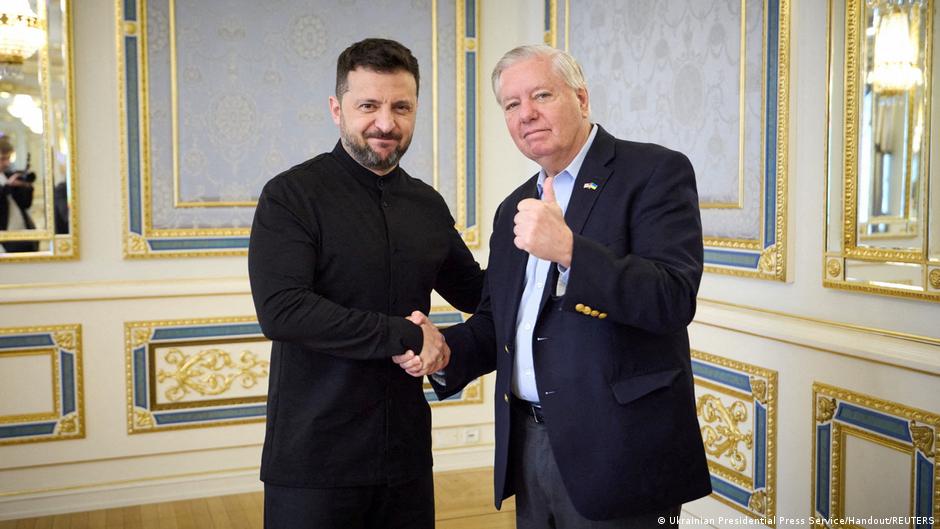
The US Senate advances a sanctions bill empowering steep tariffs on Russia and allies, impacting tech startups and venture capital investment tied to energy and international markets.

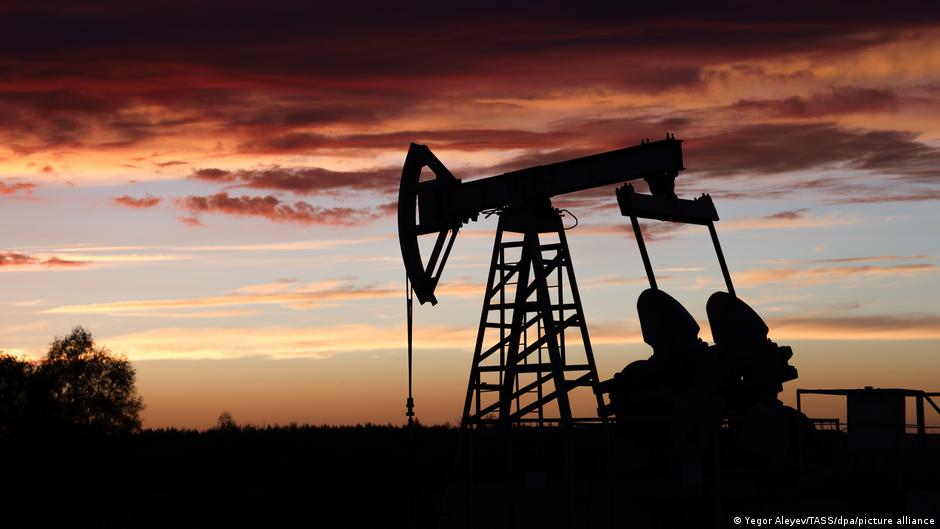
Russia's oil and gas revenues for July could rise 60% year-on-year amid higher global prices, offering mixed effects on the nation’s tech startups and venture capital ecosystem.

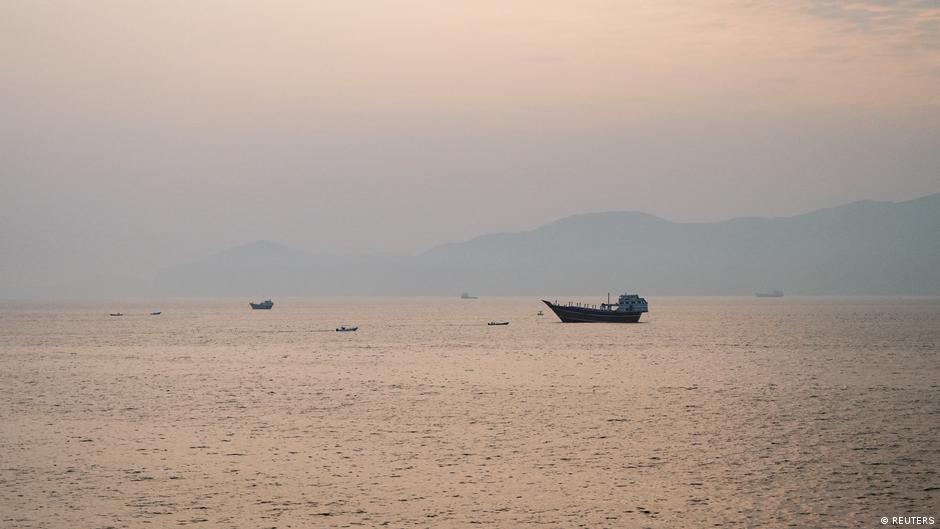
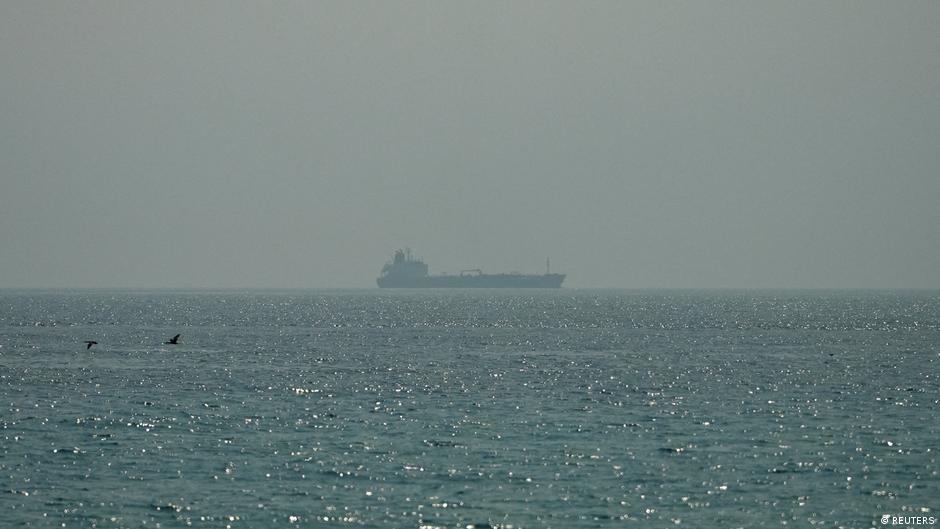
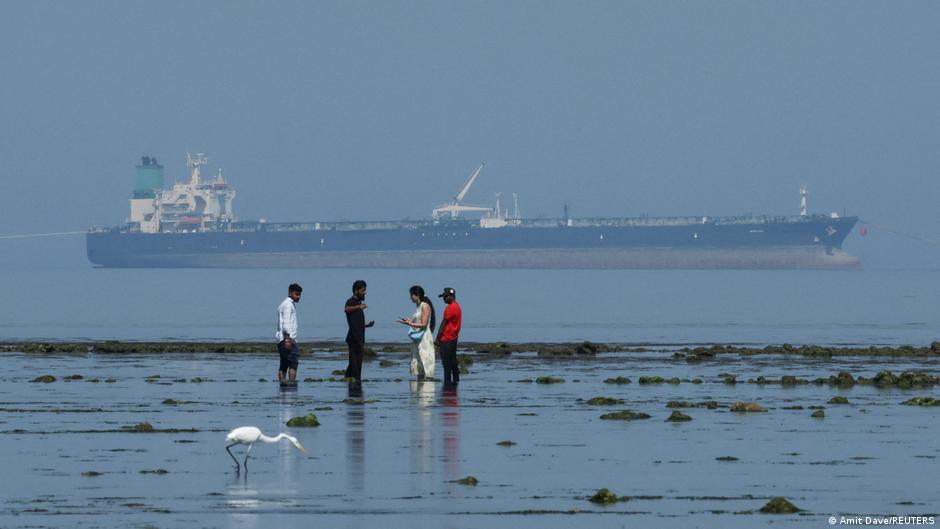
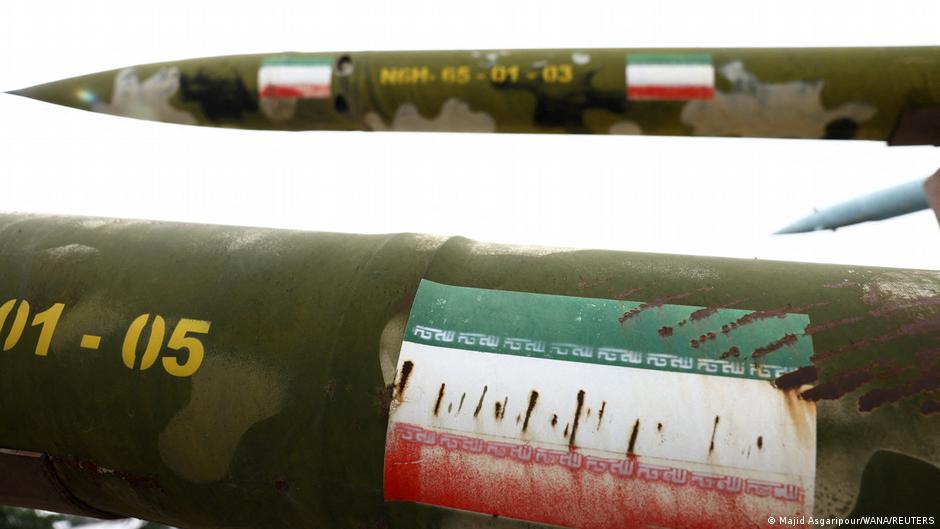
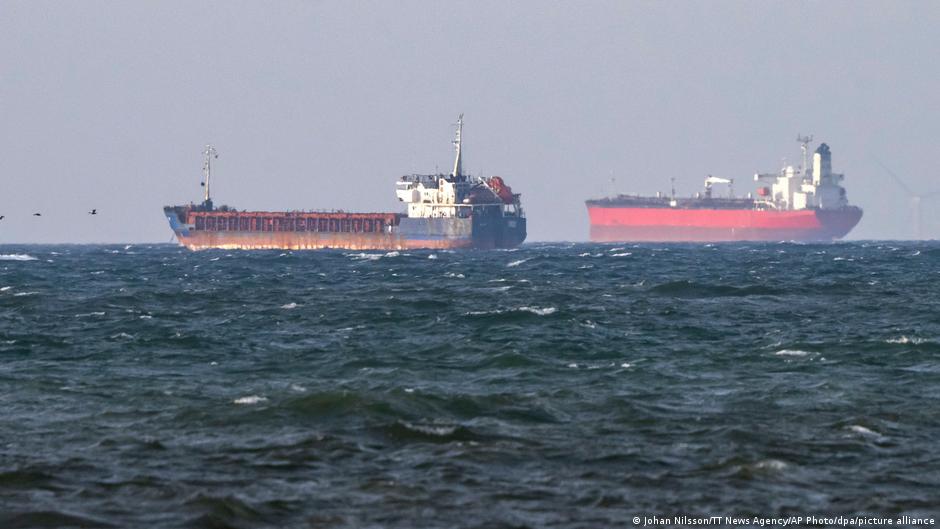
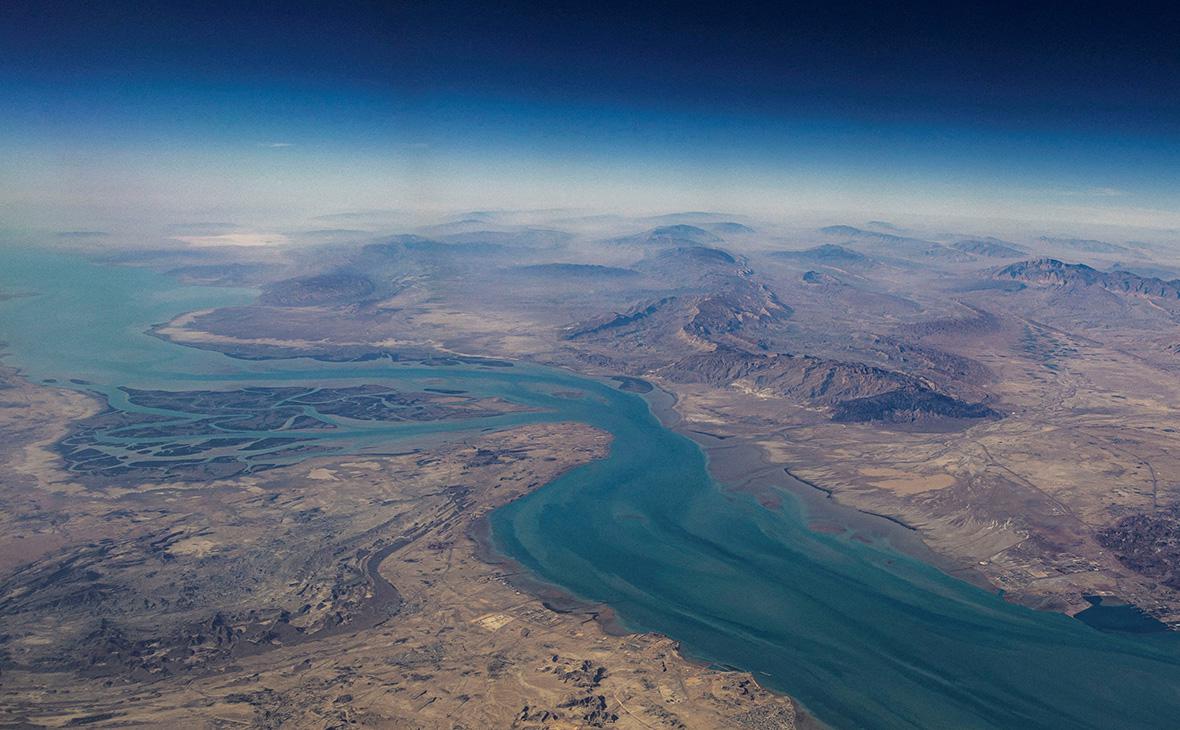
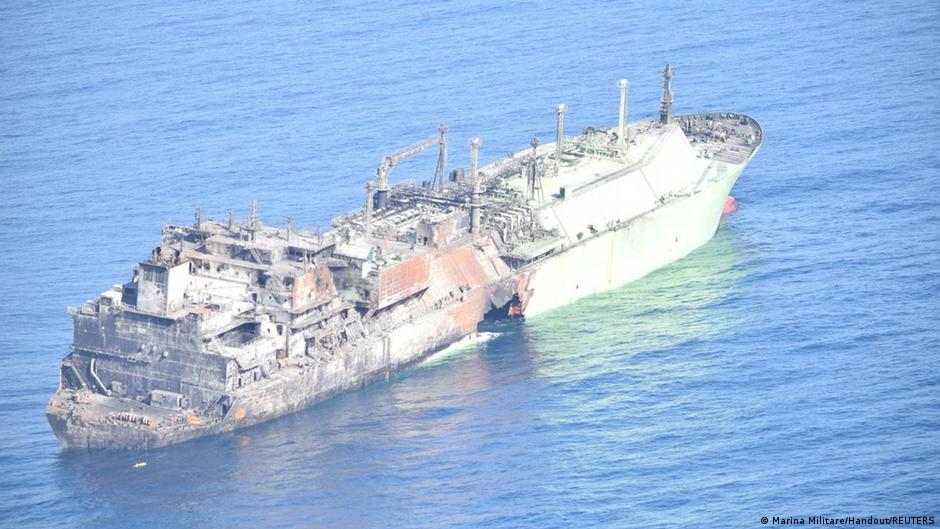
Iran's IRGC mined an oil tanker in the Strait of Hormuz, escalating maritime tensions and impacting global energy logistics and maritime security technology ventures.

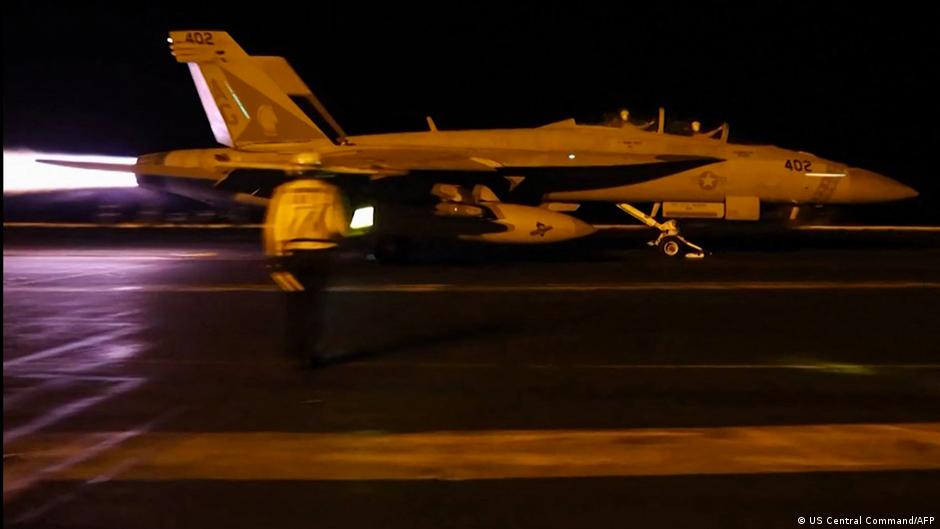
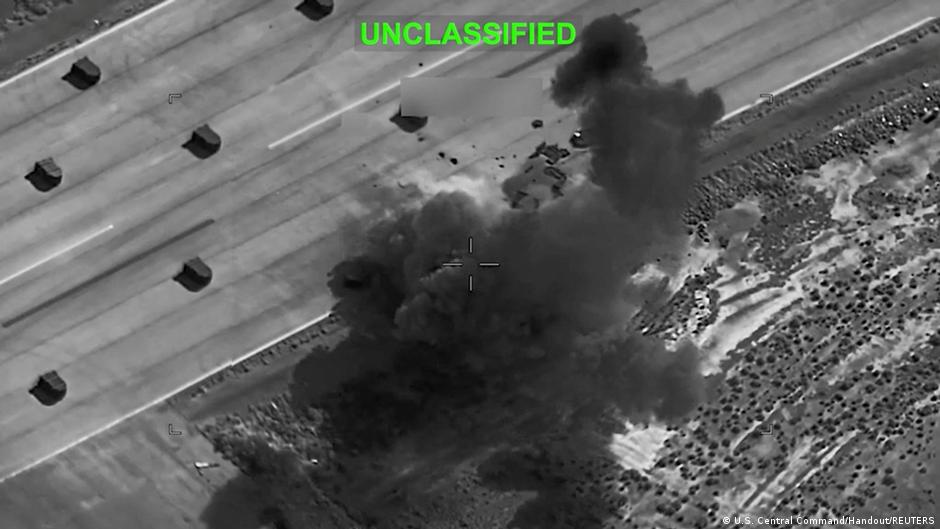
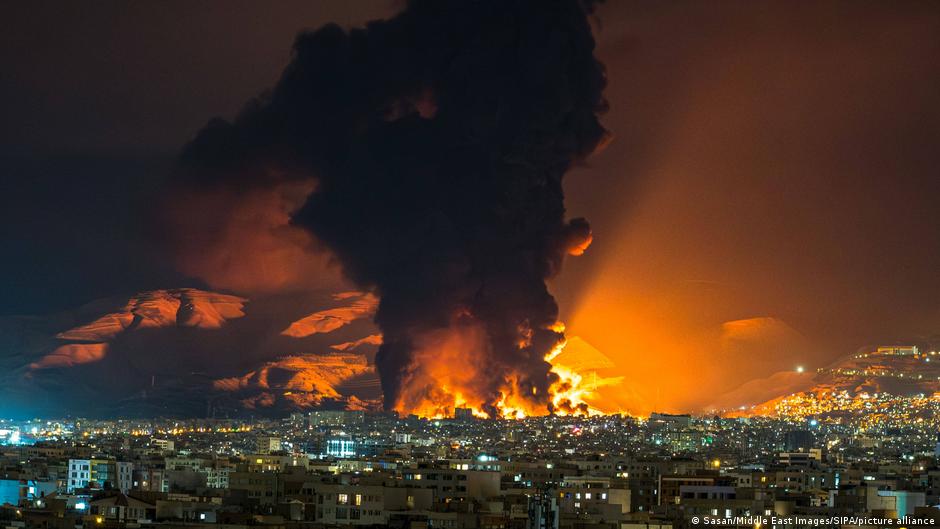
US military strikes against Iran continue for the tenth day, targeting strategic sites and affecting regional stability with potential impacts on tech startups and venture capital.

US military airstrikes in Iran continue for the ninth night, intensifying Middle East tensions with significant consequences for regional technology startups and venture capital.

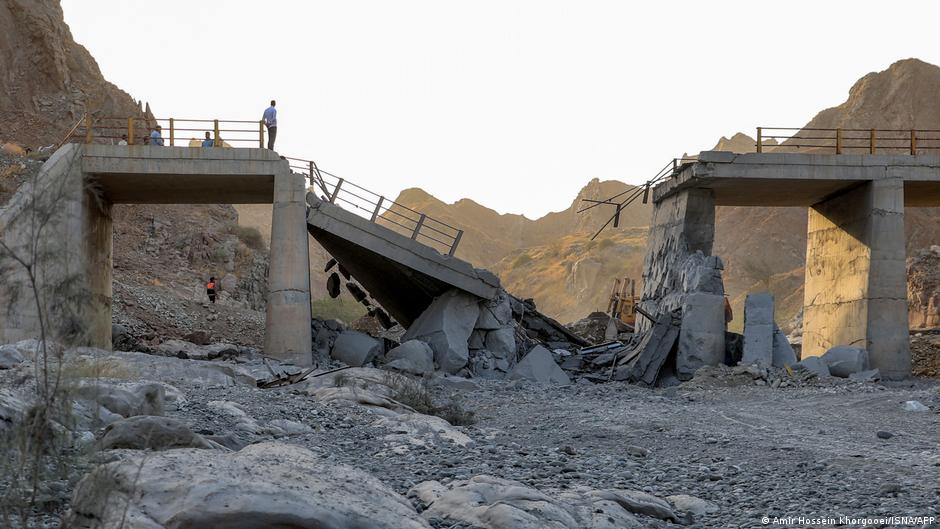
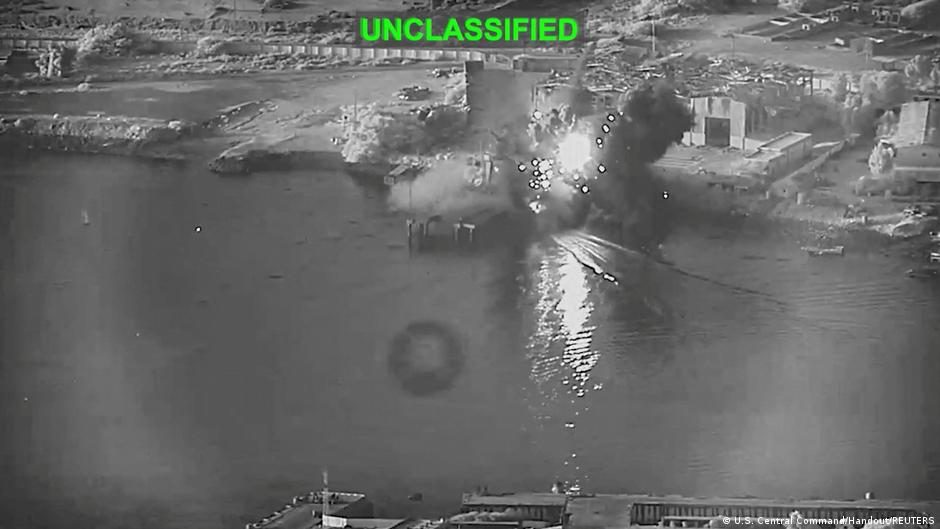
US military strikes in Iran targeting infrastructure raise regional instability concerns, affecting tech startups, venture capital investments, and innovation ecosystems.

The US is negotiating to restore the Iraq-Syria oil pipeline to bypass the Strait of Hormuz, aiming to reduce Iran's influence and open new opportunities in energy infrastructure and tech innovation.

US airstrikes on Iran following attacks in the Strait of Hormuz disrupt vital oil and tech supply routes, heightening risks for startups and venture capital in energy-linked sectors.

US military strikes against Iran escalate regional tensions, disrupting trade through the Ormuz Strait and impacting venture capital and startup ecosystems in the Middle East.

The US and Iran have agreed to a temporary ceasefire until June 30 ahead of talks in Qatar on reopening the Strait of Hormuz, a key route for global oil and regional stability.

US airstrikes on Iranian military sites escalate tensions after attacks on tankers in the Strait of Hormuz, affecting regional security and global energy markets.

US-Iran military strikes near the Strait of Hormuz disrupt shipping and risk destabilizing the Middle East’s growing tech startup ecosystem amid rising geopolitical tensions.

Russia’s maritime oil exports reached a 2026 peak despite US-Iran negotiations easing sanctions, intensifying competition and lowering global oil prices.
The US and Iran have established a communication channel to prevent incidents in the Strait of Hormuz, enhancing regional stability and potentially benefiting the tech and venture capital ecosystem.

The US-Iran peace deal will immediately reopen the Strait of Hormuz and lift port blockades, potentially boosting venture capital flows and startup growth in the Middle East.

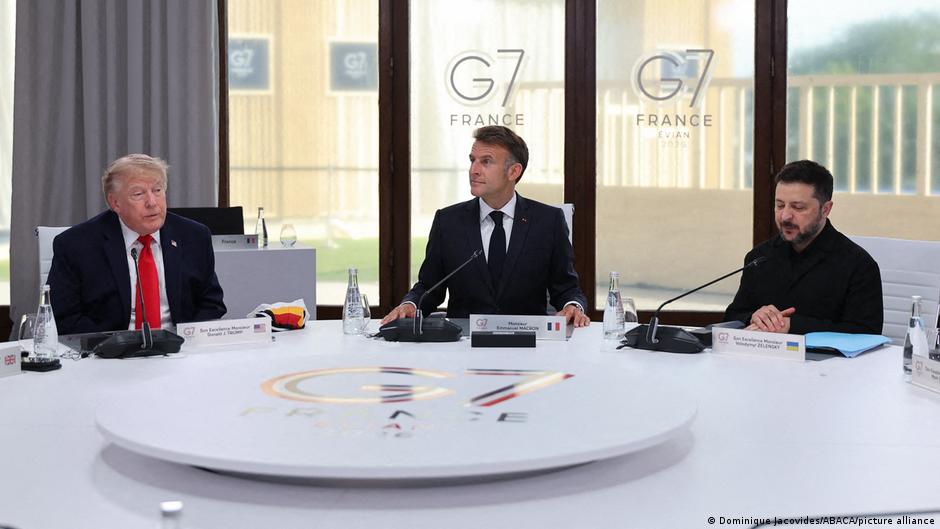
G7 nations vow intensified sanctions on Russia’s oil and gas sector and increased military aid to Ukraine, impacting global energy markets and defense tech innovation.

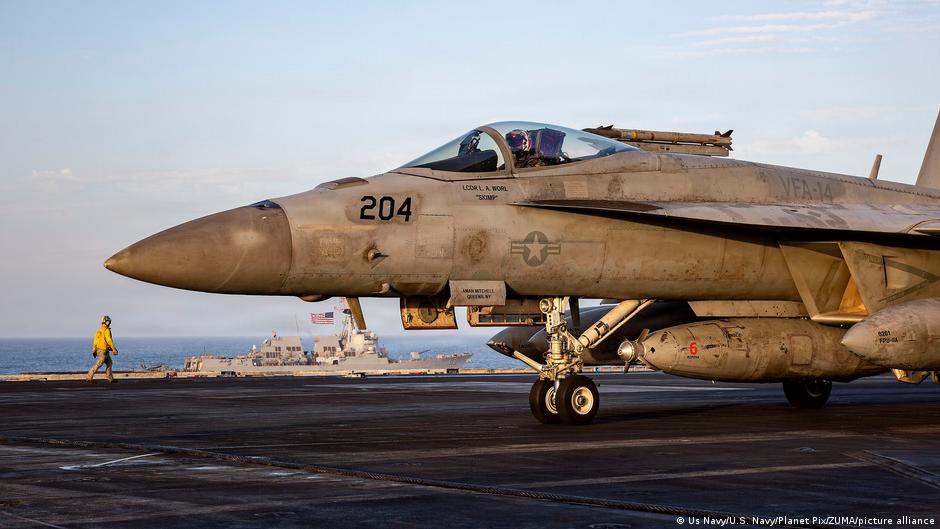
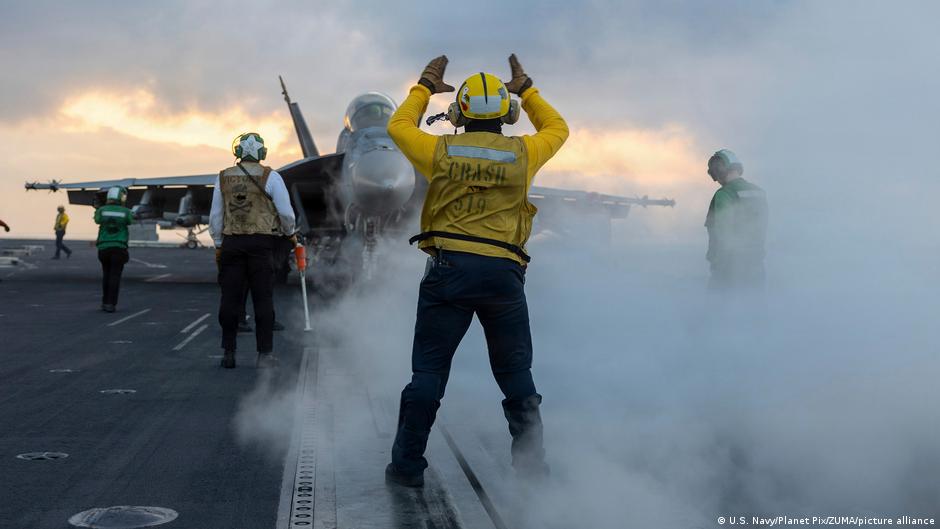
US forces intercepted four Iranian kamikaze drones threatening maritime shipping in the Strait of Hormuz, striking radar stations and escalating regional tensions.

The US has covertly helped around 70 commercial ships navigate the Iran-blocked Strait of Hormuz, affecting maritime trade and regional security amid ongoing tensions.

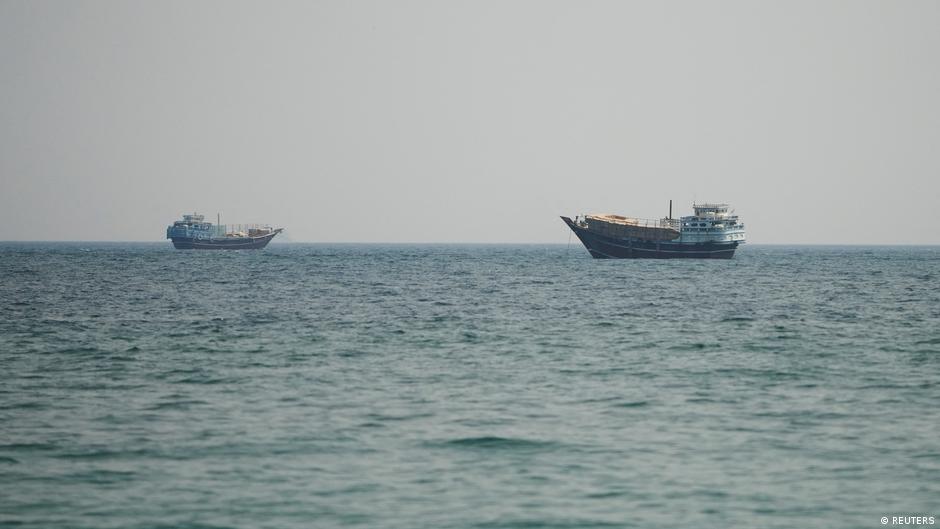
US forces disabled a ship heading to Iran amid the Strait of Hormuz blockade, highlighting geopolitical risks impacting tech startups and venture capital in the Gulf region.

The UK issues an unlimited license to import diesel and jet fuel refined from Russian oil in third countries, impacting energy supply, startup costs, and the venture landscape.

The US has ended its short-term easing of sanctions on Russian oil exports, affecting global energy markets and raising implications for tech startups and VC funding in energy innovation.

China’s renewed interest in U.S. oil and soybean imports signals shifting trade dynamics with potential impacts on energy and agri-tech startups and the venture capital landscape.

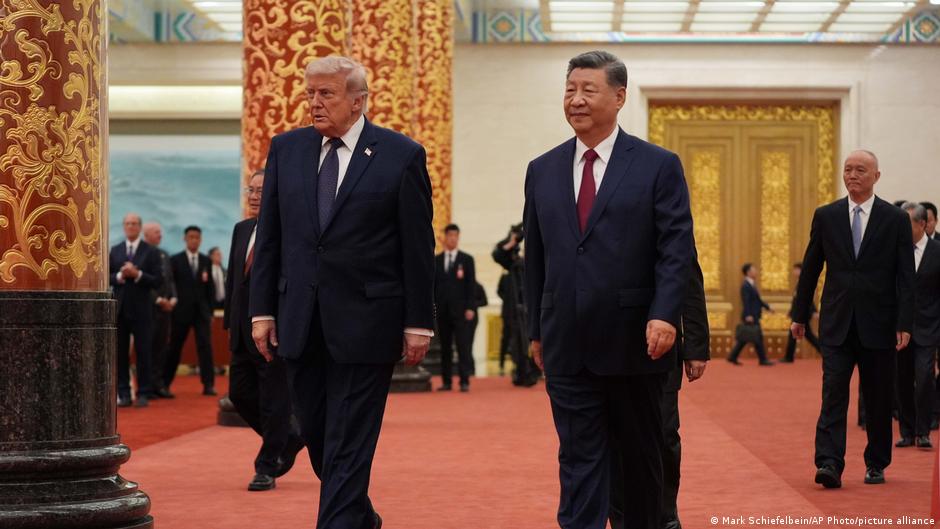
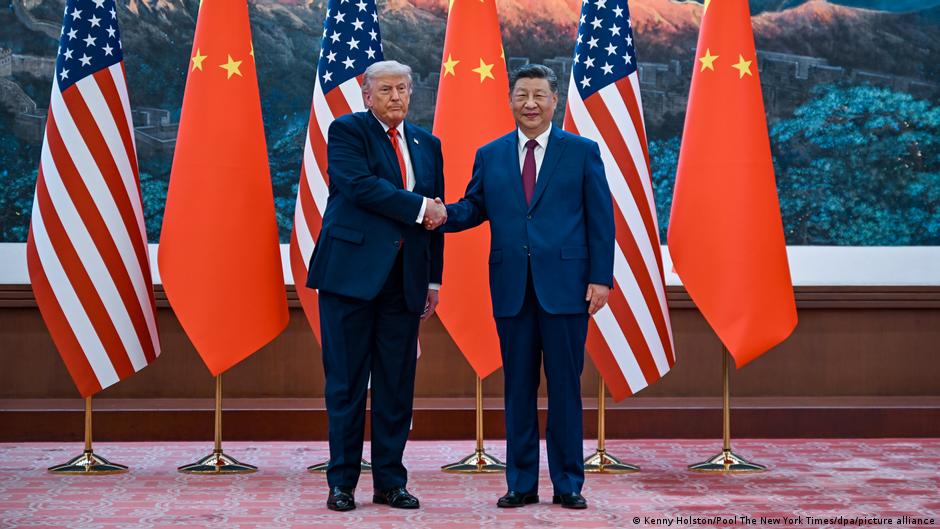
Trump’s Beijing visit with Xi Jinping signals potential cooperation on trade and rare earths, impacting tech startups and venture capital across US-China relations.

Global oil reserves dropped by a record 200 million barrels in April amid Middle East conflicts, signaling supply risks and new opportunities for energy tech startups and investors.

Iran’s missile and drone attacks on the UAE mark a regional escalation that threatens the stability vital for tech startups, VC funding, and innovation in the Gulf.

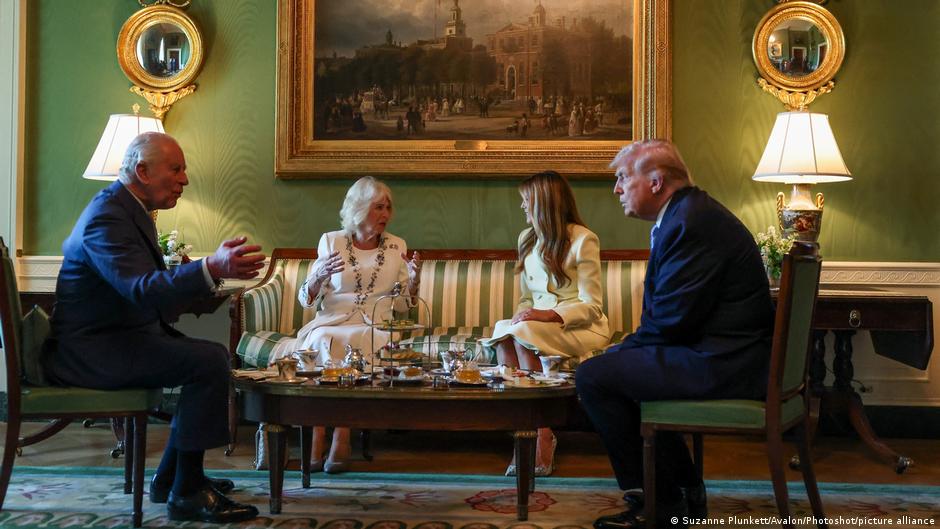
King Charles III’s US visit seeks to repair strained UK-US ties amid Middle East conflicts, with significant implications for venture capital and tech startup collaboration.

The US Treasury will not renew exemptions allowing purchase of Russian and Iranian oil products at sea, tightening sanctions with consequences for energy markets and startups.

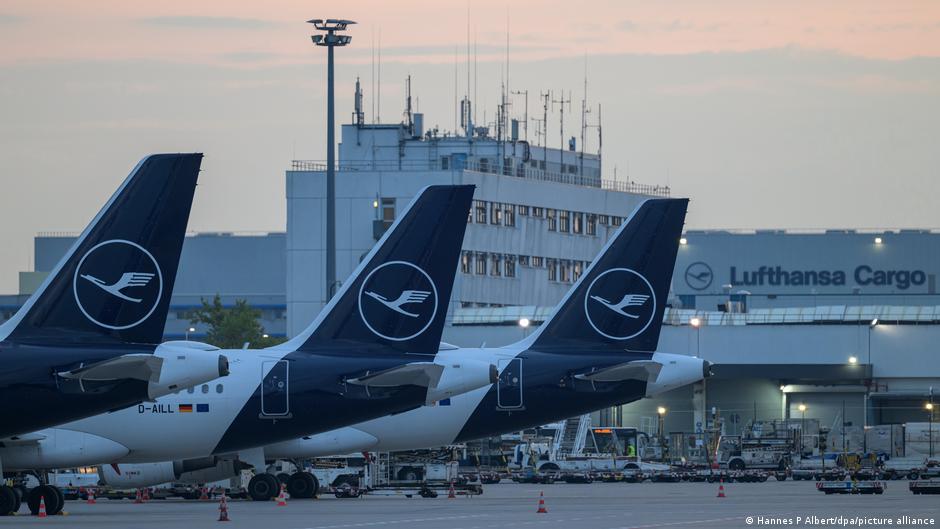
Lufthansa plans to cancel 20,000 flights to save over 40,000 tons of fuel amid an energy crisis, impacting aviation startups and fueling innovation opportunities in sustainable technologies.

The US has extended its suspension of sanctions on Russian oil exports until May 16, affecting global energy markets and creating new dynamics for energy-related startups and investors.

US President Trump rejects NATO assistance in the Strait of Hormuz, while European allies prepare a multinational maritime security mission amid regional tensions.

Russia's Deputy Foreign Minister says the UN proposal to monitor the Strait of Hormuz lacks support from key parties and its future is uncertain.