Business
U.S. Strike on Gulf Vessel Raises New Risk for Startup Supply Chains
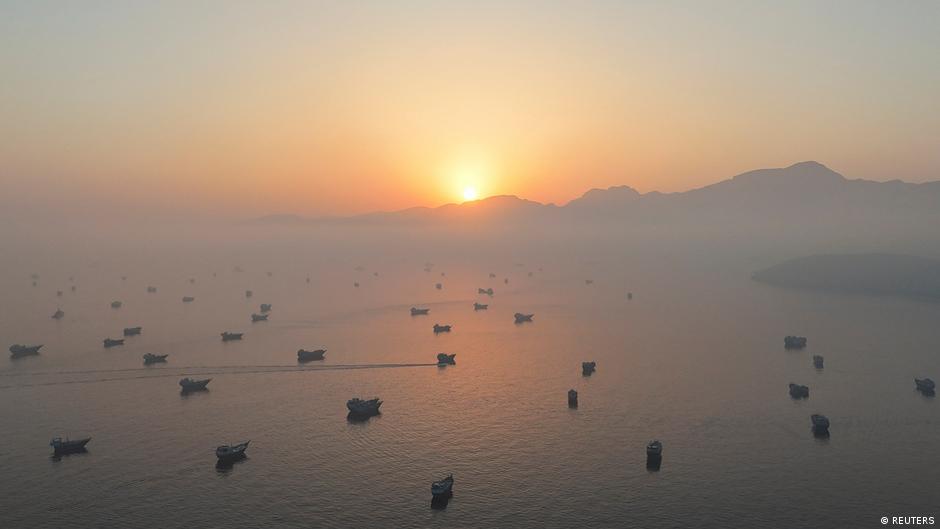
A U.S. strike disabling a Gulf of Oman cargo ship adds new pressure on startup supply chains, energy costs and venture risk models.
Editorial Team · Oct 11, 2026
A U.S. strike disabling a Gulf of Oman cargo ship adds new pressure on startup supply chains, energy costs and venture risk models.
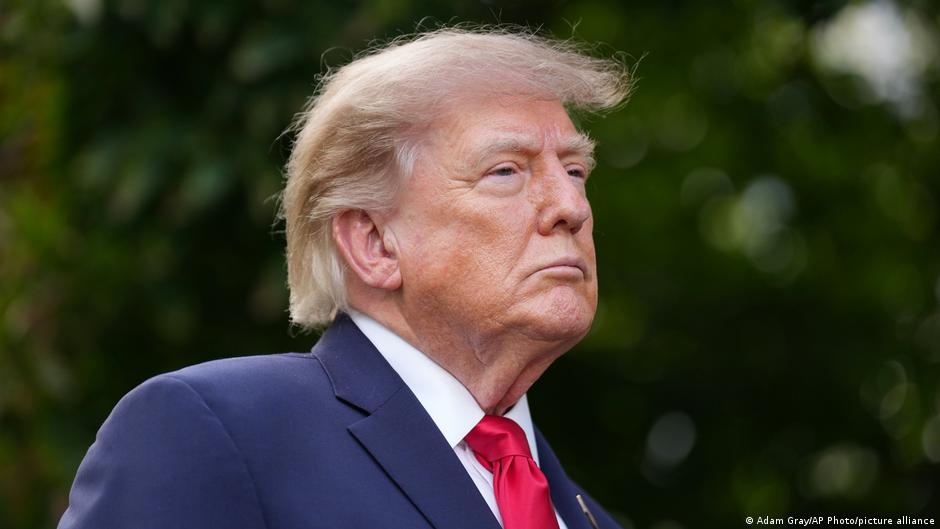
Trump expects new Iran talks as the Hormuz crisis adds geopolitical risk for startups, venture funding and tech supply chains.
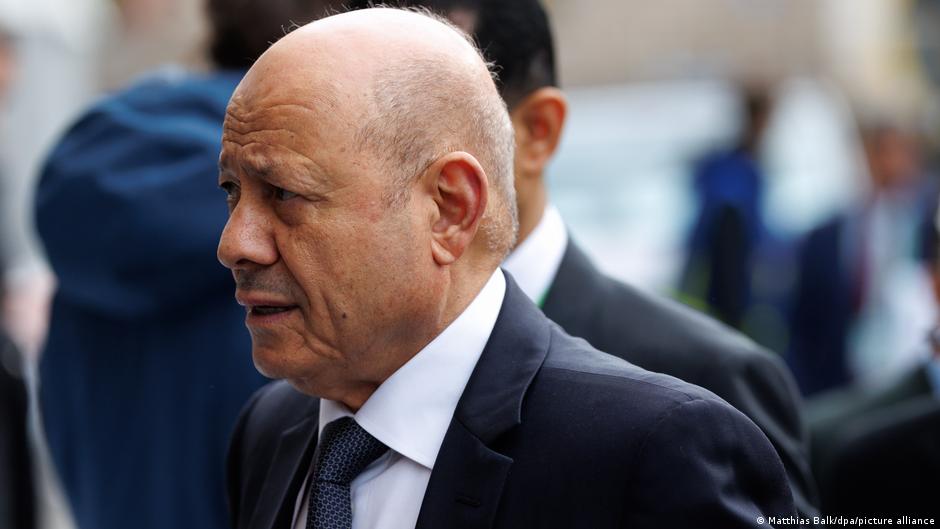
Yemen’s mobilization call and Houthi gains near key waterways add pressure to Gulf trade, energy prices and regional startup investment.
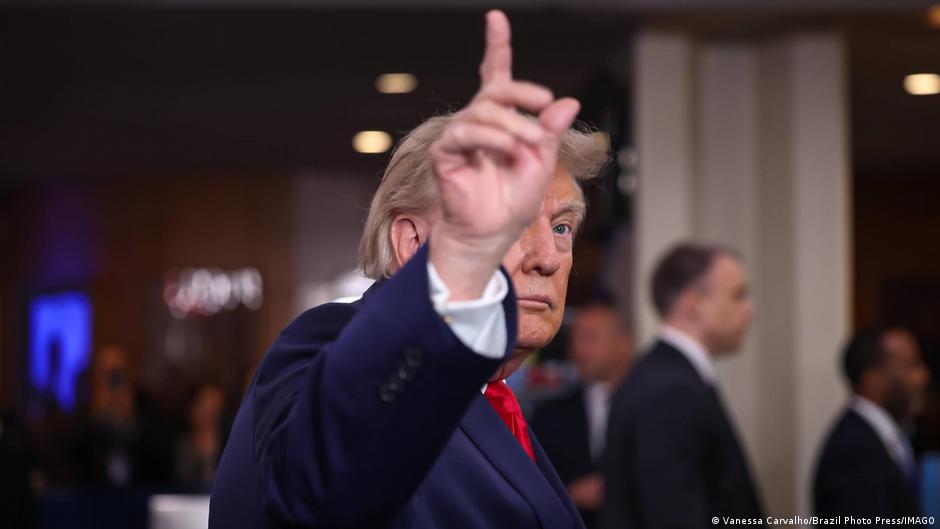
US-Iran talks at the UN may reshape risk assumptions for startups, VC firms and tech acquirers exposed to sanctions, energy and shipping volatility.
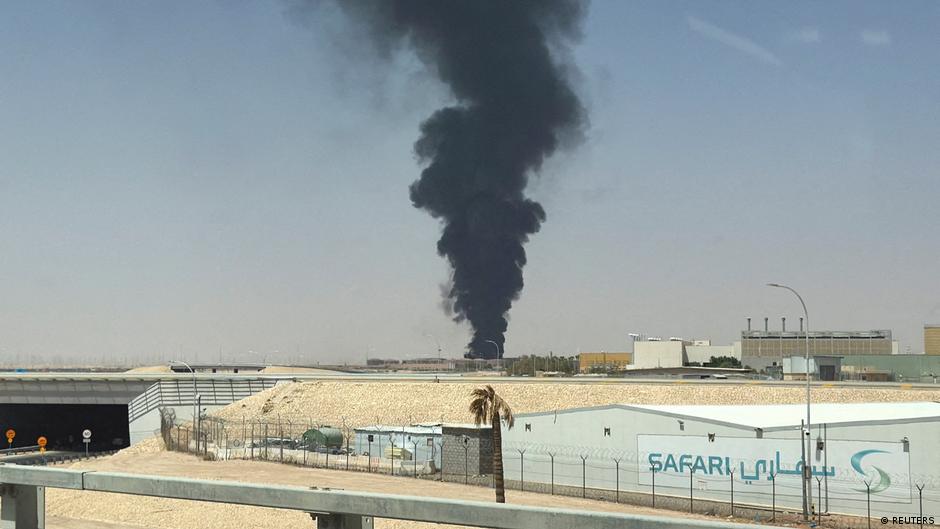
Saudi Arabia said it intercepted a Houthi ballistic missile aimed at Riyadh, adding security risk for Gulf startups, VCs and energy-linked tech.
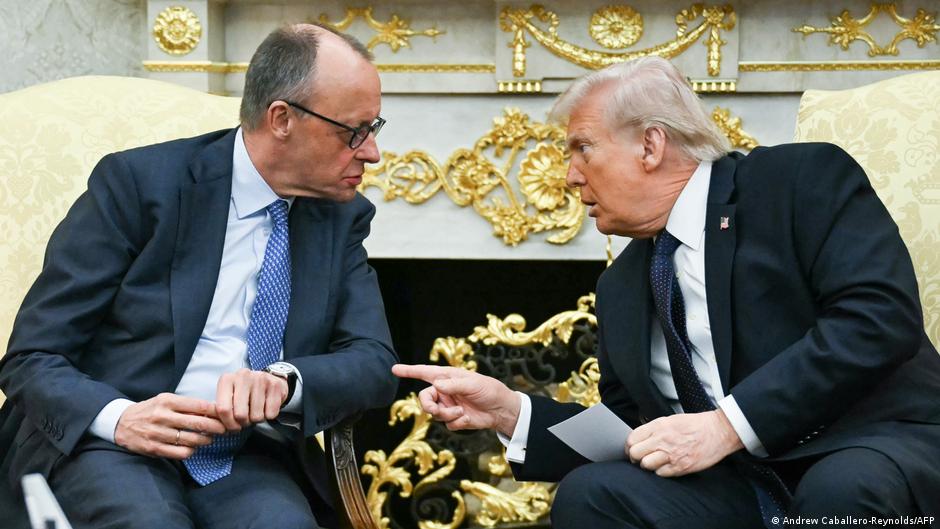
Merz’s warning on transatlantic ties highlights new geopolitical risks and opportunities for Germany’s startup and VC ecosystem.
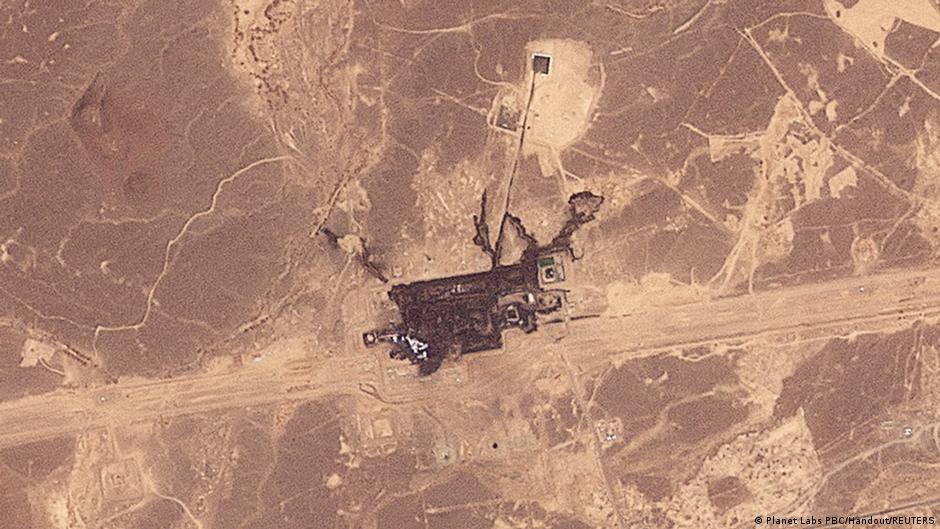
A Saudi pipeline outage could cut global oil supply by 4%, affecting energy prices, startup costs, VC sentiment and infrastructure-tech demand.
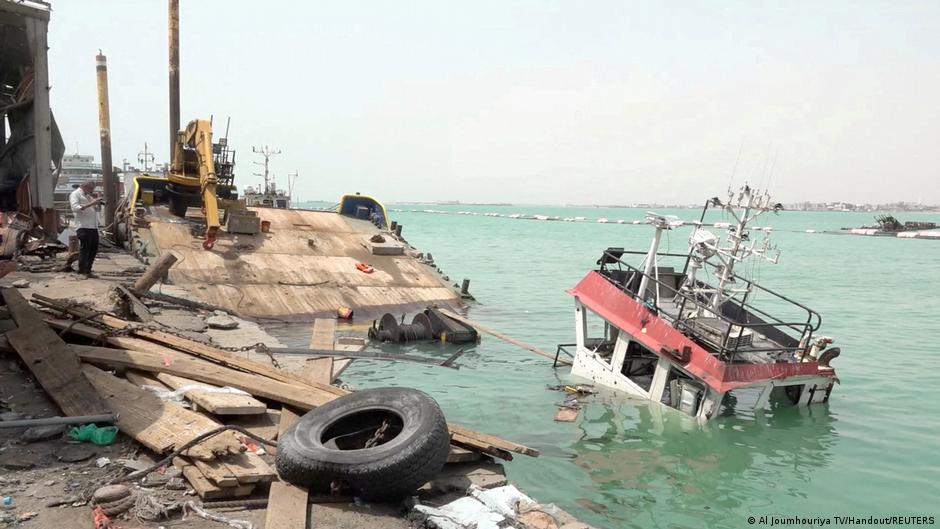
Houthi control near Bab el-Mandeb could raise oil and shipping risks, pressuring startups exposed to energy costs and global supply chains.
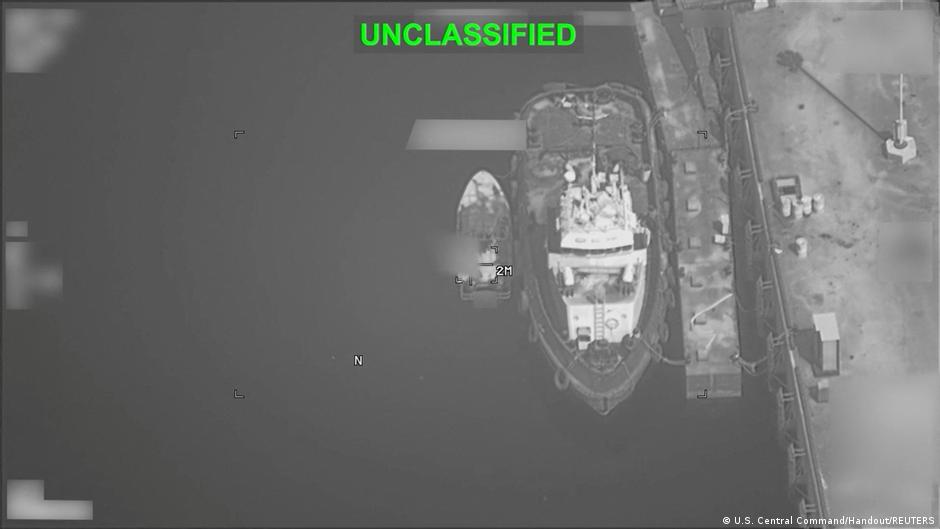
CENTCOM said it destroyed five Iranian tankers after missile attacks, raising energy, logistics and defense-tech risks for startups and VCs.
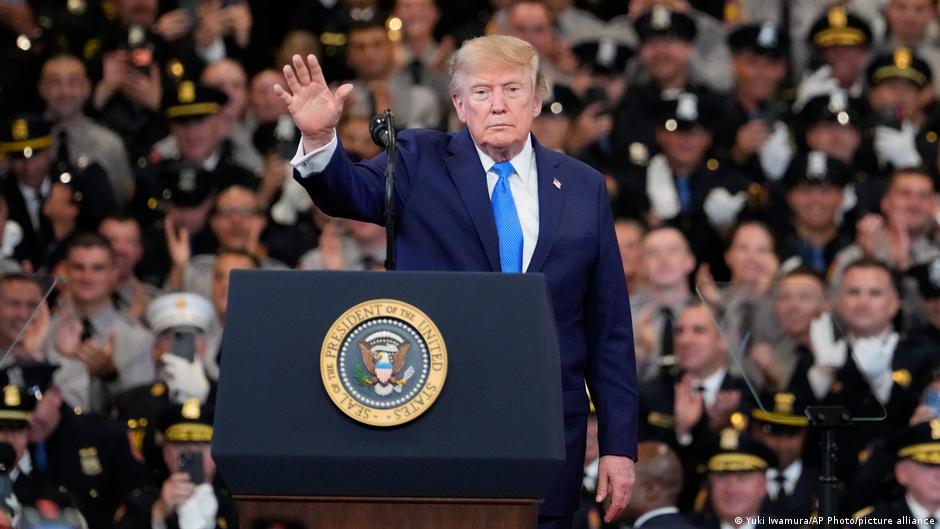
US-Iran tensions and Oman's strategic role threaten Gulf stability, potentially impacting venture capital and the growth of tech startups in the Middle East.
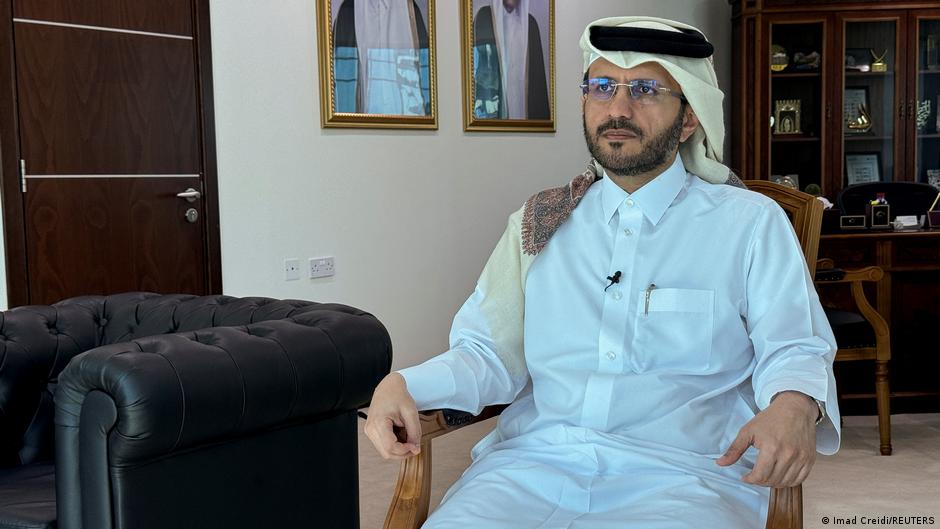
Qatar denies detaining Iranian pilots after airspace violations, stressing compliance with international law amid ongoing Middle East diplomatic efforts.
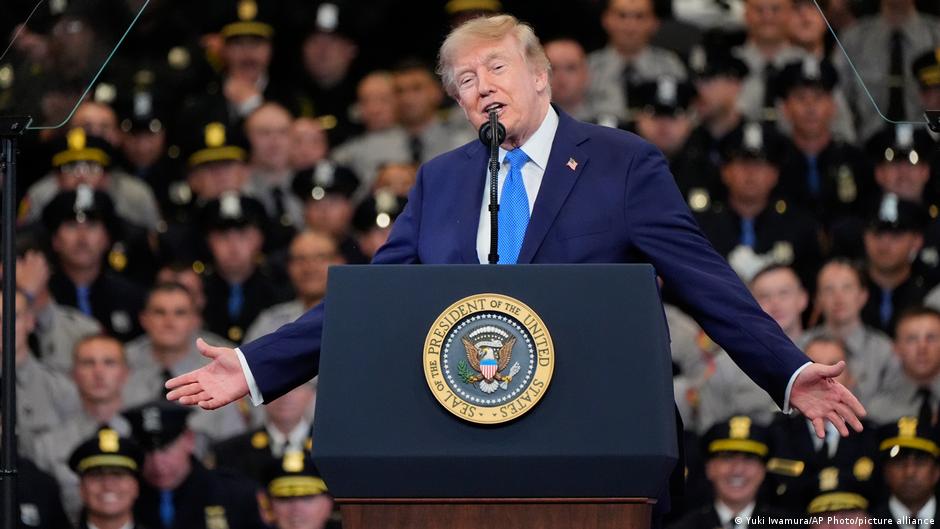
US President Trump's plan to claim the Strait of Hormuz as American territory risks heightened military tensions and impacts startups and VC investment in energy and logistics sectors.
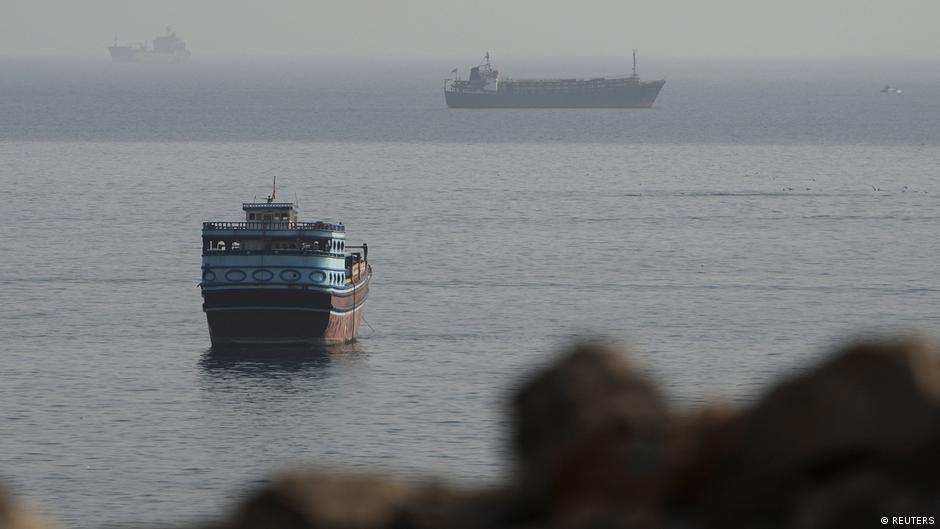
US forces struck a Panama-flagged cargo ship attempting to breach Iran's blockade in the Strait of Hormuz, amplifying regional tensions and impacting tech sector investment risks.
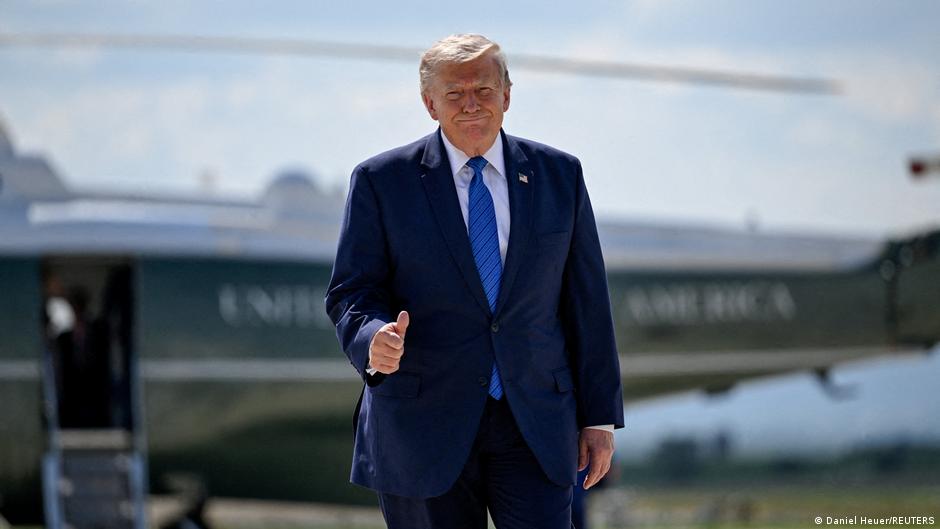
New US-Iran talks starting August 3 may ease regional tensions, potentially boosting venture capital flows and innovation in Middle Eastern tech startups.
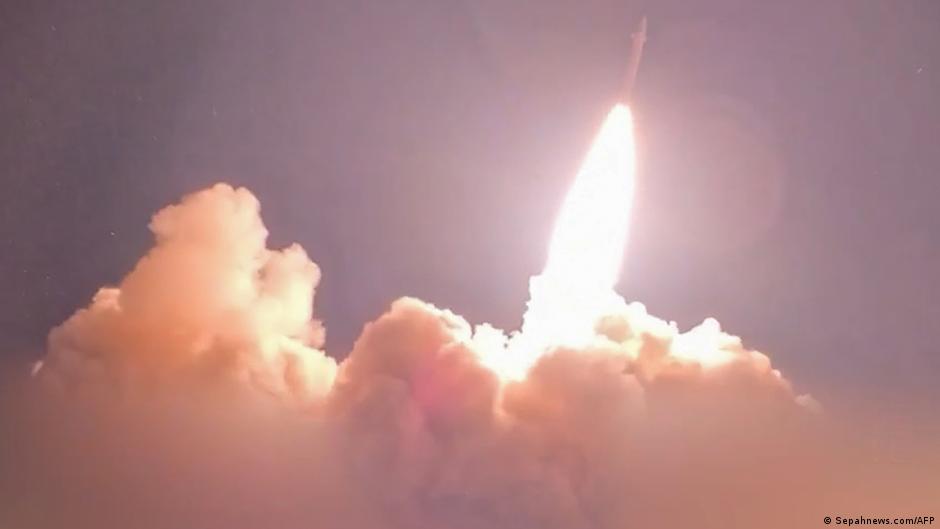
US forces intercepted ballistic missiles launched by Iran targeting Middle East bases, heightening regional tensions with potential impacts on tech startups and venture capital.

Iran's IRGC mined an oil tanker in the Strait of Hormuz, escalating maritime tensions and impacting global energy logistics and maritime security technology ventures.
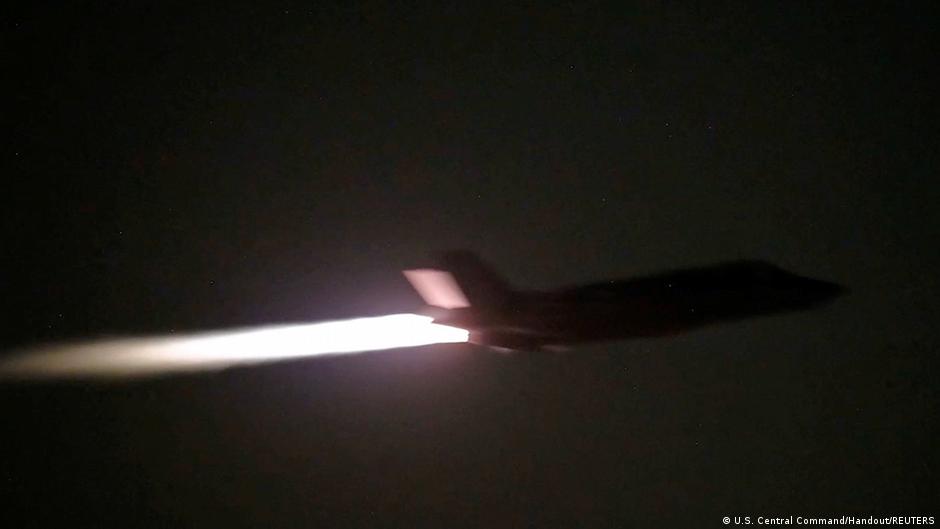
The US military has conducted 11 consecutive nights of strikes against Iran, escalating Middle East tensions and impacting critical maritime trade routes and regional security.
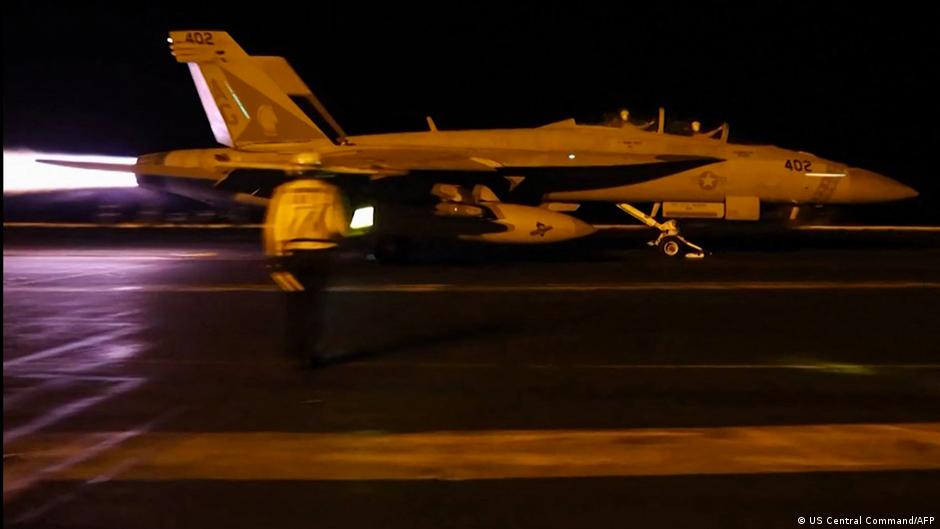
US military strikes against Iran continue for the tenth day, targeting strategic sites and affecting regional stability with potential impacts on tech startups and venture capital.
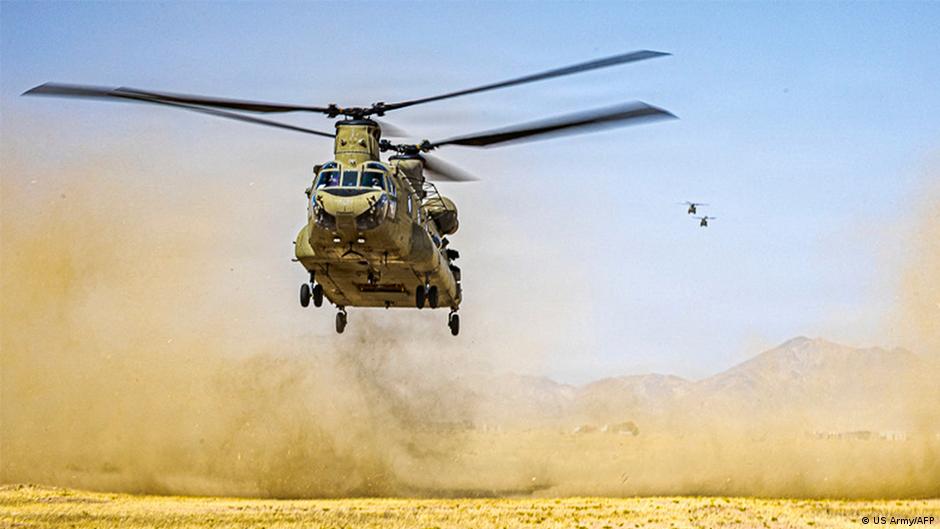
US military deaths in the Iran conflict reach 17 amid escalating regional tensions and strategic military deployments, influencing the defense technology and innovation landscape.
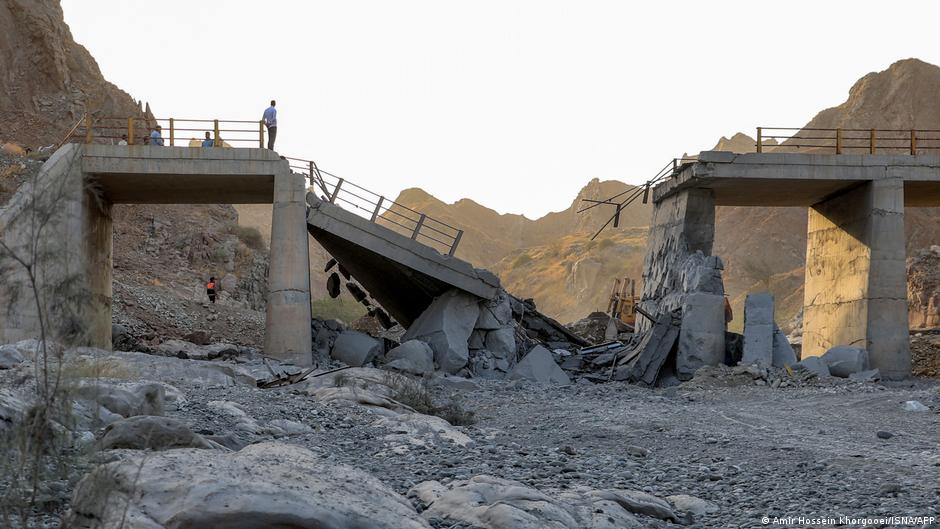
US military airstrikes in Iran continue for the ninth night, intensifying Middle East tensions with significant consequences for regional technology startups and venture capital.
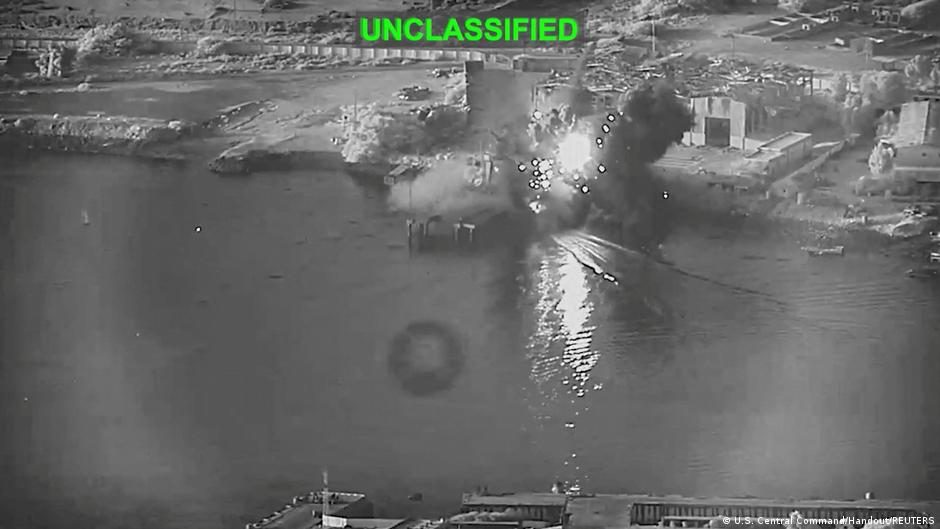
US military strikes in Iran targeting infrastructure raise regional instability concerns, affecting tech startups, venture capital investments, and innovation ecosystems.
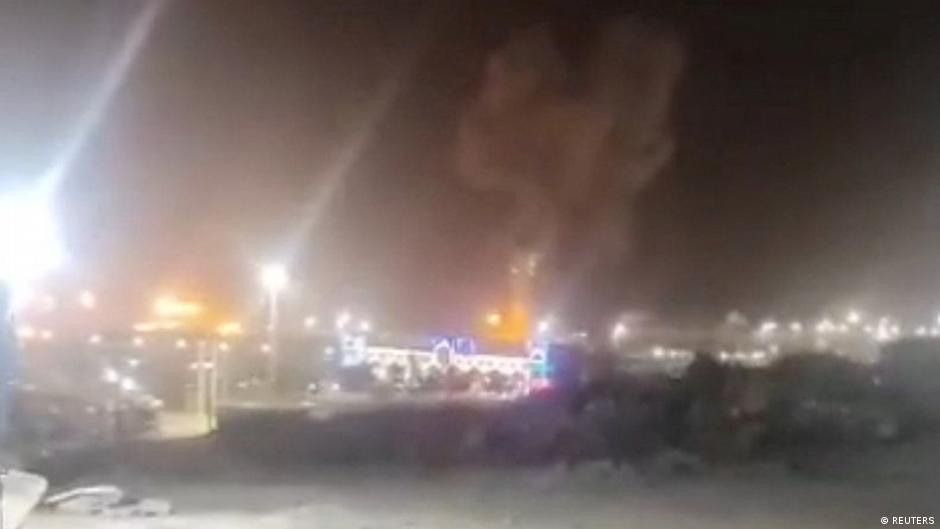
US military strikes on Iranian targets and subsequent retaliations raise concerns about regional instability affecting Middle East tech startups and venture capital flows.
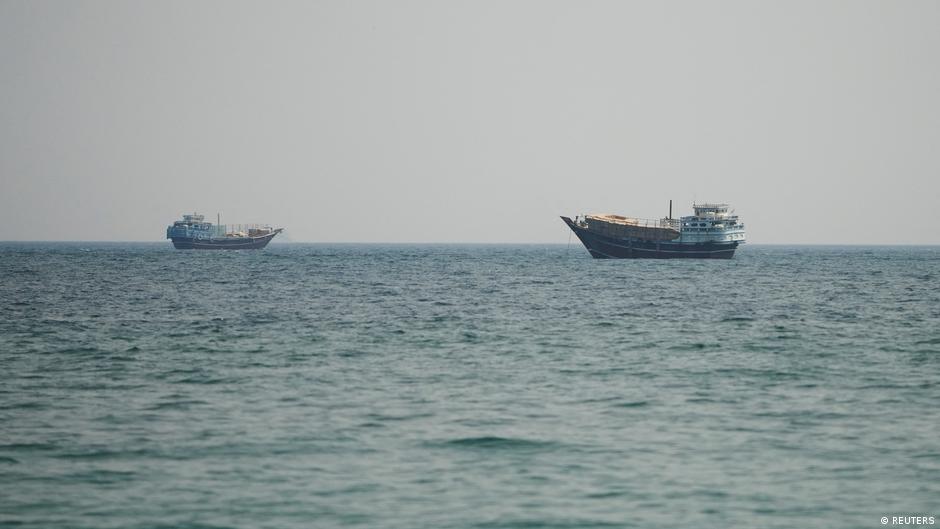
The US is negotiating to restore the Iraq-Syria oil pipeline to bypass the Strait of Hormuz, aiming to reduce Iran's influence and open new opportunities in energy infrastructure and tech innovation.
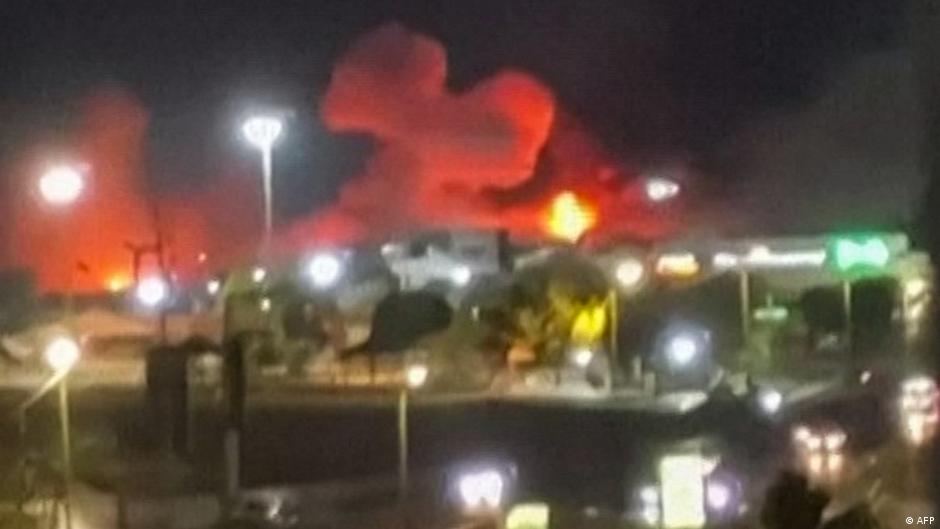
US military strikes near the Strait of Hormuz escalate tensions with Iran, impacting regional stability and posing risks to the Gulf’s tech and startup ecosystems.
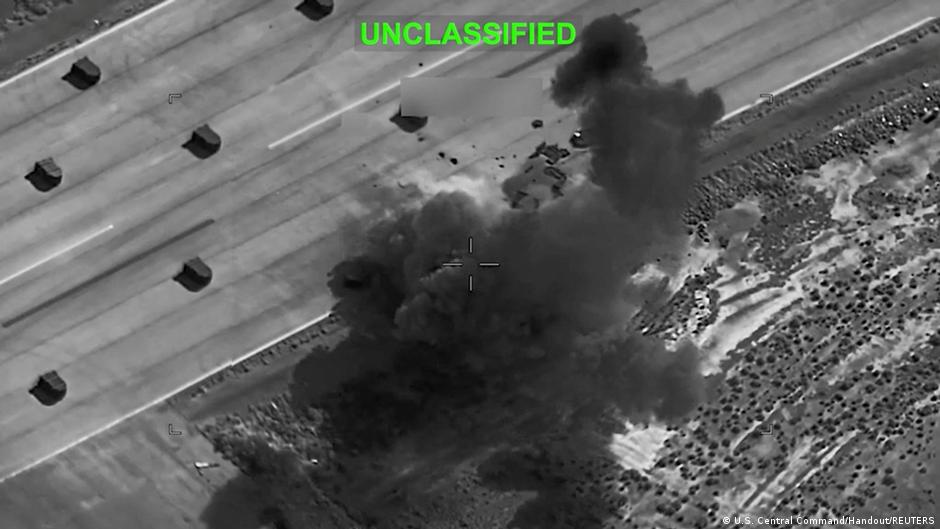
US airstrikes on Iran following attacks in the Strait of Hormuz disrupt vital oil and tech supply routes, heightening risks for startups and venture capital in energy-linked sectors.

The death of Iran’s Supreme Leader Ali Khamenei introduces geopolitical uncertainty impacting Middle Eastern tech startups, venture capital, and regional innovation dynamics.
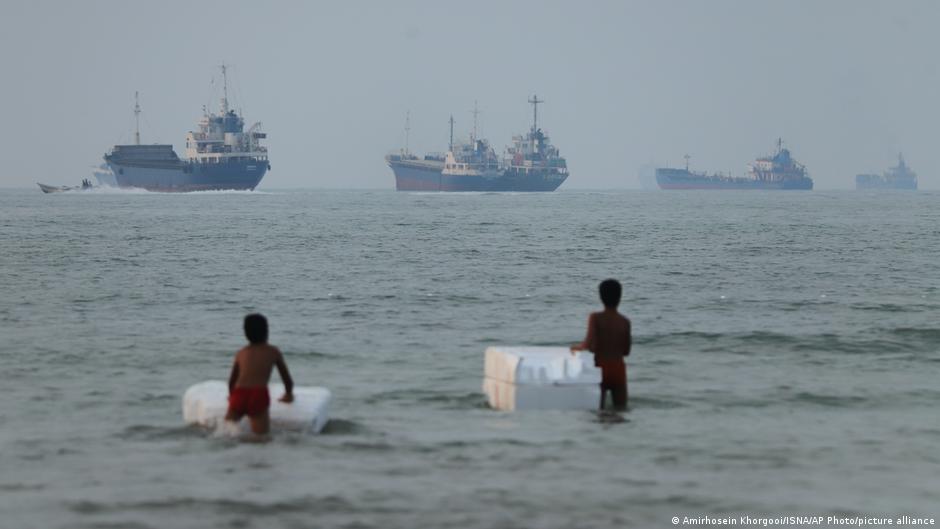
US military strikes on Iran and renewed sanctions risk disrupting critical Middle East trade routes, impacting tech startups' supply chains and investor confidence.
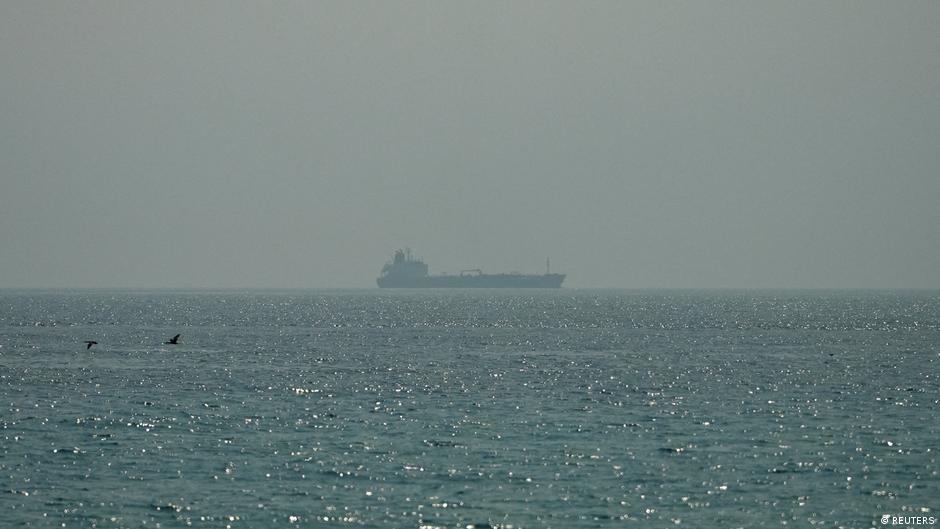
The US and Iran have agreed to a temporary ceasefire until June 30 ahead of talks in Qatar on reopening the Strait of Hormuz, a key route for global oil and regional stability.
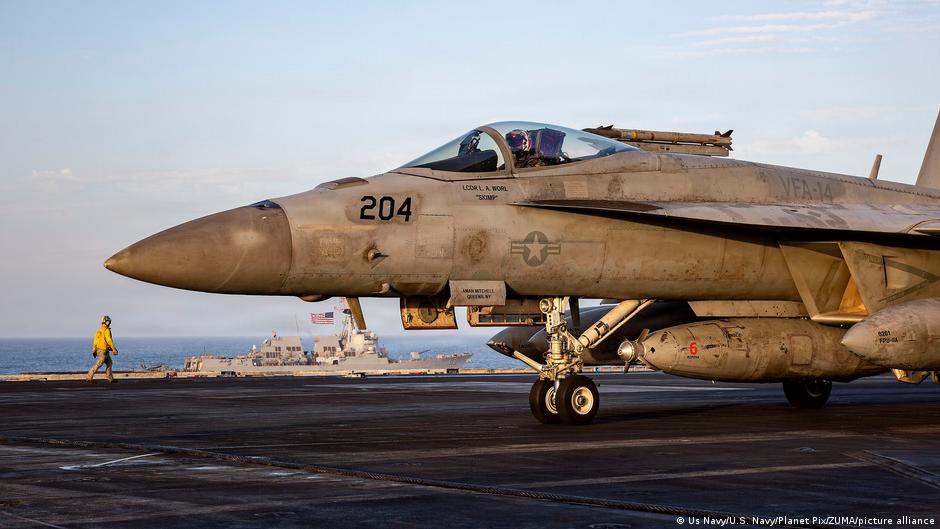
US airstrikes on Iranian military sites escalate tensions after attacks on tankers in the Strait of Hormuz, affecting regional security and global energy markets.
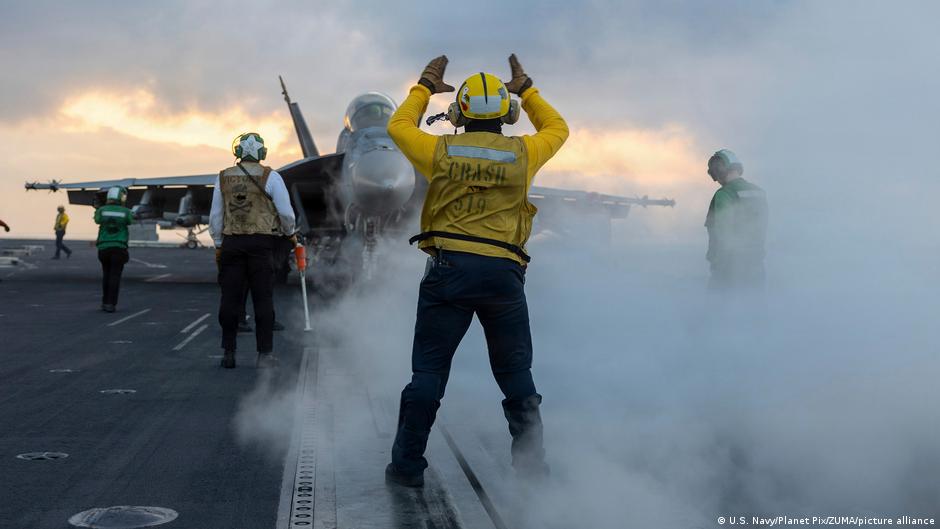
US-Iran military strikes near the Strait of Hormuz disrupt shipping and risk destabilizing the Middle East’s growing tech startup ecosystem amid rising geopolitical tensions.
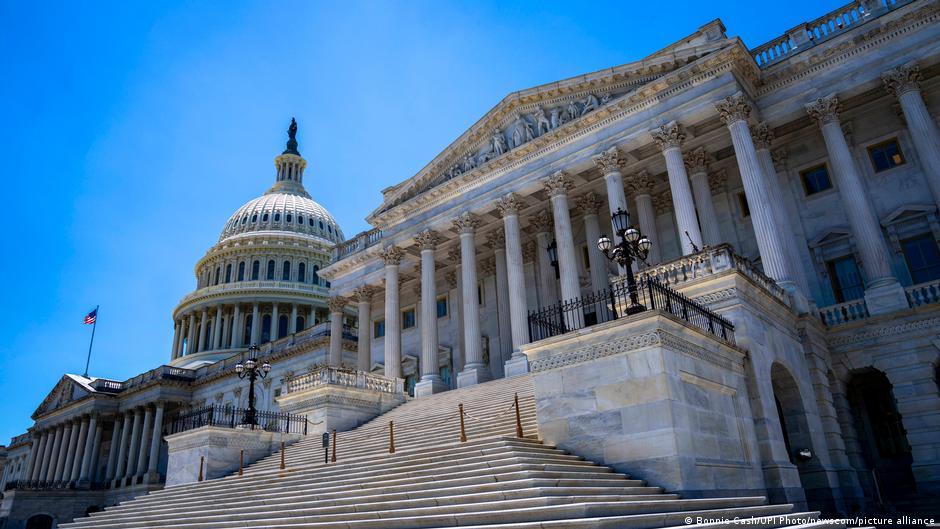
The US Senate's vote to end military engagement with Iran signals potential geopolitical stability, impacting venture capital flows and opportunities for tech startups in affected sectors.
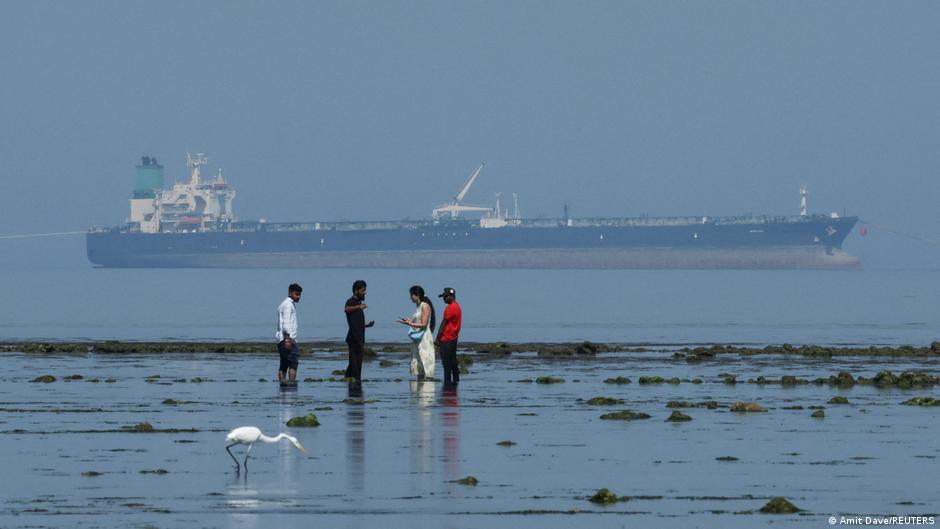
Russia’s maritime oil exports reached a 2026 peak despite US-Iran negotiations easing sanctions, intensifying competition and lowering global oil prices.

The US and Iran have established a communication channel to prevent incidents in the Strait of Hormuz, enhancing regional stability and potentially benefiting the tech and venture capital ecosystem.
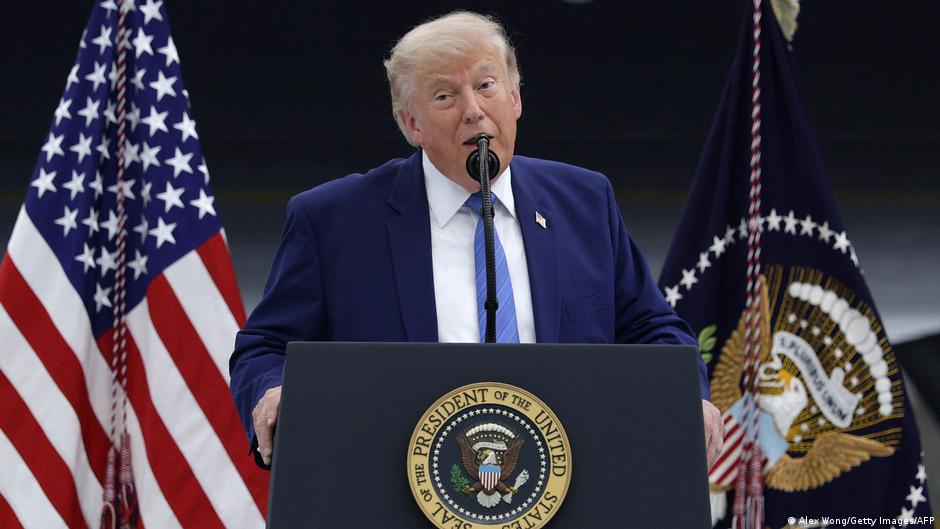
The US warns of imposing fees for Strait of Hormuz transit if Iran deal fails, posing risks for Middle East trade routes and tech startup supply chains.
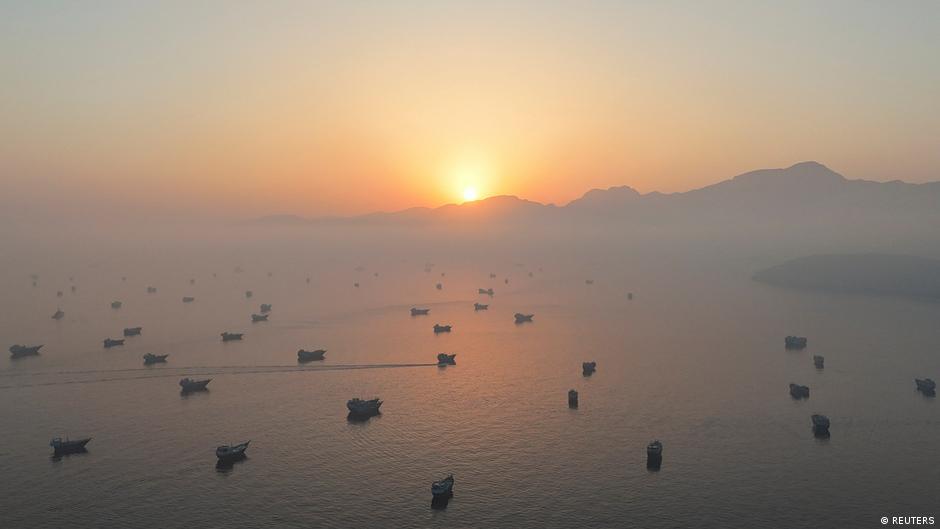
The US has ended its blockade of the Strait of Hormuz, initiating negotiations with Iran that open pathways for energy supply stability and renewed venture capital opportunities in the Middle East.
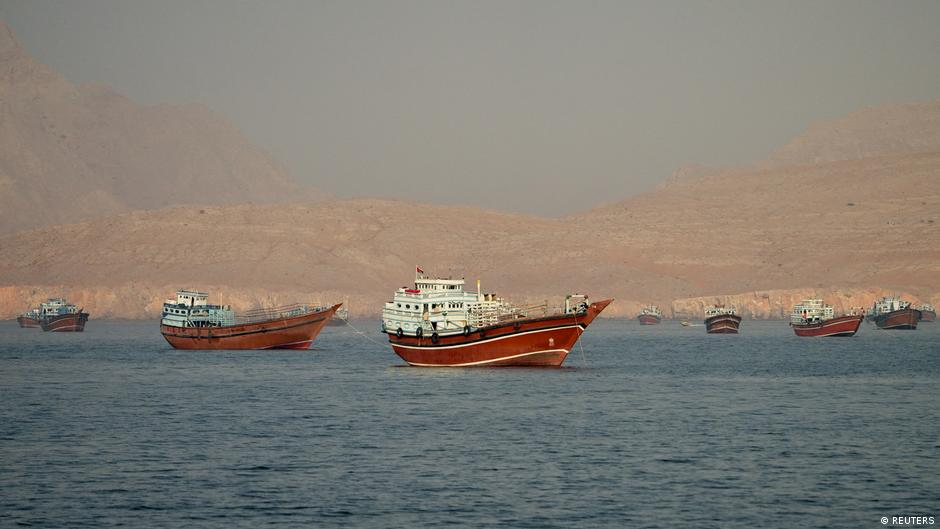
The US-Iran peace deal will immediately reopen the Strait of Hormuz and lift port blockades, potentially boosting venture capital flows and startup growth in the Middle East.
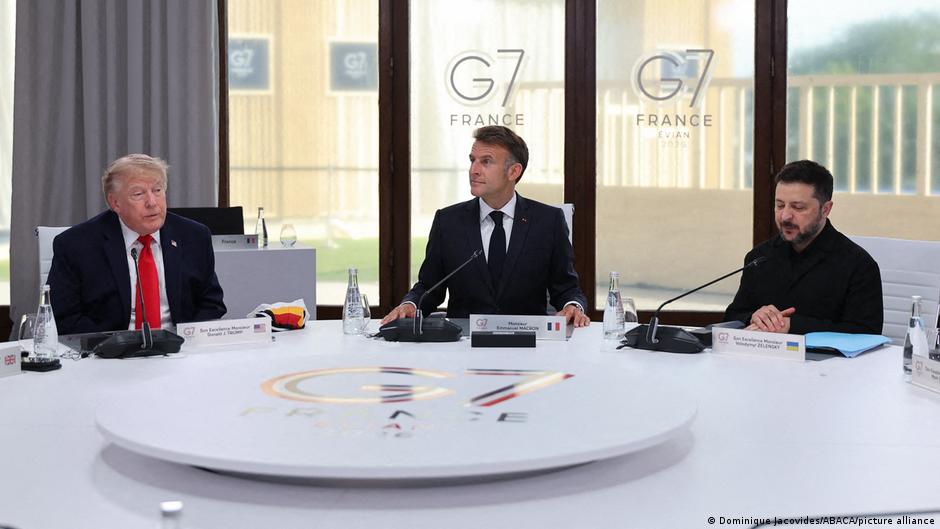
G7 nations vow intensified sanctions on Russia’s oil and gas sector and increased military aid to Ukraine, impacting global energy markets and defense tech innovation.

European leaders welcome US-Iran deal as a step toward regional stability, highlighting its potential to stabilize markets and benefit global tech and innovation sectors.

The UAE reportedly agreed to unfreeze tens of billions in Iranian oil assets to reduce attacks, potentially boosting regional tech investment and startup ecosystems.
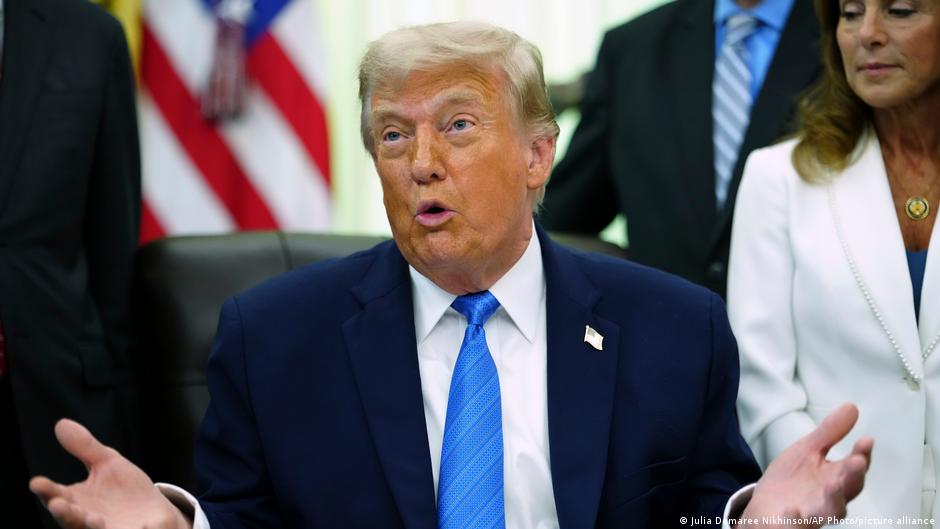
Trump’s cancellation of Iran strikes and progress toward a nuclear deal may stabilize the Middle East, boosting tech startups, venture capital, and regional innovation.
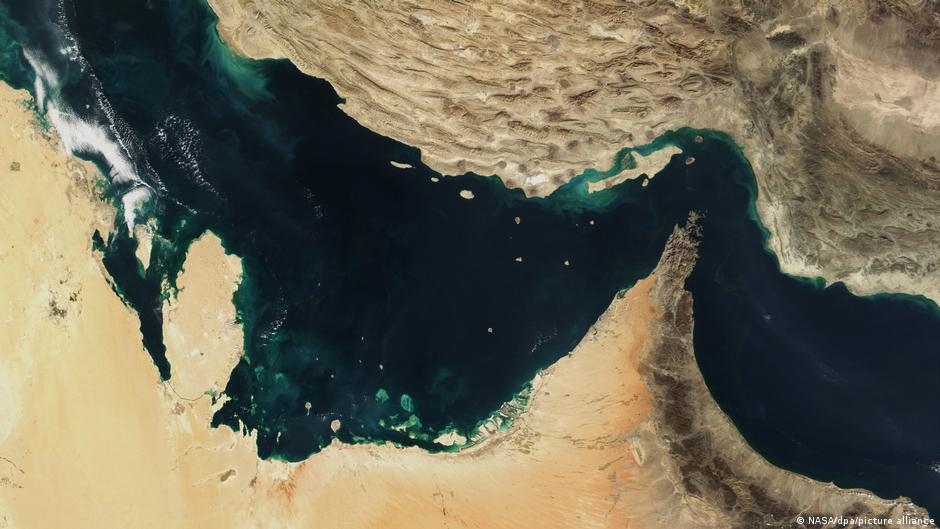
Renewed US-Iran military actions and the closure of the Strait of Hormuz threaten regional stability and could impact venture capital and innovation in Middle East tech startups.
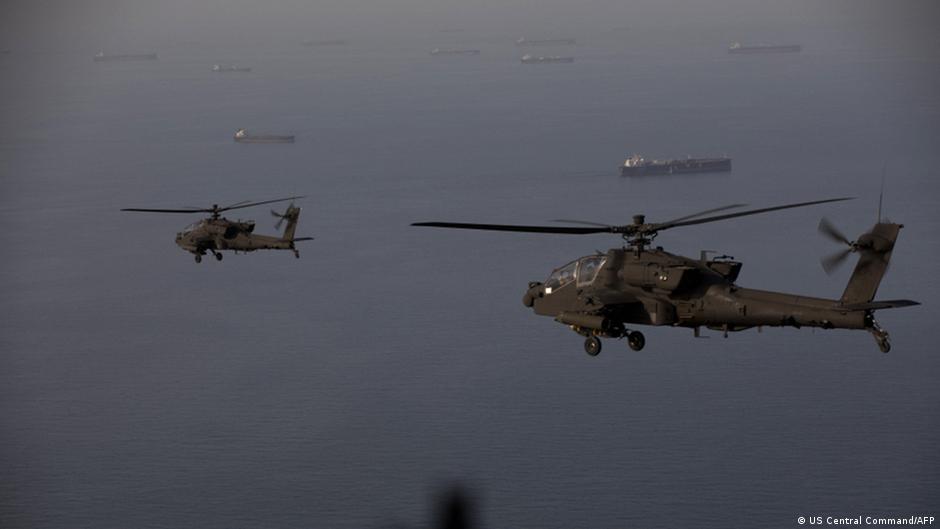
The renewed US-Iran conflict following the Apache helicopter downing raises risks for tech startups and venture capital investments in the Middle East region.

US forces intercepted four Iranian kamikaze drones threatening maritime shipping in the Strait of Hormuz, striking radar stations and escalating regional tensions.
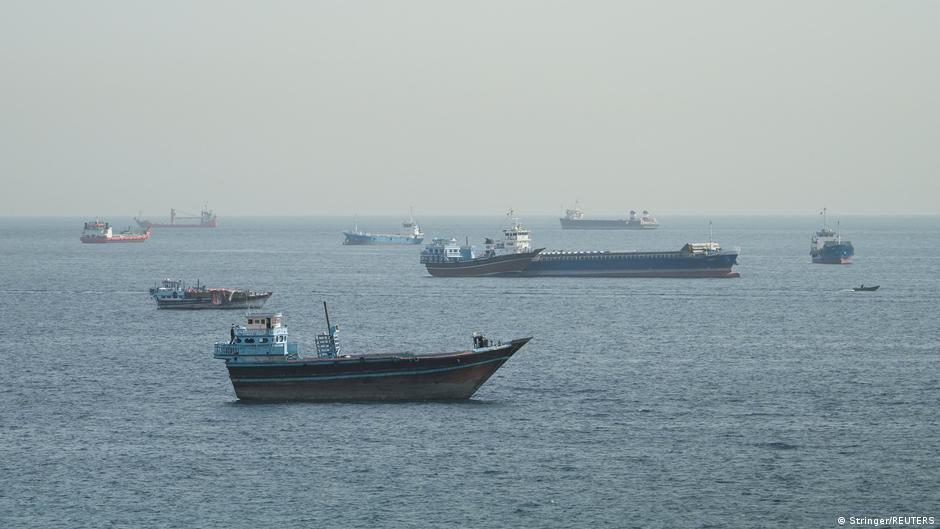
The US has covertly helped around 70 commercial ships navigate the Iran-blocked Strait of Hormuz, affecting maritime trade and regional security amid ongoing tensions.
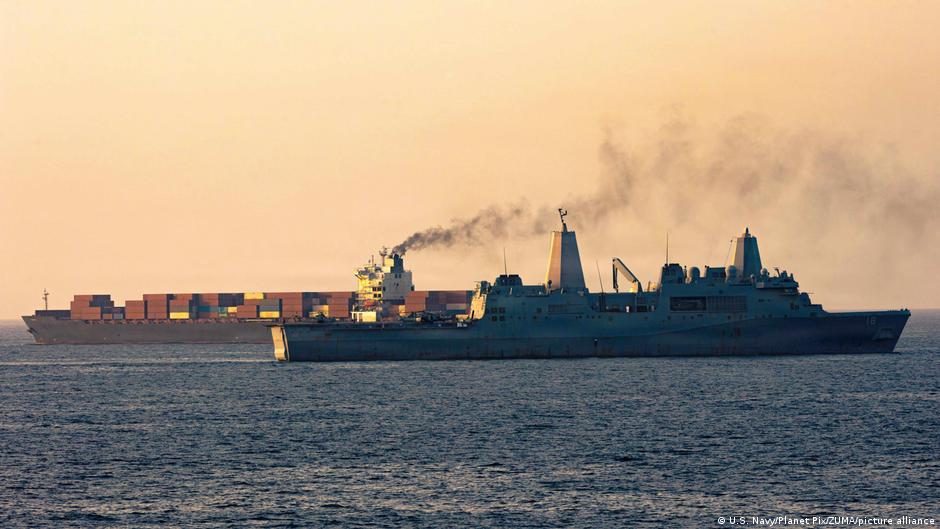
US forces disabled a ship heading to Iran amid the Strait of Hormuz blockade, highlighting geopolitical risks impacting tech startups and venture capital in the Gulf region.
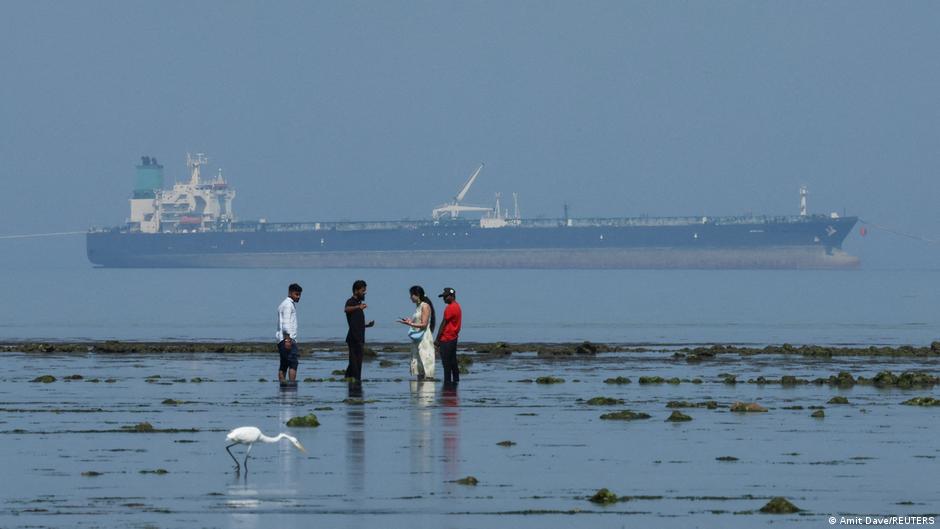
The UK issues an unlimited license to import diesel and jet fuel refined from Russian oil in third countries, impacting energy supply, startup costs, and the venture landscape.
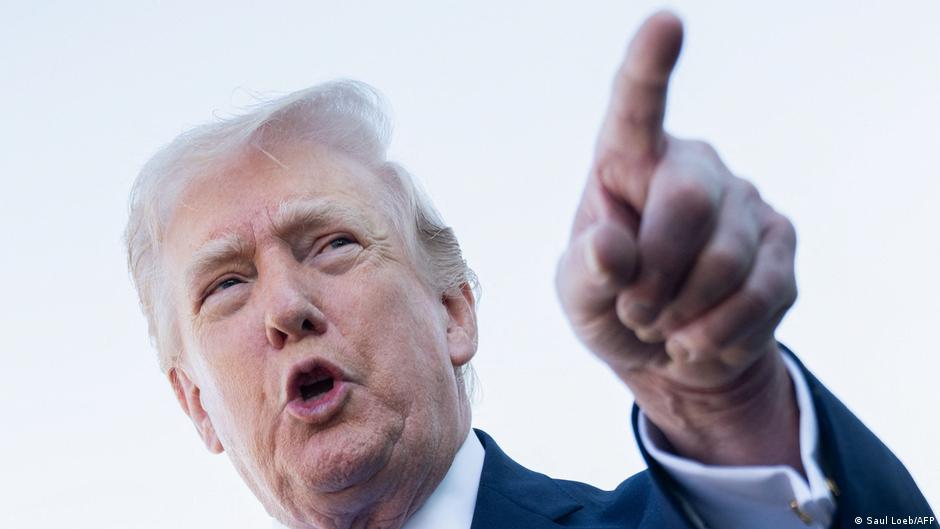
US President Trump postpones a planned military strike on Iran following intervention by Gulf leaders, with ongoing negotiations aiming for a nuclear agreement impacting regional stability and tech investment.
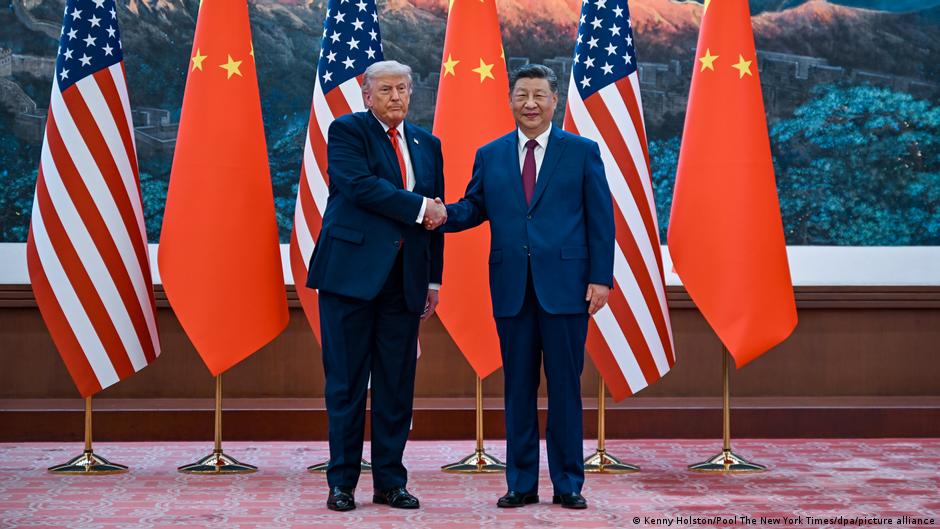
Trump’s Beijing visit with Xi Jinping signals potential cooperation on trade and rare earths, impacting tech startups and venture capital across US-China relations.
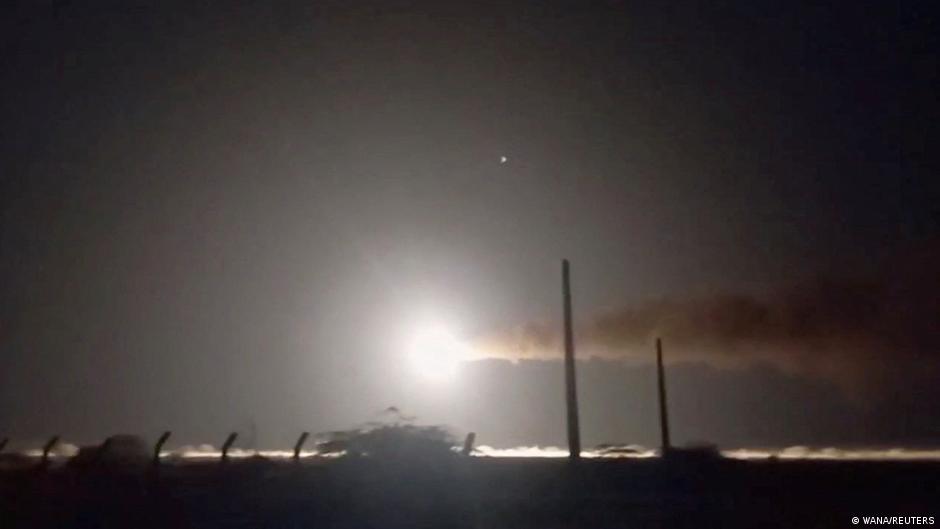
US intelligence reports reveal Iran retains about 70% of its missile arsenal, challenging prior US claims and impacting defense supply chains and tech innovation.
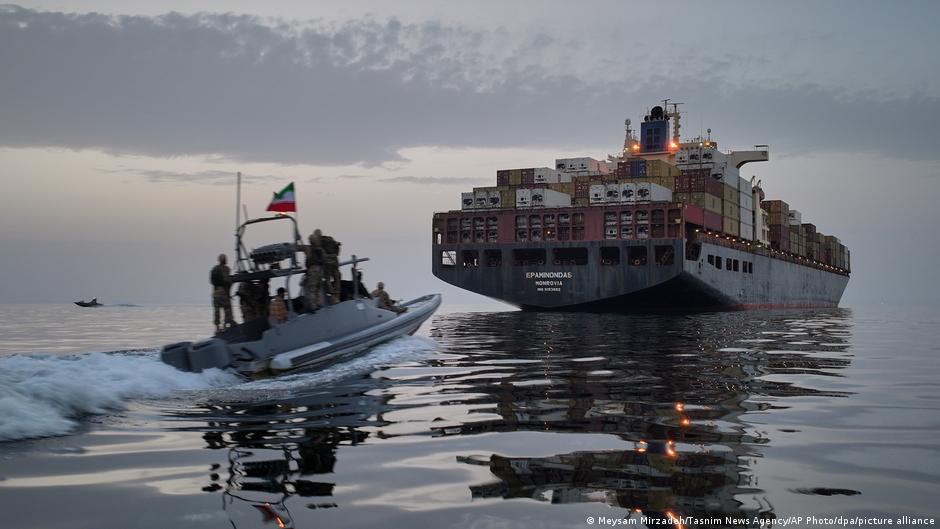
Iran mandates detailed vessel data for Strait of Hormuz transit, impacting maritime tech startups and VC investments amid rising US-Iran tensions.